
Table of Contents
This is a collaborative post.
Integrated waste disposal is a new concept for managing waste more efficiently and ecologically. It tackles issues affecting the natural environment and incorporates technology and sustainable practices. In this blog, let’s discuss the major areas to focus on to attain smart waste disposal for a cleaner world.
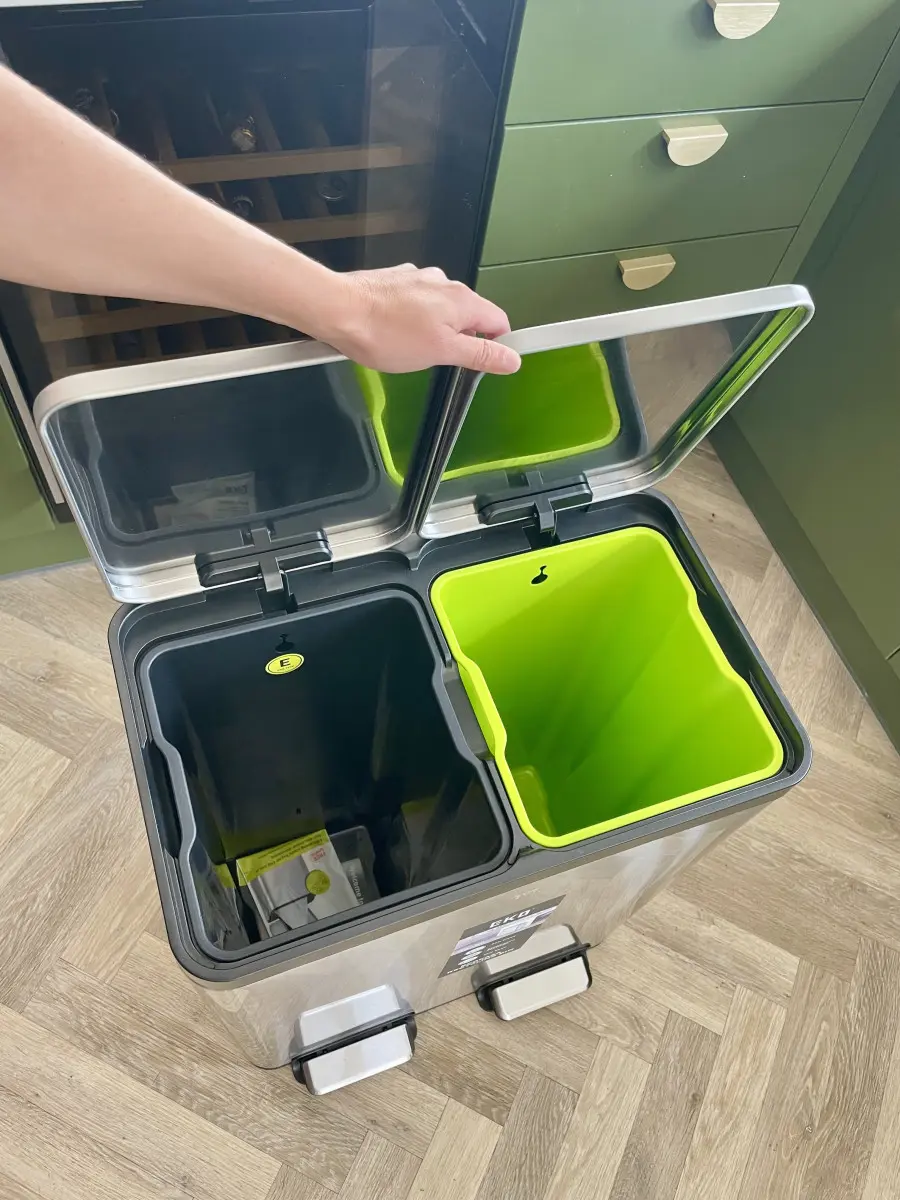
What is Smart Waste Disposal?
Integral waste management focuses on using technology and data to address waste issues in disposal, collection, and management. This approach seeks to reduce waste and costs and have a desirable effect on the environment. Now, let’s discuss the fundamental segments that determine the efficiency of smart waste disposal.
Technology Integration
It is a system that uses advanced technology, such as sensors and IoT devices. These tools track waste quantities, ensuring that they are collected before they become full.
Data-Driven Decisions
Analytics is a prominent factor in waste management. By studying waste profiles, municipalities can improve the efficiency of waste collection operations and minimize costs.
Sustainable Practices
Sustainable practices are implemented to avoid the generation of waste into the environment or to reuse or recycle waste produced. These practices assist in saving resources and alleviate the burden placed on several landfills.
Source Reduction of Wastes
Another key to proper waste disposal lies in the prevention of waste generation at source. But, if one can prevent it from arising, then a lot of waste will have been prevented in the first place. Here is a list of major methods of source reduction:
Promote Minimal Packaging
It also reduces waste because one can convince manufacturers to reduce the amount of packaging they use. It can be done by using smaller packages or environmentally friendly materials.
Encourage Reusable Products
Carrying reusable items, such as bags, containers, and utensils, helps reduce the use of single-use items and reduces the total amount of waste generated in the industrial process.
Educate the Public
Mass campaigns can develop consciousness regarding waste minimization. If people learn how to minimize waste, then communities can become more sustainable.
Use of Technology in Waste Disposal
Technology acts critically in enhancing the smart disposal of waste. With new technologies in place, some of the ways we can approach waste collection and disposal are enhanced. Here is an attempt to unravel the ways technology is revolutionizing waste management.
Smart Bins
Smart bins have sensors that notify waste disposal services when they are full. It minimizes the need for collection, and fuel is not wasted.
Automated Sorting
Automatic waste sorting is more efficient than manual sorting. A robot can better identify recyclable waste from the rest, increasing recycling rates.
Route Optimization
GPS and big data can help navigate and plan waste collection routes. It can save time and fuel, minimizing carbon dioxide emissions.

Improving Practices in Recycling and Composting
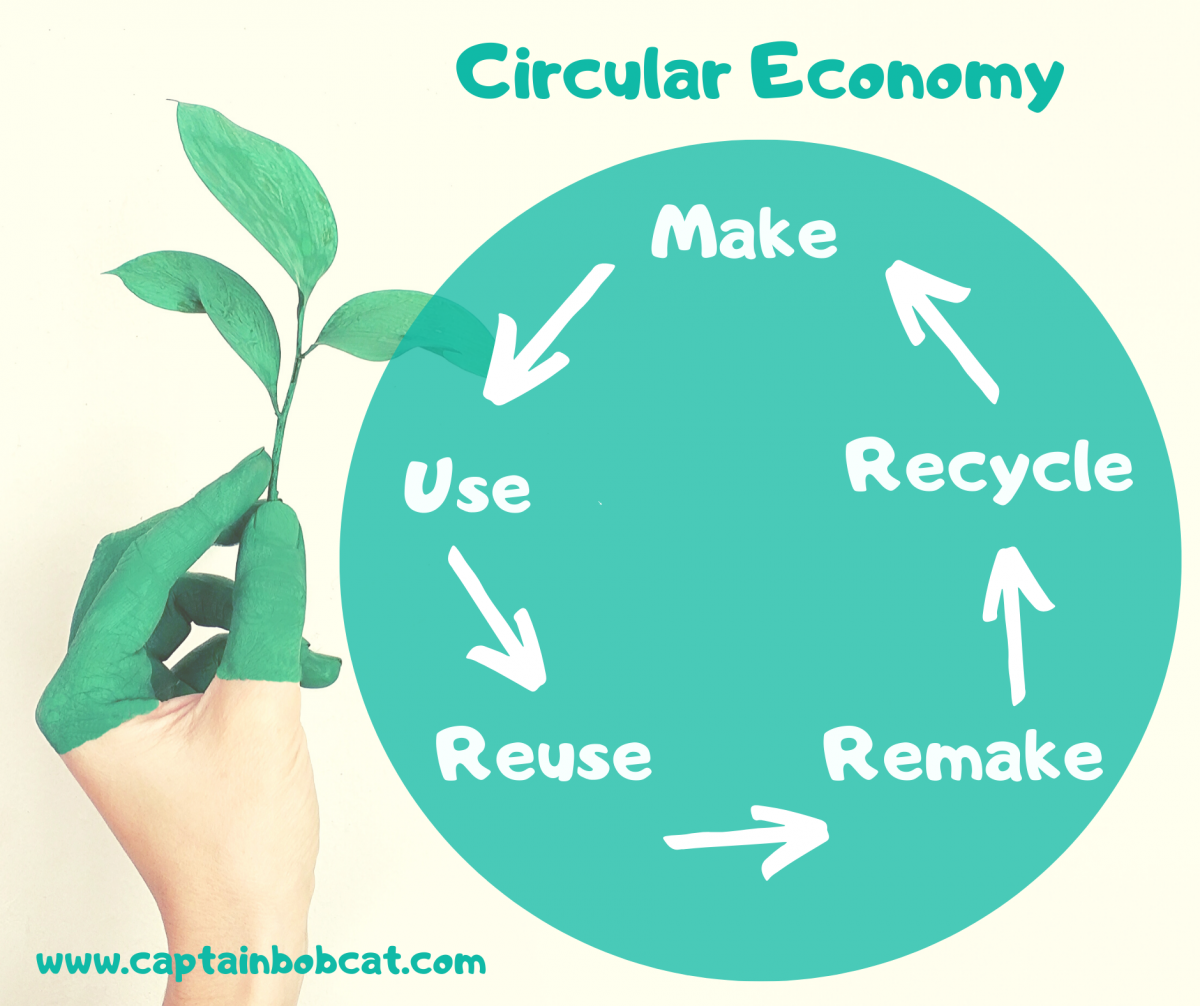
Nowadays, recycling and composting are vital parts of smart disposal processes. These practices assist in reducing landfill disposal and support the concept of a circular economy. That’s how we can improve the prospects for recycling and composting.
Expand Recycling Programs
People’s ability to get to a recycling center will encourage them to bring more items there for recycling. Recycling can be even easier when curbside collection services are available.
Promote Composting
Recycling of Organic waste also implies that there will be little organic waste material that will make its way to the landfill sites. It also produces organic fertilizer in the form of compost for use in gardens and farming.
Partner with Businesses
It is also possible to engage men and women for improved recycling and composting goals with a business. Concerning waste, organizations should establish their policies on how to handle waste so that they can reduce waste.
Sustainable Waste Disposal Methods
Hazardous waste disposal is less harmful to the environment since it involves little pollution and resource conservation. Here are some better practices that can be adopted in waste disposal.
Waste-to-Energy Conversion
Incineration or anaerobic digestion to produce energy considerably reduces the amount of waste deposited in existing landfills. The process also generates renewable energy sources.
Landfill Diversion
Few people embrace the culture of reusing and recycling, which assists in reducing the quantity of waste dumped in landfills. To reduce landfills, the following techniques can be applied: recycling, composting, and using waste to generate energy.
Eco-Friendly Alternatives
Packaging from biodegradable and other earth-friendly materials produces less waste. It makes waste disposal less destructive to the environment and is friendly to it.

Ways of Integrating Smart Waste Disposal in the Community
Introducing the use of smart waste systems in everyday practices can also help make the environment cleaner. Something as mundane as recycling at home or garage door repair impacts the amount of waste produced. The following are some of the suggestions that can be put into practice-to-practice smart waste disposal:
Practice Recycling
Separate your waste stream at home by dividing it according to which can and cannot be recycled. The method of returning this green waste to the soil makes a massive contribution to reducing landfills.
Compost at Home
Dispose of visual waste in a compost pile or bin, including food scraps and vegetation. This helps reduce landfill waste and generates compost for use in the garden.
Repair and Reuse
As it has been noted, try to patch things up rather than discard them. For example, deciding to opt for garage door repair instead of opting for a new one is a way of practicing the reduction of waste.
Conclusion
Inappropriate waste disposal poses a great menace to the environment; hence, the difference that is appropriate waste management will determine the future. By embracing technology, embracing sustainability, and advocating for policy, one can be in a position to conserve the environment. Efforts such as recycling, composting, and even thinking about whether to repair or replace a garage door can play such a role. Altogether, it is important to work in the context of environmental sustainability and leave future generations a clean planet.