
Table of Contents
This is a collaborative post.
I’ve always had a slightly stubborn approach to buying things. If I can repair it, thrift it or make it last, I will. That mindset doesn’t disappear when the topic turns to something as sentimental as an engagement ring. In fact, it matters even more. A ring is meant to be worn for decades, so it makes sense to choose one carefully. I know I want to wear my most precious jewellery like engagement ring and wedding band all the time for the rest of my life. And I’m sure most people feel the same.
If you’re shopping with the planet in mind, the good news is that you have more options than ever. And if you like a classic look, round engagement rings are one of the easiest shapes to live with for the long term, because they’re simple, balanced and don’t date easily. Here’s how I’d think about it.
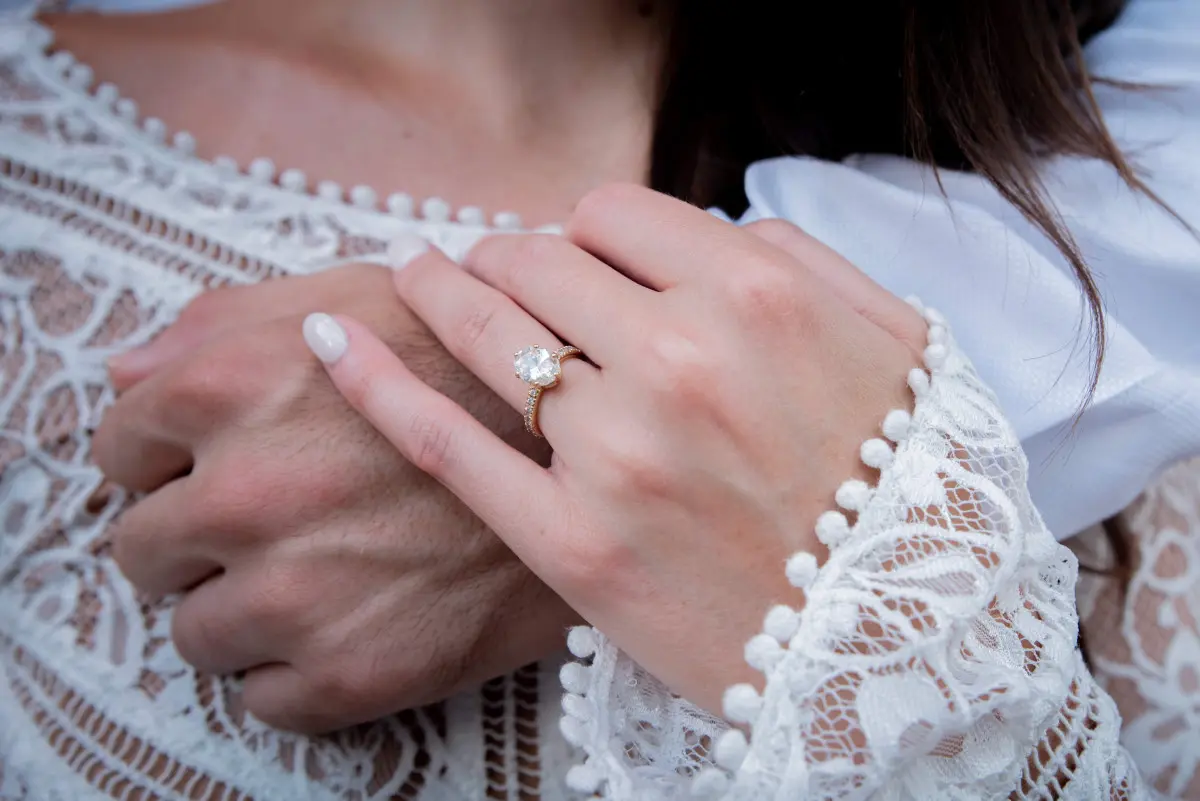
Start With Timeless, Not Trendy
The fastest way to end up with something you stop wearing is to buy purely on trend. Shapes and settings come and go, and what looks fresh now may feel dated in a few years. A simple round stone in a classic setting has a long track record of looking good in every era.
That doesn’t mean it has to be boring. A bezel setting, a subtle hidden halo or a plain band in a warm metal can add personality while keeping the overall look calm. If you can picture yourself wearing it at fifty, you’re probably on the right track.
Think About the Stone
Stone choice is where many people feel the most uncertainty, so it helps to know the main options:
Natural diamonds: Traditional and durable, though they come with environmental and ethical questions about mining. If you choose one, ask about sourcing and certification.
Lab-grown diamonds: Chemically identical to natural diamonds, they avoid mining but still use energy to produce. The footprint depends on how the facility is powered, shipping etc. But at least they are ethically created.
Moissanite: A durable, sparkly stone that’s usually grown in a lab. It’s often more affordable and has plenty of fire.
Cubic zirconia: A lower-cost, lab-made option. It’s less hard than diamond or moissanite, so it may show wear sooner, but it makes a good choice for a budget-conscious buyer.
Vintage or secondhand: Reusing an existing stone is arguably the most sustainable choice of all, and it can come with a story.
There’s no single right answer. The best choice depends on your values, your budget and how you plan to wear it.
Look at the Metal
Metals matter just as much as the stone. Recycled gold and silver have a much smaller footprint than newly mined metal, and many jewelers now offer recycled options. If you’re comparing pieces, ask what the metal is, whether it’s recycled and how it’s finished.
Plated pieces, which have a thin layer of gold or platinum over a base metal, can wear over time, so think about how much maintenance you’re willing to do. Solid metals last longer but usually cost more.
Ask the Questions That Matter
Before you buy, it helps to get clear answers from the seller. My advice is always ask first, not after the transaction has been done! Where were the stone and the metal sourced? Is the metal recycled? What guarantees or certifications come with the stone? Does the company offer repairs, resizing or a trade-in program? A good and honest jeweler will be happy to answer, and transparency is usually a sign of a business that takes its responsibilities seriously.
Consider a Secondhand Search
I’m a big believer in thrifting as you might know already, and jewelry is one of the best categories for it. antique and estate shops, vintage fairs and reputable resale platforms often have beautiful pieces at reasonable prices. A ring that’s already survived fifty years has proven it can last, and buying it keeps it out of the landfill and out of the mining cycle. I adore vintage and antique jewellery for a lot of reasons.
If you go this route, have a jeweler check the prongs and sizing before you wear it daily. A small repair can give an older ring decades more life.
Pay Attention to Packaging and Shipping
It’s easy to overlook the small stuff, but packaging adds up. When you’re buying online, look for sellers who use recyclable or reusable packaging, and think about whether you really need a fancy presentation box. A simple pouch is fine, and a good return policy means you can try a ring at home without committing.
Care for It, and It Will Care for You
Longevity comes down to care. Clean your ring regularly with warm water and mild soap, remove it for heavy chores and workouts, and store it in a soft pouch. Get the prongs checked once a year, and have it resized or repaired rather than replaced if something changes.
Those habits reflect the same repair-and-reuse mindset I try to apply in the rest of my home. A well-kept ring can be passed down, reset or redesigned in the future, which is a lovely thing to be able to do.
Choosing an engagement ring is a personal decision, and nobody else can tell you what’s right. But if you value sustainability, simplicity and longevity, the principles are straightforward: choose something timeless, understand where the materials came from, consider secondhand and take care of what you buy.
A ring doesn’t need to be extravagant to be meaningful. If it’s well made, thoughtfully chosen and loved, it will do its job beautifully for years to come.