
Table of Contents
This is a collaborative post.
Rising energy and water bills have many homeowners looking for smarter ways to run their homes. The good news is that you do not need a complete renovation to see real savings.
A handful of well chosen eco friendly upgrades can lower your monthly costs, increase comfort, and add value to your property for years to come.

What Are the Best Eco Friendly Upgrades for Cutting Utility Costs?
The best upgrades are the ones that reduce the energy your home wastes every day. Lighting, insulation, heating and cooling, water fixtures, and smart controls all play a role, and each one saves money in a different way.
Some upgrades pay for themselves quickly, like LED bulbs and a programmable thermostat. Others take longer to recoup, like solar panels or new windows, but deliver larger savings over time. A mix of both is usually the smartest approach.
Why Is LED Lighting Such an Easy Place to Start?
LED lighting is one of the simplest and cheapest upgrades you can make. LED bulbs use a fraction of the electricity of traditional incandescent bulbs and last many times longer, so you save on both power and replacements.
The switch also reduces heat in your home. Older bulbs give off a surprising amount of warmth, which makes your air conditioner work harder in summer. LEDs stay cooler, which helps your cooling costs too.
If you want to go a step further, add dimmers and motion sensors in hallways, garages, and closets. Light only runs when you need it, which trims your bill even more.
How Much Can a Smart Thermostat Really Save?
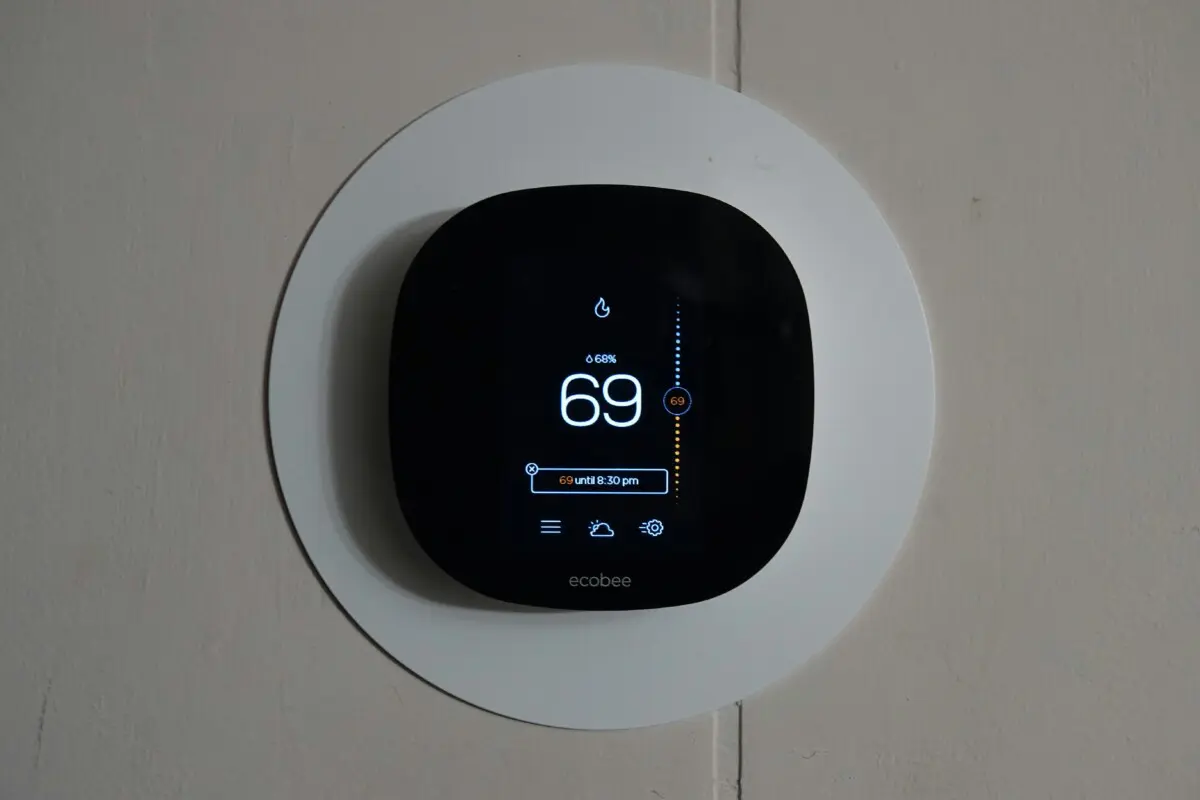
A smart thermostat can noticeably reduce heating and cooling costs because those systems use more energy than almost anything else in your home. Instead of running at one temperature all day, a smart thermostat learns your schedule and adjusts automatically.
It lowers the cooling when you are at work, then brings the house back to a comfortable temperature before you return. You can also control it from your phone, which is handy if your plans change or you are away on vacation.
Many models also give you energy reports, so you can see exactly where your usage is going and make better choices.
Does Better Insulation Make a Real Difference?
It does, and it is often one of the most overlooked upgrades. Poor insulation lets heat escape in winter and sneak in during summer, which forces your system to run longer than it should.
Start with the attic, since heat rises and escapes through the roof more than anywhere else. Then look at exterior walls, crawl spaces, and basement rim joists. Sealing gaps around windows, doors, and outlets with weatherstripping or caulk is a low cost fix that can make a big comfort improvement right away.
A well insulated home holds its temperature better, so your heating and cooling system works less and lasts longer.
Should You Upgrade Your Appliances and Electrical System?
Yes, but it helps to look at the bigger picture. Energy efficient appliances, especially refrigerators, washers, dryers, and water heaters, use far less power than older models. Look for the Energy Star label when you shop.
The electrical system behind those appliances matters too. Older wiring, overloaded circuits, and outdated panels can waste energy and create safety risks.
Before you add new appliances, an EV charger, or solar equipment, it is wise to have your system checked. A trusted st louis electrical installations can inspect your panel, confirm your circuits can handle the added load, and make sure every upgrade is installed safely and to code.
Skipping this step can lead to tripped breakers, damaged equipment, or costly repairs down the road. Getting the electrical side right first protects your investment.
Are Solar Panels Worth It for the Average Home?
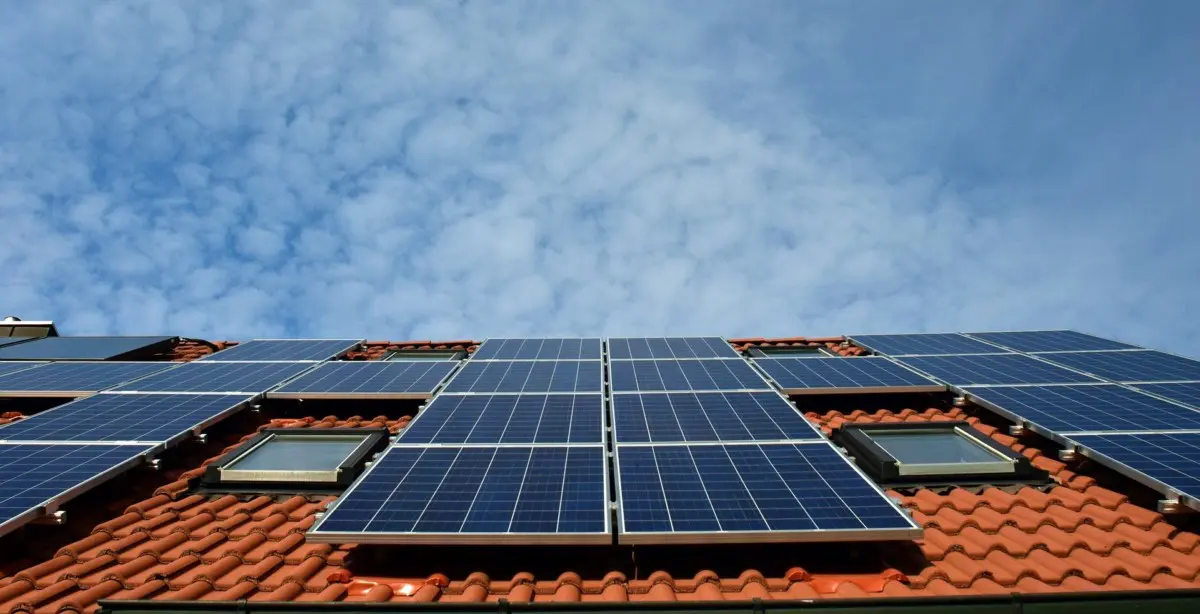
For many homeowners, they are. Solar panels generate your own electricity, which can sharply reduce or even eliminate your monthly power bill depending on your system size and local conditions.
The upfront cost is the biggest hurdle, but tax credits, rebates, and net metering programs can bring it down considerably. Over a decade or more, the savings often outweigh the initial price, and solar can raise your home’s resale value.
If a full system is not in your budget right now, you can still prepare. Ask about making your roof and electrical panel solar ready so adding panels later is simple and affordable.
How Can You Save on Water Without Sacrificing Comfort?
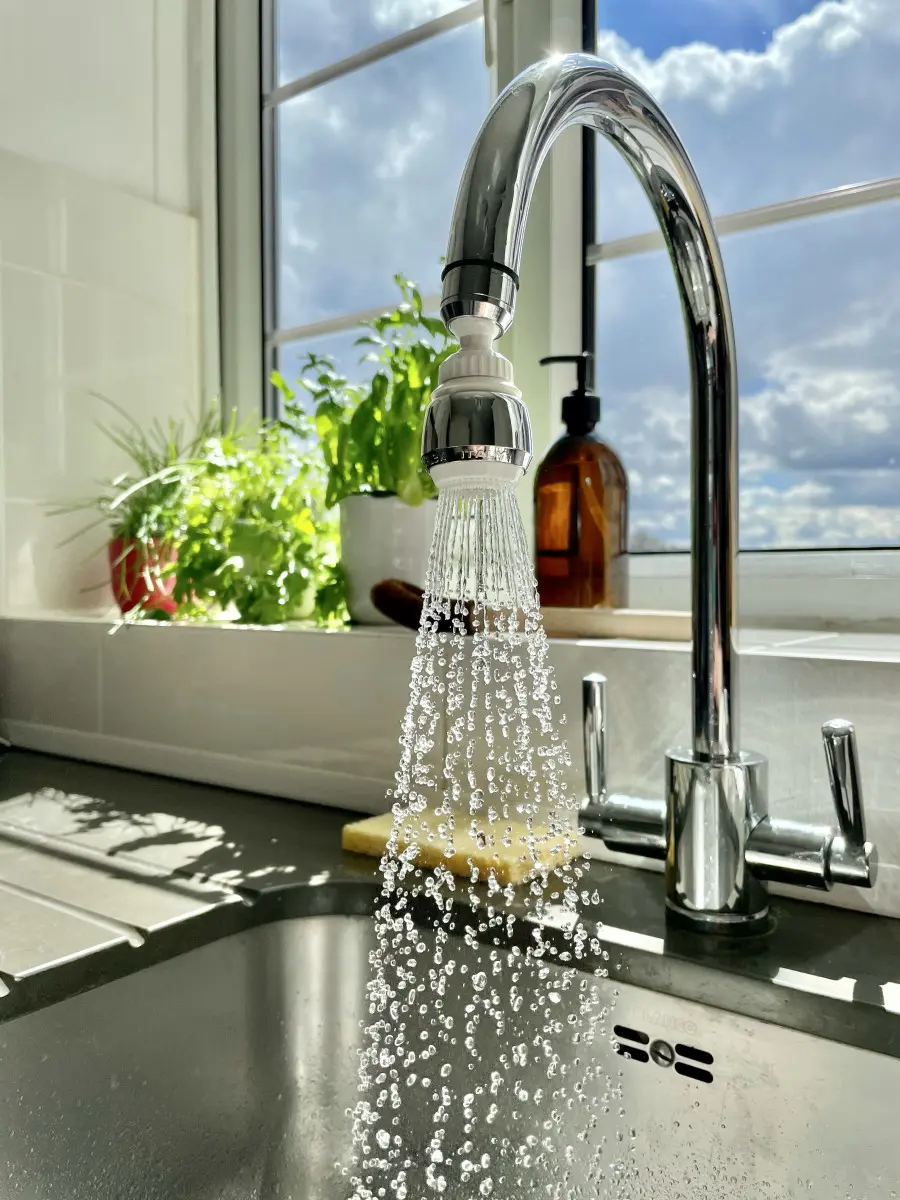
Water costs add up faster than most people expect, and a few small changes make a noticeable dent. Low flow showerheads and faucet aerators cut water use without changing how the water feels. Dual flush or high efficiency toilets reduce one of the largest sources of indoor water waste.
Fixing leaks matters just as much. A dripping faucet or a running toilet can waste thousands of gallons per year. Outdoors, drip irrigation and a rain barrel help you water your garden for less.
An energy efficient water heater, such as a tankless or heat pump model, can also lower both water heating and electricity costs.
 What Is the Smartest Order for Making These Upgrades?
Start with the low cost, high return changes first. Switch to LED lighting, seal air leaks, and install a smart thermostat. These can be done quickly and begin saving money right away.
Next, move to mid level projects like insulation, efficient appliances, and water saving fixtures. Finally, plan for bigger investments such as solar panels, a new HVAC system, or upgraded windows when your budget allows.
Tracking your utility bills before and after each upgrade helps you see what is working and where to focus next.
Where Should You Begin?
Pick one upgrade that fits your budget and your biggest source of waste, then build from there. Small, steady improvements add up to lower bills, a more comfortable home, and a smaller environmental footprint. Over the long term, the savings are well worth the effort.