
Table of Contents
This is a collaborative post.
With the climate change crisis constantly growing, the need for more energy-efficient solutions in the HVAC industry is more critical than ever. This article will take a closer look at how HVAC systems are being affected by climate change while offering insights into smart, sustainable solutions that can help.
How Climate Change Affects Your HVAC System
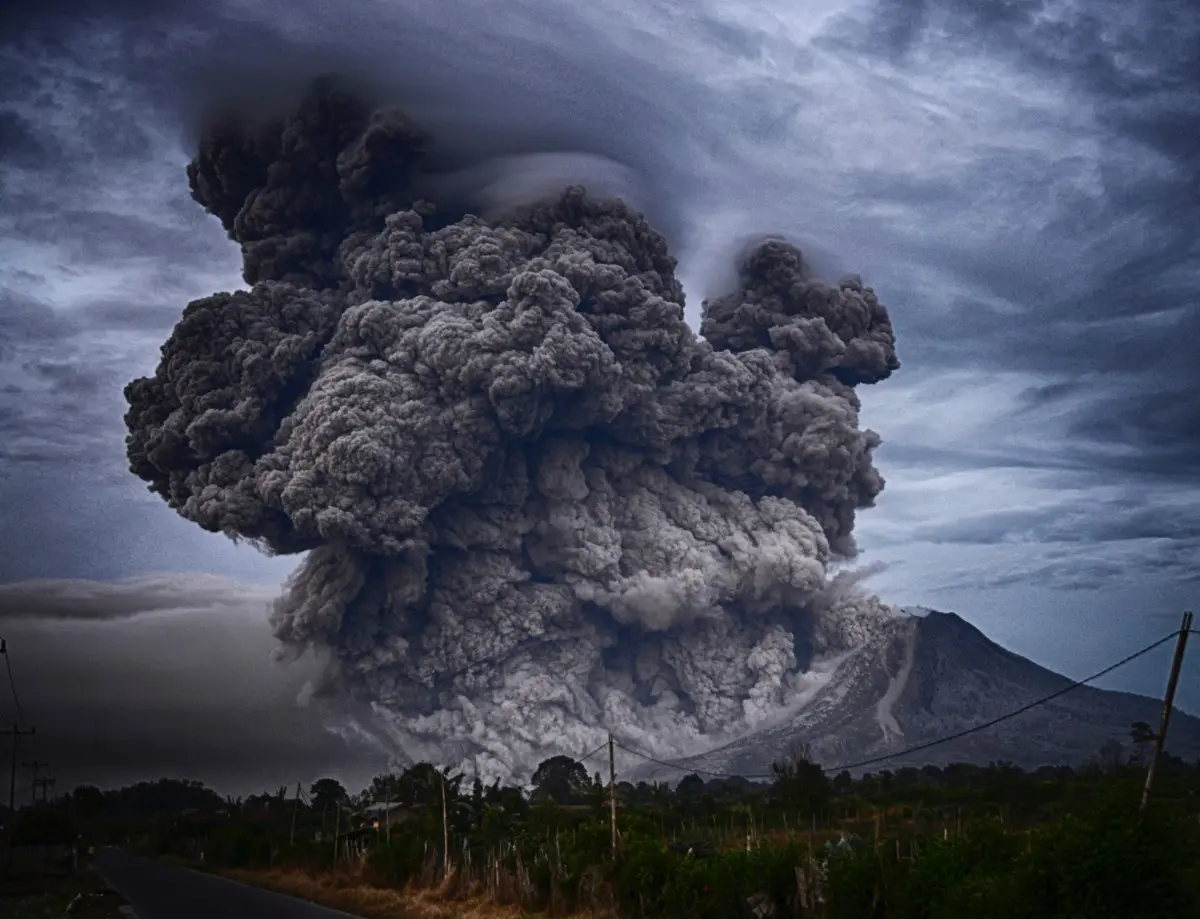
As carbon emissions increase, they build up in the atmosphere, causing temperatures to rise. However, the issue doesn’t stop at steadily growing temperatures. According to the EPA, these temperature changes can also cause dangerous shifts in various weather patterns, which can cause extreme weather events, such as floods, droughts, wildfires, hurricanes, and more intense storms.
These changes in the environment have serious implications for HVAC systems, which are not only responsible for cooling and heating homes but also for maintaining indoor air quality. When extreme weather events occur, it plACes an increased demand on HVAC systems, such as prolonged use of AC during heat waves.
Unfortunately, this only exacerbates the climate change issues, as powering HVAC systems for longer periods means using more energy, which burns fossil fuels and adds to the carbon emissions causing climate change. Additionally, other extreme weather events such as floods, hurricanes, bad storms, and wildfires can also damage HVAC equipment.
This increased demand can also lead to wear and tear on components like ductwork, which may crack, warp, or develop leaks over time. Knowing when to inspect your ductwork — and potentially replace it — is essential for maintaining efficiency.
What all of this means overall is that it is becoming apparent that there is a critical need for more resilient and energy-efficient HVAC systems.
Climate Change and HVAC Systems: Smart Adaptations
To adapt to climate change and the increased demand being placed on HVAC systems, the industry must start adopting more sustainable practices and integrating more sustainable solutions. This can include using more sustainable materials, designing smart, energy-efficient HVAC systems, and integrating renewable energy sources.
1. Smart Thermostats
Integrating smart thermostats with HVAC systems can help optimise HVAC usage. Smart thermostats can establish intuitive schedules that auto-adjust for optimal energy saving, such as reducing usage when users are away, asleep, and generally powering on and off when necessary to mitigate overuse.
HVAC systems can also now operate based on real-time data that enables the system to operate more efficiently. Environmental data, for example, can be read by smart thermostats, enabling real-time monitoring and adjustment based on air quality conditions. IoT (Internet of Things) features also enable users to monitor and control their HVAC system remotely. Smart IoT capabilities also include alert systems, such as alerting users when the system needs maintenance or repairs to keep it running optimally and efficiently.
2. DeVAP Systems
Instead of using energy to cool the air, DeVAP HVAC systems cool by using an evaporating cooling system. Essentially, water is filtered through the system, and when it dissipates, the DeVAP system uses the moisture to blow out air that feels cooler. This uses less energy and also doesn’t require a refrigerant so it is more efficient and better for the environment.
3. Solar-Powered HVAC
Solar power is a great way to offset weather-related challenges from climate change. Using solar panels means less reliance on potentially unstable electrical grids during power outages, they are easy to maintain, and they can help end the cycle of endlessly using up fossil fuels and producing carbon emissions.
For example, many homeowners are starting to use roof-mounted solar panels to power their homes and their HVAC systems. There are also standalone off-grid systems that can be used which don’t rely on traditional electricity grids.
Solar power is also a great way to offset energy usage from HVAC systems. There are even some HVAC systems emerging that are specifically designed to operate using solar power. These systems use warming energy from the sun to warm a combination of radiator fluid and water, which then gets processed through a warmth exchanger and blows warm air into the home during colder seasons.
4. Geothermal Systems
Geothermal HVAC systems use something called an earth cycle to heat or cool homes instead of solely relying on traditional energy sources to heat or cool the air. While electricity is still needed, the geothermal system cuts down on how much energy is used.
These systems use water fed through underground pipes. As the water moves through these underground channels, it is either cooled or heated (depending on the season) and then it returns to the HVAC unit which then uses a fan to pump the cooled or heated air back into the home.
4. Resilient Electrical Systems
In addition to adopting more energy-efficient HVAC systems, it is also important to consider ways to prepare for severe storms. In the event of extreme weather, electrical systems can fail, which means HVAC systems that rely on these systems will stop working. This can lead to extreme heat or extreme cold, which can increase health risks.
To prevent this from happening it’s a good idea to consider how to build a more resilient electrical system while also integrating more efficient HVAC systems. This can be done by using surge protectors, weatherproofing electrical boxes, and ground fault circuit interrupter (GFCI) outlets to prevent electrical shocks and damage to HVAC equipment.
Conclusion
Hiring the right technicians to manage HVAC systems is also important to ensure efficiency and optimal usage. If your HVAC system is damaged during an extreme weather event and is showing signs of needing repairs, it’s important to have it checked out as soon as possible.
You can also consult a professional about having a new HVAC system installed and getting a new maintenance plan that is more sustainable and will ensure your HVAC system can keep up with whatever climate change throws your way. a