
Table of Contents
This is a collaborative post.
Plenty of eco-minded parents have a product idea scribbled in a notebook. Sometimes it is a vitamin blend the family already buys and wishes came without the plastic and the vague promises. The urge to make a better version is natural, and it is worth thinking through before any money changes hands.
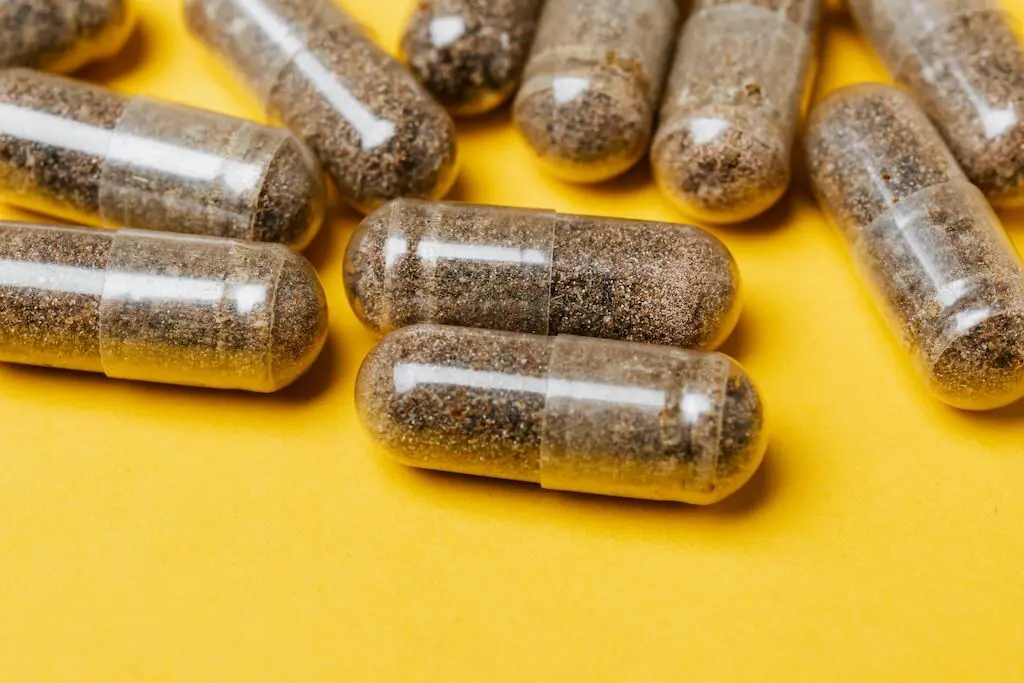
For a small brand, custom capsule manufacturing is where most of the footprint gets locked in. The shell, the run size and the container are all chosen at that stage. Below are the four choices that matter most for a founder who cares about waste and honesty.
What Are Capsule Shells Made From?
Most capsule shells are gelatin or a plant-based material. Gelatin comes from animals, which matters a great deal to a vegetarian household.
Superior Supplement Manufacturing, a US contract maker, lists the options on its capsule page. Bovine gelatin comes from cattle, porcine gelatin from pigs and fish gelatin from marine sources. The plant options are HPMC, made from plant cellulose, and pullulan, made through fermentation.
The page also gives a rough cost factor for each shell. Bovine and porcine gelatin sit at 1.0x, fish gelatin at 1.3x, HPMC at 1.8x and pullulan at 2.2x. So a vegetarian shell can nearly double the shell cost. For many ethical founders that premium is the point, not a problem.
There is a trade-off to note. The same page rates HPMC’s moisture barrier as moderate, while gelatin rates very good. That can shape the bottle you need later.
How Many Capsules Do You Really Need to Make?
Fewer than your enthusiasm suggests. Overproduction is the hidden waste in small-brand launches.
Contract makers set minimum orders. Superior Supplement Manufacturing’s page lists 2,500 bottles of 60 capsules for bottled products, or 150,000 capsules for bulk. That is a lot of stock for a family business selling at school fairs and online.
Every capsule has a shelf life. Unsold stock that passes its date becomes waste, along with the bottles, labels and shipping cartons around it. Before ordering, work through these steps:
- Count real buyers. Friends who say “I’d buy that” are not orders yet.
- Estimate monthly sales. Divide 2,500 bottles by that number to see how long the run lasts.
- Check the date. Make sure the run sells well before the shelf life ends.
- Ask about smaller first runs. The page notes that MOQs for custom formulas can vary.
- Plan the timing. First runs take 8 to 10 weeks, so a rushed order rarely saves anything.
Which Bottle or Pouch Leaves the Lightest Trace?
There is no single winner. The best container is the one your buyers can actually recycle where they live.
The capsule page lists HDPE bottles, PET containers, glass bottles, stand-up pouches and blister packs. It also mentions post-consumer recycled content, reduced material packaging and biodegradable alternatives.
Each choice has a catch:
- Glass feels premium and recycles well, but it is heavy to post.
- HDPE and PET are light and widely collected, especially with recycled content.
- Pouches use less material, yet many multi-layer films are hard to recycle.
- Blister packs mix plastic and foil, which most curbside schemes cannot sort.
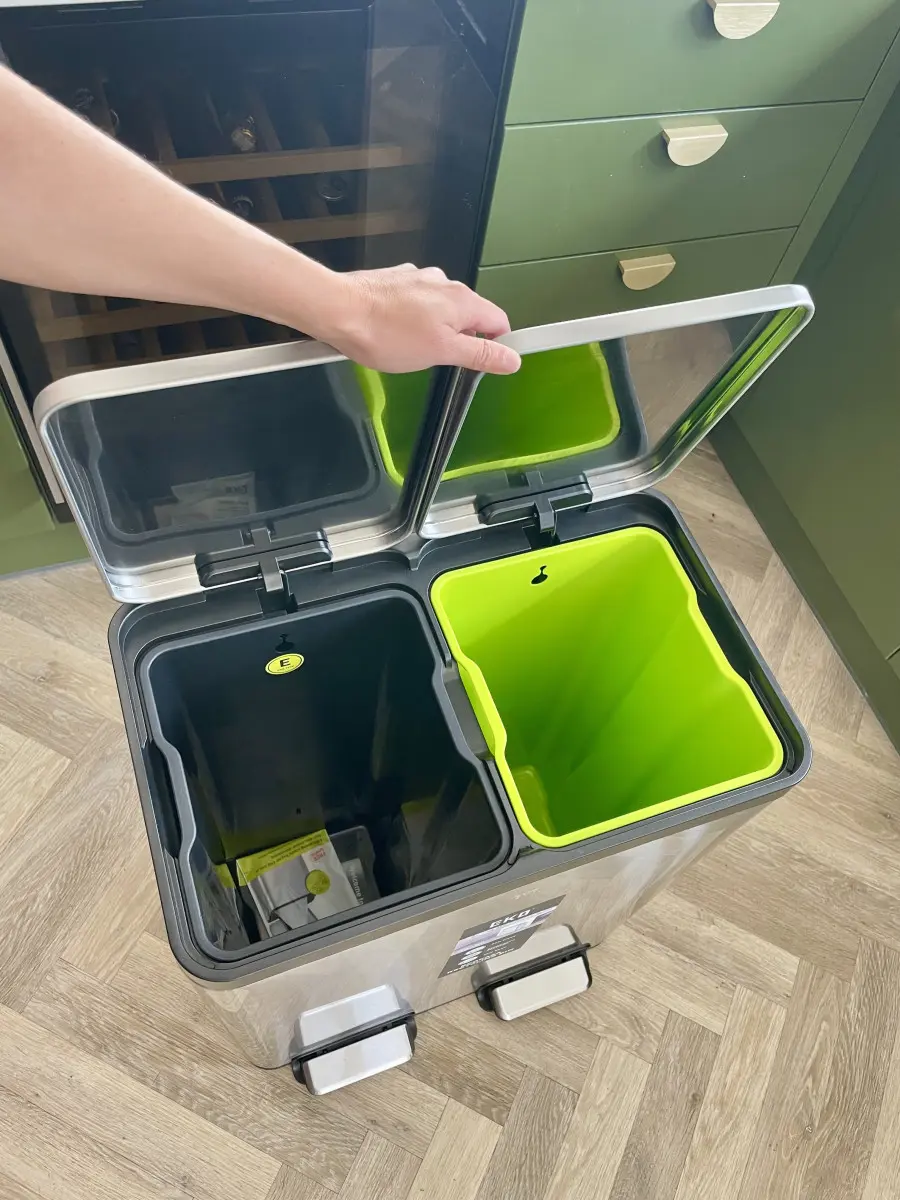
Recycling rules also change by country. In the UK, the On-Pack Recycling Label scheme judges a pack on three questions.
Can people put it into their recycling collection? Can UK recycling plants handle that material mix? Is there a market for the recycled material afterward? Where possible, its labels give a simple “Recycle” or “Do Not Recycle” message. That three-part test is useful for any pack you are considering.
A recent can-to-pan review on this blog showed how recycled material can carry a product story. A supplement bottle can do the same, if the claim is true.
Can You Call Your Supplement “Eco” or “Natural”?
Only if you can back it up. Green words on a label are claims, and regulators treat them that way.
In the UK, the Competition and Markets Authority’s Green Claims Code sets out 6 key points for honest environmental claims. The CMA also says 40% of green claims made online could be misleading. Its points boil down to a short checklist:
- Is the claim true and accurate?
- Is it clear, with no fuzzy words like “earth-kind”?
- Does it leave out anything important?
- Is any comparison fair?
- Does it consider the full life cycle, from shell to bin?
- Can you prove it?
A capsule in a recycled bottle is not automatically “eco”. A plant-based shell is not automatically “natural” either. Say exactly what is true, such as “vegetarian HPMC capsules” or “bottle made with recycled plastic”. And keep health promises off the label completely.
What Should You Ask a Manufacturer Before Signing?
Good questions save waste later. A short call with a contract maker can answer most of them before a single capsule is filled.
Bring a written list and note each answer:
- Which shell materials can you run, and what does each add to the unit cost?
- What is the smallest first run for my formula?
- Which bottles, jars or pouches do you stock with recycled content?
- Can the label and carton use less ink and fewer layers?
- How long is the shelf life you can support with testing?
- What happens to stock that fails a quality check?
The last question tells you a lot. A maker that explains its process clearly is easier to trust with your name on the label. Compare the answers from two or three manufacturers before you decide. Price matters, but so do waste, animal content and how plainly each option is described.
Where Does a Parent Founder Start?
Start with your values, then test each choice against them. Write down what matters most: no animal products, less plastic, or honest wording.
That list becomes your brief for any manufacturer. Ask which shell, run size and pack fit it, and what each option costs. A home filled with second-hand and reclaimed pieces shows the same instinct: choose fewer things, choose them well, and know where they came from.
Frequently Asked Questions
Are Vegetarian Capsule Shells More Expensive?
Usually, yes. On Superior Supplement Manufacturing’s page, HPMC carries a 1.8x cost factor and pullulan 2.2x, against 1.0x for bovine gelatin.
What Is a Minimum Order Quantity?
It is the smallest run a manufacturer will produce. For bottled capsules, the page lists 2,500 bottles of 60 capsules.
Is Glass Better Than Plastic for Supplements?
Not always. Glass recycles well but weighs more to ship. Light plastic with recycled content can sometimes leave a smaller trace.
Can I Say My Supplement Is Eco-Friendly?
Only with evidence. Specific, provable wording is safer than broad terms, and guidance such as the UK Green Claims Code sets out what to check.