
Table of Contents
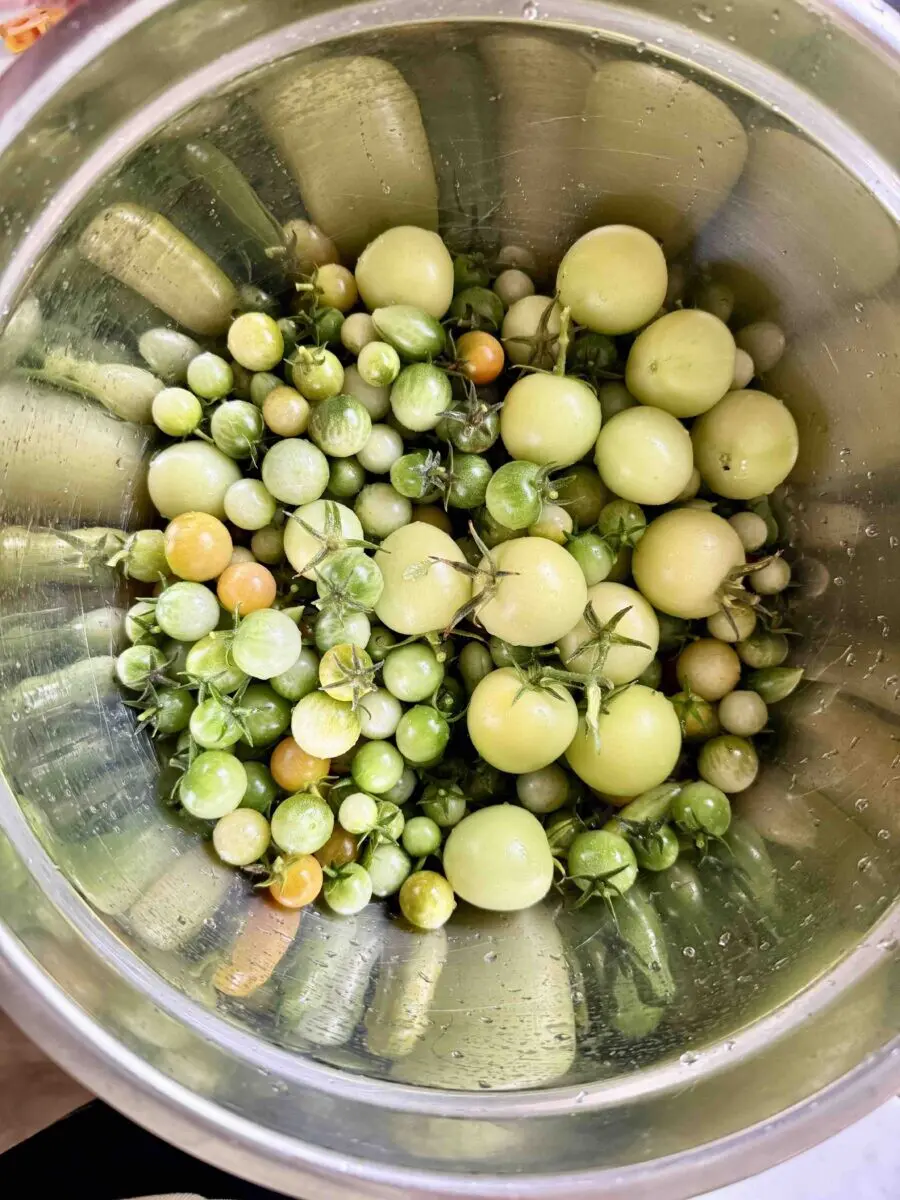
This was the third year I have planted my tomato corner. We call it tomato corner, it’s situated in the sunniest, sheltered corner of the house. Not the garden, because I keep trying to grow tomatoes in buckets and large pots. This has been half success so far, they do need a really large bucket to start with, which I only learnt this year. Anyway, planted a small forest of tomatoes and hoped for the best. Now, you might know that the UK has experienced a really hot and dry summer (very much unlike the normal UK climate, so it’s really worrying) so you’d think the sunshine and the hot weather is perfect for the tomatoes. Noooooo. Nope. First, it was too hot, way to hot! Secondly, they needed constant watering. Now, when it’s really hot, you water a lot but it’s still not good enough, because you might over water, or water inconsistently, or not water enough. And tomatoes need not too hot, consistent temperatures too, apparently. So, as a result, they only started to ripen in September. And they were still flowering and fruiting into October. However, the night time temperatures are now too cold so I ended up with probably half of my seasonal tomato crop sitting on the vines, still green.
I did pick some green ones, starting 3-4 weeks ago and made green tomato preserve with them, which were nice. Planned some green tomato chutney but didn’t get around and they are too small to make the American delicacy of fried green tomatoes with them.
So, I’m ripening them off the vine, after I picked them all and cleared the plants. This give me the idea of sharing the best methods for ripening tomatoes off the vines. I hope you will find it useful.
How do tomatoes ripen?
Tomatoes produce a gas known as ethylene, which accelerates ripening. This happens when the the temperature is between 68°F and 77°F (20°C–25°C), like I mentioned above. So, basically you need to replicate this natural process when you bring your picked tomatoes inside, after they’ve been harvested. Simples.
Green tomatoes won’t ripen? Do this before frost
Start by sorting through your collection of tomatoes. Look for firm tomatoes that have begun to change color; even a hint of yellowish or pink is a good sign that they are ready for ripening. The rest, the very green one will be a hit and miss, but I would always give it a try.
After this, you can (sadly) discard your plants as they won’t survive anyway. I just did this, I always feel sorry for them!
Methods to ripen tomatoes
There are several strategies to enhance the ripening of your green tomatoes. Here are some tried-and-true methods:
1 Ethylene gas ripening
This sounds like a totally “chemical” and “non-natural” thing, but I promise you, it’s all natural!
Since tomatoes produce ethylene gas, a straightforward way to get them ripen is to group them together. Placing tomatoes in a paper bag or a cardboard box can concentrate the ethylene gas around them, speeding up the ripening process. For even better results, consider adding an apple or banana to the bag, as these fruits also emit a high level of ethylene.
2 Sunlight exposure
This is what I normally do. It never cease to amaze me, though! I find it really fascinating, that sunlight can just turn them red as per normal.
If the weather permits, you can use sunlight to your advantage. Place your tomatoes in a sunny, warm location, like a kitchen counter or windowsill, making sure to avoid direct light that might cause sunburn. The warmth will help trigger the ripening process. Rotate the tomatoes daily to ensure they ripen evenly.
3 Brown paper bags
I’ve not tried this, but it’s also an old, tested method.
This is a classic method, that many gardeners swear by, is using brown paper bags. Place your tomatoes in a single layer, and fold the top of the bag over to minimize airflow. The encapsulated environment keeps ethylene gas close to the fruit, so it will ripen evenly.
4 Ripening box
You can also create a dedicated ripening box. Use a cardboard or wooden box with air holes (you will need to add them yourself) and layer your tomatoes with newspaper to absorb excess moisture and encourage ethylene concentration. This method can also keep the tomatoes safe from bruising.
5 Room temperature storage
The only downside to this method is that it’s a bit slow and that at this time of the year, the tomatoes left on the kitchen counter will attract fruit flies. I’m currently seeing them in my kitchen, so I spray the windowsill tomatoes with some vinegar mixture every now and then to keep the fruit flies away.
So this simple technique is about basically leaving your tomatoes at room temperature, away from direct sunlight. Spread them out on a countertop to allow air circulation. Be vigilant and check them daily to catch any signs of over ripening or spoilage.
6 Clipping green stems
When harvesting tomatoes, sometimes the green stems don’t detach cleanly. Generally, it’s a good idea to clip them off if they’re still attached when placing your tomatoes in the ripening environment. Leaving the stems could draw energy from the fruit, potentially delaying ripening.
Check on them often as they ripen
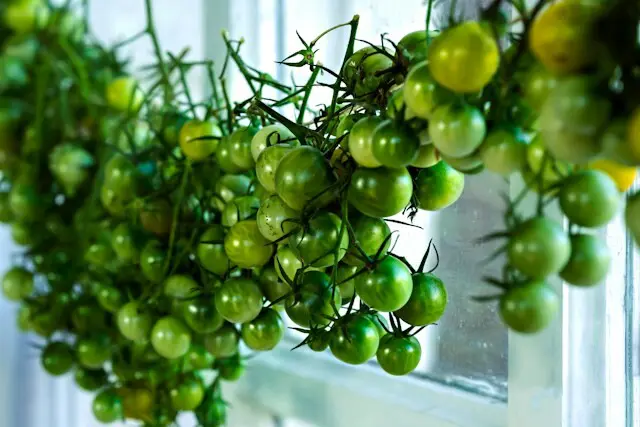
It’s important to monitor your tomatoes closely. Check them regularly for mold or overripening. Remove any tomatoes that show signs of decay to prevent the spread to healthy ones.
What to do with overripe tomatoes
If you find yourself with some tomatoes that are becoming overripe, don’t despair! Overripe tomatoes can still be put to good use. They are excellent for making sauces like pizza sauce or homemade pasta sauce, salsas, or even for canning.
What to do with any leftover green tomatoes
In case you have green tomatoes that don’t ripen despite your best efforts, there are plenty of other recipes for them. Fried green tomatoes are a classic Southern American dish that works great as appetizers. You can also use them in relishes or chutneys or pickled green tomatoes which is what I made this year.