
Table of Contents
This is a collaborative post.
Your car has served you well, but as repairs become more frequent and the next MOT approaches, it may be time to think about replacing it. That raises an important question for environmentally conscious drivers: is buying a used car actually the greener choice?
The answer depends on the vehicle, its condition, how long you plan to keep it, and what you would buy instead. This article looks at when choosing second-hand can reduce your environmental impact, when it may not, and what to consider before making the switch.
The carbon cost of building a new car
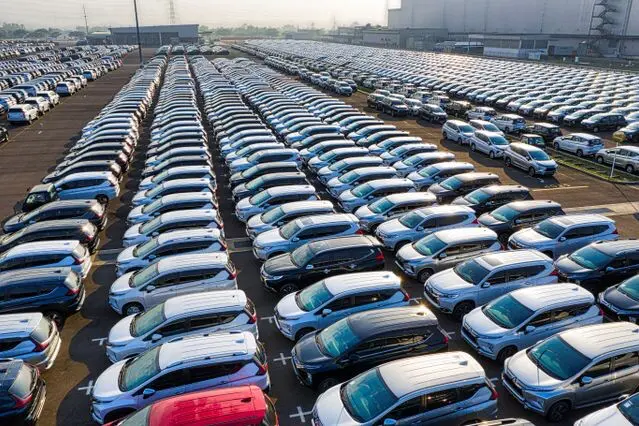
Every vehicle has a manufacturing footprint before it even reaches the road. Producing a medium-sized car can result in several tonnes of CO₂e emissions, although the exact figure varies significantly depending on the vehicle’s size, powertrain, battery and manufacturing process. Estimates have also varied considerably across different studies.
For electric cars, one study estimated that battery production can result in around 70-130 kg of CO₂e per kWh of battery capacity. These upfront emissions are one reason why, in some circumstances, keeping an existing vehicle for longer can have a lower overall environmental impact than replacing it, particularly when the vehicle remains reliable, relatively efficient and is driven only occasionally.
Buying used does not erase the emissions that were already produced. What it can do is avoid creating demand for an additional new vehicle. The production emissions still exist; they simply belong to the vehicle’s earlier life rather than being generated by your purchase. What matters is the vehicle’s overall impact from production through its continued use, maintenance and eventual disposal.
When a used car is the greener option
Low mileage per year will help decrease emissions from operation, but it alone does not show that it is better environmentally to buy used rather than new. The key issue is whether trading in your car results in less emissions than keeping it. Low mileage can favour keeping an existing car, because the fuel savings from a newer, more efficient model take longer to offset the manufacturing impact of a replacement.
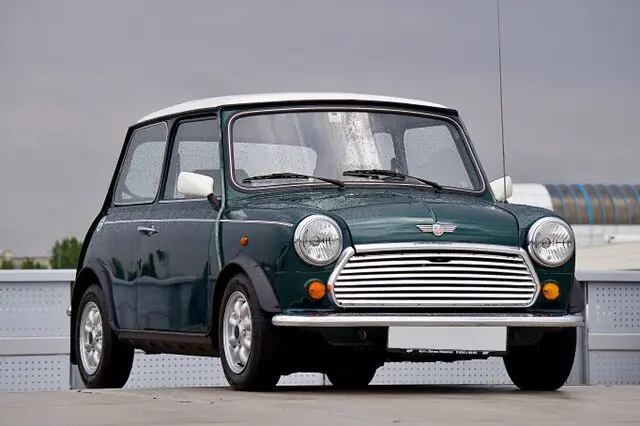
The age and efficiency of the car matter too. A three-year-old model that meets modern emissions standards will be cleaner than a fifteen-year-old equivalent. You are getting the benefits of newer engine technology without the manufacturing burden. If you are replacing a car that has reached the end of its life, choosing a fairly recent and efficient used model is often the most sensible option.
This is where the UK market is heading. The total number of used vehicles sold in the UK was 7,807,872 in 2025, which is three years in a row with growing sales of used cars. The number of used battery electric vehicles increased by 45.7%, according to SMMT. At the same time, used BEVs still made up only 3.5% of the used market.
When it isn’t
There are circumstances where keeping an old car running does more harm than good. A high-emission vehicle driven a lot will accumulate a significant carbon debt over its remaining life. At some point, the emissions from fuel combustion overtake the savings from avoiding production of a new car.
A new EV versus a new petrol car is one question. A new EV versus continuing to drive an existing petrol car is another. A used EV versus a used petrol car is a third. The breakeven point is not the same in each case. For a high-mileage driver, a new or nearly-new electric vehicle will often have lower lifetime emissions than continuing to run an older petrol or diesel car.
According to the ICCT’s lifecycle assessment for 2025, the life cycle emissions from battery electric vehicles currently available in Europe amount to approximately 63 g CO₂e/km, whereas the corresponding lifecycle emissions from comparable internal combustion engine vehicles amount to about 235 g CO₂e/km.
A used EV lets you benefit from electrification’s lower use-phase emissions without adding demand for a newly manufactured vehicle. The embodied emissions from its original production have already occurred, meaning they are not erased by buying second-hand, but your purchase does not create a new manufacturing footprint. The growing availability of used EVs, with prices falling as supply increases, makes this an increasingly practical option.
Choosing a greener used car
If you’ve settled on purchasing a second-hand car, then your choice of used car can reduce its environmental impact further. These are some of the things that should be considered:
- The biggest single factor is usually the car’s size and engine. Typically, the greener cars are on the small and light side, as these types of cars use less fuel to travel.
- Check the car’s CO₂ figure for the emission band. Bands that produce less CO₂ are more environmentally friendly. However, for vehicles that were first registered on or after April 2017, there is no different rate of tax depending on the CO₂ band. Please see GOV.UK for the specific rate.
- If you drive in cities with Clean Air Zones, check whether the car meets the minimum emission standards. Petrol cars generally need Euro 4, diesels need Euro 6. Non-compliant vehicles may face daily charges, depending on the zone.
- A well-maintained car runs more efficiently and lasts longer. Therefore, it is important to make sure that the vehicle’s maintenance record is good.
- Correct tyre pressure reduces rolling resistance and saves fuel.
Checks before you buy
A used car can be a greener choice when it is safe, roadworthy, and capable of remaining in service. Keeping a poorly maintained or seriously damaged vehicle on the road, however, can create safety, financial and environmental concerns.
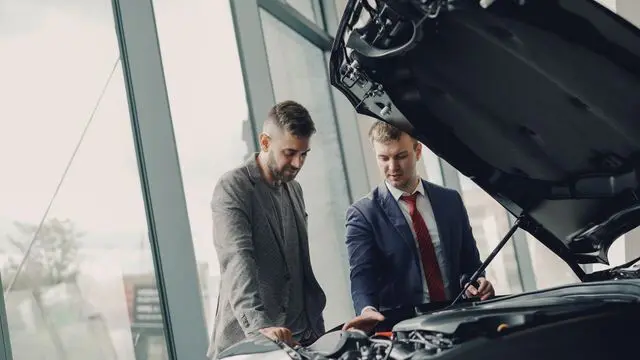
Check the vehicle’s MOT history via the official government website before making any payment. This can show previous MOT results, recorded mileage, failures and advisories, helping you identify issues that have appeared repeatedly. You should also check whether the vehicle has previously been written off by an insurer.
Write-off categories matter. Category A and B vehicles cannot legally return to the road. Category S (structural damage) and Category N (non-structural damage) vehicles can potentially return to the road after appropriate repairs. Undetected structural damage can pose a serious safety risk, particularly with Category S vehicles.
It is also worth to check if a car has been scrapped. A vehicle that has been issued a Certificate of Destruction by an Authorised Treatment Facility cannot legally be returned to the road. This is different from a write-off, which may still be repairable and legal to drive. A vehicle history check may also reveal whether the vehicle has been recorded as scrapped. This is particularly important if the price seems unusually low or the seller is evasive about paperwork.

Making it last
After having bought yourself an old car, the manner in which you will be driving and taking care of it will define how much of an impact it will have on the environment while you own it. Regular maintenance of the car will make sure that its engine runs smoothly.
Smooth acceleration, gentle braking, and less idling all reduce consumption. In addition, it is possible to plan a route ahead in order to bypass traffic jams and reduce pollution. This might seem like a minor thing, but in time, these minor actions add up.
It’s about the whole lifecycle
Secondhand cars can indeed be more environmentally friendly, but not all the time. Driving small distances and picking an efficient used car prevents any new car production and makes sure you are not producing much during the usage phase. But in case you travel a lot and have an inefficient car, the story might change.
In that case, a used electric car may offer the best balance as you avoid the manufacturing footprint of a new vehicle while still benefiting from electrification’s lower emissions per mile. A used EV still carries the embodied emissions of its original production, and charging it produces emissions depending on how the electricity is generated. However, over its remaining life, it will often come out ahead.