
Table of Contents
This is a collaborative post.
I myself have been leasing an electric car, an electric Mini. It’s now coming up for renewal, so I am having to weigh up my options and make a decision in the next three months. What car shall I choose next? Obviously, it has to be electric, since we have the charger fitted and because we are trying to be eco-conscious as much as we can. But, it might be a different solution for others. Driving can be a difficult compromise for people with an ecological conscience. Even the smallest electric car comes with a relatively big carbon footprint through manufacture and energy usage – not to mention all the tarmac it requires and the amount of biodiversity that is lost to vehicles and vehicle infrastructure every year. That being said, we live in a car-reliant society, and it’s impossible for many people to survive without a car. So, how can you assuage your green conscience as much as possible when picking a new vehicle to lease? Let’s take a look:
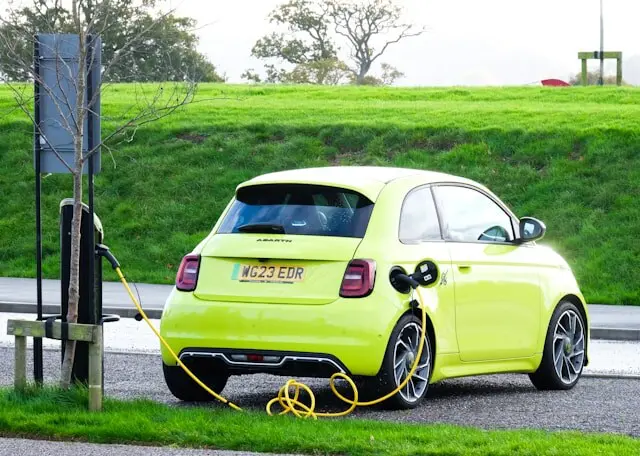
Check the true environmental credentials
Before you compare leasing deals, it’s important to understand the true environmental impact (and credentials) of the models you’re looking at. Many people assume that zero-emission models are automatically more environmentally friendly. In fact, the cobalt and lithium mining involved in EV manufacture has a hefty environmental impact, so a large EV could actually come with a larger ecological debt than a small hybrid.
So, look at the true environmental cost of each model you’re considering. The first figure to examine is the car’s official CO₂ emissions. Fully electric vehicles produce zero tailpipe emissions, which makes them ideal for drivers who want to reduce local air pollution – but, again, even a fully electric vehicle may well have a hefty carbon footprint from manufacture. That being said, plug-in hybrids may be less efficient, as you need to charge them regularly and can often only use electric mode for shorter trips.
For petrol or diesel models, look for strong fuel economy and lower emissions ratings. Remember that official figures are based on standard tests, so real-world performance may vary. A larger, heavier car with a “green” label may still consume more energy than a smaller, simpler model.
Consider your driving pattern
Your typical journeys will make a difference to what’s most eco-conscious for you. If most of your driving involves short commutes, school runs or local errands, an electric car could be ideal. You may rarely need public charging if you can charge at home overnight.
For regular long motorway journeys, or if you’re a frequent traveler, range is more important. Check the car’s real-world range if possible, rather than relying only on the manufacturer’s claim. Cold weather, high speeds, heavy loads and frequent use of heating can reduce electric range, especially in winter.
If you cannot charge at home or work, a plug-in hybrid may not deliver the benefits you expect. In that case, a highly efficient hybrid or small petrol car could be a more practical and eco-conscious option.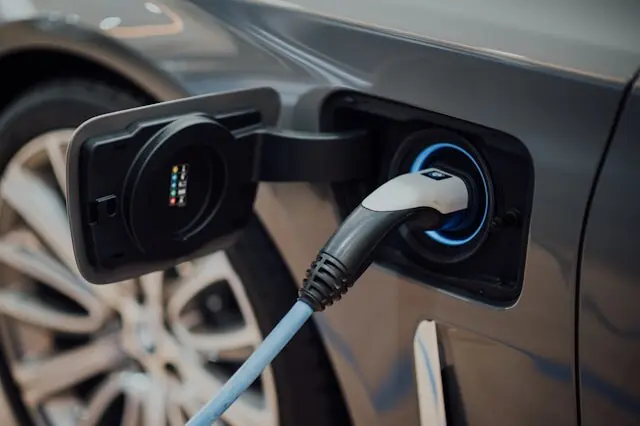
Review charging options
For electric and plug-in hybrid cars, charging access is essential. Home charging is usually the cheapest and most convenient option, particularly if you can use an off-peak electricity tariff. However, you may need permission if you rent your home or live in a flat. And remember that the ultimate source of the energy you charge with can make a big difference. EVs. Renewable energy sources will significantly reduce the car’s carbon footprint.
Check whether the lease includes support for home charger installation or any charging network benefits. Also consider the speed at which the car can charge. A vehicle with rapid-charging capability will be more convenient on longer journeys, but charging speeds vary by model and charger type.
Think about end-of-lease condition
All leased cars must be returned in an acceptable condition, allowing for fair wear and tear. Eco-conscious cars are no different. Keep the vehicle clean, service it on time and report faults promptly.
For electric vehicles, ask how battery condition is assessed. Batteries naturally degrade over time, but excessive damage or misuse could cause issues. Understanding the return standards at the start will help you avoid surprises later.
Avoid greenwashing
Finally, be cautious of vague environmental claims. Words such as “clean”, “green” or “sustainable” are useful only if backed by evidence. Look for measurable facts: emissions, energy efficiency, recycled materials, manufacturer sustainability policies and battery warranty details.
The best eco-conscious lease is not simply the car with the boldest marketing. It is the one that genuinely reduces your impact while meeting your practical needs. By checking emissions, charging access, costs and contract terms, you can choose a cleaner car with confidence.