
Table of Contents
This is a collaborative post.
Waking up to misty mountains, cooking breakfast by the beach, and chasing sunsets through winding roads—there’s a special kind of freedom that comes with exploring New Zealand by campervan. It’s an experience that lets you live in the moment while staying close to nature. But the open road doesn’t come with a housekeeping service, which means keeping things clean and tidy is all part of the adventure.
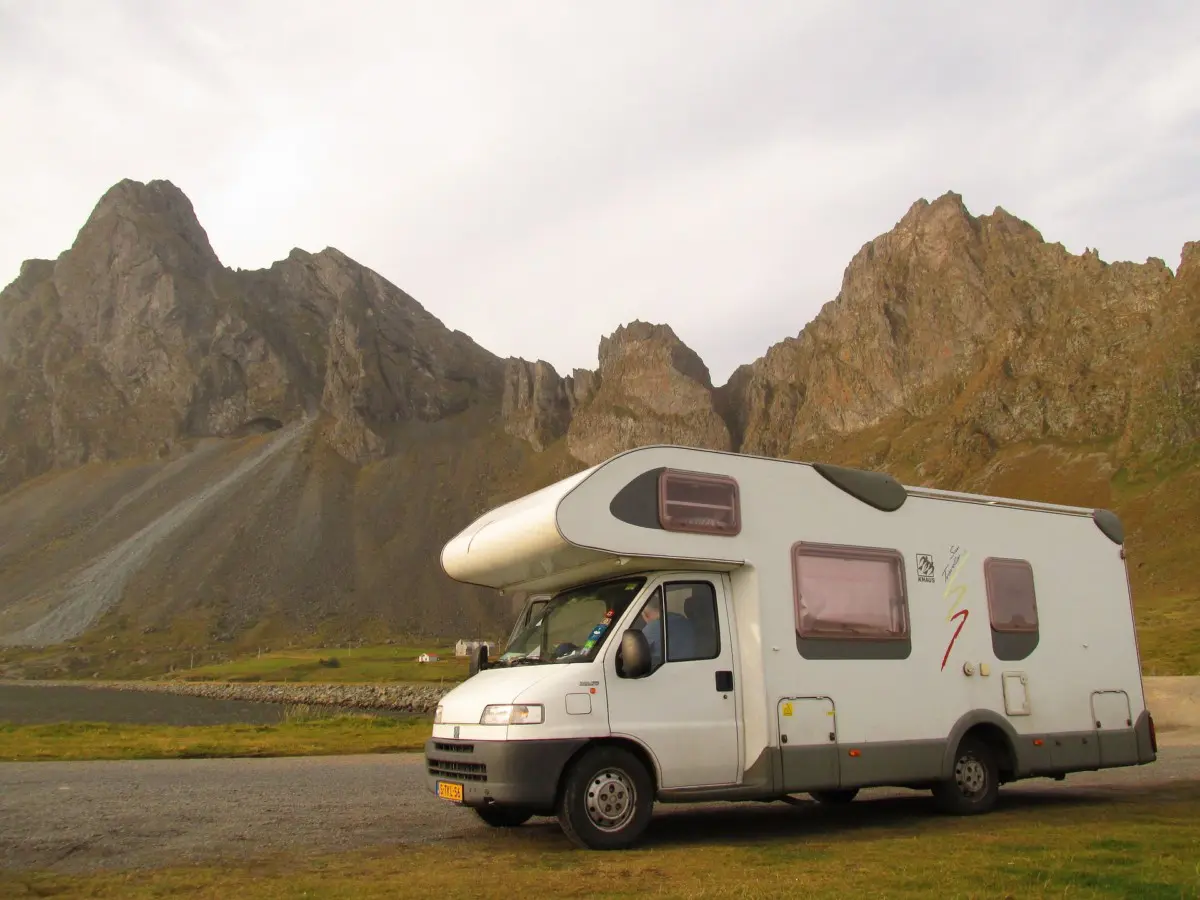
From the moment you pick up your keys, whether from a campervan hire Auckland adventurers trust or another starting point, you’re not just renting a vehicle; you’re gaining a mobile home that unlocks the breathtaking landscapes of Aotearoa. And with that privilege comes the responsibility to care for both your living space and the surrounding environment.
Are you planning to hit the road soon? Here are some expert-backed tips to help you manage everyday cleaning and responsible waste disposal so that you can focus on what really matters: enjoying the drive.
1) Anticipate Cleaning Challenges with Route Planning
Spontaneity is part of the charm of campervan travel, but that doesn’t mean leaving everything to chance. The more remote your destination, the more crucial it becomes to plan ahead for hygiene and waste disposal. New Zealand’s wild beauty often comes with limited facilities, particularly along scenic routes like the East Cape or Fiordland.
Before heading off, mark out stops for refilling water tanks, topping up supplies, and emptying waste responsibly. Apps like CamperMate and other travel apps can help you locate dump stations and service points en route. If you’re travelling off-grid, pack biodegradable cleaning products, hand sanitiser, extra bin liners, and a doormat to reduce dirt transfer. A compact drying line is also helpful, especially if rain is in the forecast.
You might be surprised how big a difference small preparations can make. With a little forward thinking, you’ll be equipped to keep your space clean and comfortable, wherever the road takes you.
2) Know How to Manage Greywater and Toilet Waste Properly
Waste disposal might not be the most glamorous part of your campervan journey, but it’s essential for protecting New Zealand’s natural beauty. The country enforces clear regulations to safeguard its ecosystems, and ignoring them can result in serious fines, or worse: lasting environmental harm.
Start with your setup. If your camper is self-contained, make sure it complies with NZS 5465 certification and that all tanks are in good working condition. Greywater from sinks and showers must be emptied at designated dump stations only. These facilities are clearly signposted and easily located using travel apps like CamperMate. It’s important to remember that releasing waste into storm drains or onto the ground is prohibited, even in remote areas.
Travellers using portable toilets should prioritise secure storage and regular cleaning. Seal the lid tightly while on the move and pack gloves along with a biodegradable disinfectant to stay hygienic throughout your trip.
Caring for your surroundings isn’t only about meeting regulations but also a way of respecting the places that make the journey worthwhile. Stay mindful of your impact so future travellers can enjoy the same untouched landscapes.
3) Reduce Kitchen Waste and Single-Use Plastics
Cooking on the road saves money and makes the journey more rewarding, but poor habits can pile up waste fast. With a few conscious tweaks, you can cook well and tread lightly.
Equip your van with reusable food containers, cutlery, and shopping bags. Beeswax wraps or silicone lids are great alternatives to cling film. When stocking up, go for loose produce and bulk pantry staples to limit packaging. Compostable bags help manage food scraps, while stackable bins make recycling easier on the go.
Once you’re stocked and organized, be mindful about where your waste ends up. Public bins aren’t always designed for camper use, especially in remote areas with limited infrastructure. Instead, hold onto rubbish until you reach a designated facility. These simple shifts go a long way in protecting the places you came to enjoy.
4) Keep the Outdoors from Coming In
After a long hike or day at the beach, it’s easy for your camper to start looking more like a sandpit or mudroom. Keeping the inside clean is less about constant scrubbing and more about smart habits that minimise mess before it builds up.
Lay a sturdy mat outside your door and keep a broom or brush within reach. A “no shoes inside” policy helps a lot. For sandy feet, a rinse tub will be especially helpful. If you’re travelling with kids or pets, designate a space for wet gear and towels so moisture doesn’t creep across your living area.
A little prevention goes a long way. Keeping your space clean makes cooking, sleeping, relaxing, and simply living the moment far more enjoyable, even when nature is doing its best to come along for the ride.
5) Stay on Top of Laundry and Linen Hygiene
Clean clothes and fresh bedding might not sound like a priority when you’re planning your route, but after a few days on the road, they quickly become essential. A damp towel or musty duvet can turn a dreamy night’s sleep into a miserable one.
Many campsites and holiday parks offer coin-operated laundromats, so take advantage of them whenever you can. Between washes, air out your linens and towels using a travel clothesline or by hanging items over the rear doors while parked. Quick-dry, odour-resistant fabrics keep things simple, and breathable laundry bags help prevent unwanted smells.
Keeping your linen fresh may not be the highlight of your journey, but it makes a big difference. Even in the most remote spots, a dry towel and clean bedding offer comfort that will help you recharge.
A clean and well-managed campervan isn’t just more pleasant; it’s a reflection of your respect for the land you’re exploring. Plan ahead, anticipate your needs, make thoughtful choices, and treat your mobile home with care, and you’ll be setting yourself up for smoother, more memorable travels. Get out there and embrace the freedom the open road offers, but remember to leave no trace behind.