
Table of Contents
This is a collaborative post.
Sustainable products aren’t just a trend—they’re a necessity. As consumers become more conscious of what they buy, businesses are shifting their strategies toward ethical and eco-friendly solutions. One product that continues to rise in popularity is the custom printed tote bag. Whether you’re a small business owner, an owner of a boutique brand, or someone running an eco-conscious online store, adding custom-printed totes to your product line can boost your visibility, deepen brand connection, and promote environmental responsibility. But where do you start? In this article, we’ll walk you through what you need to know before launching your own line of printed tote bags—from understanding materials to picking the right design and sourcing the best suppliers.
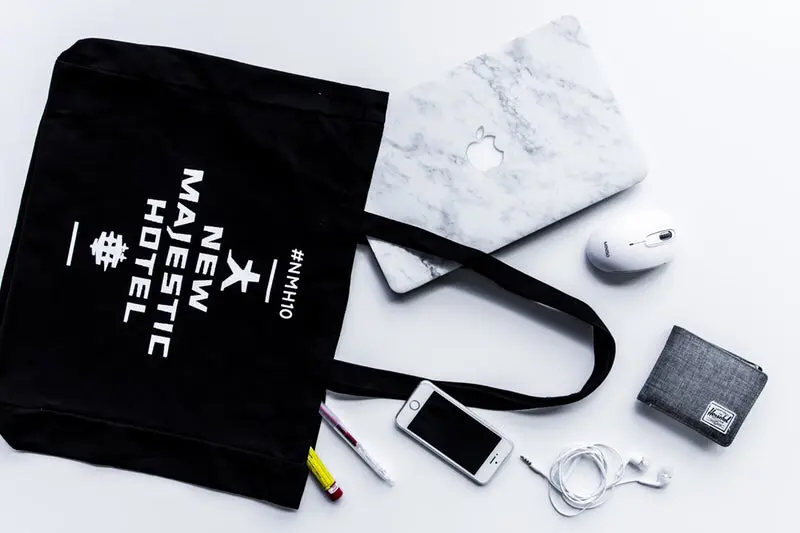
The Growing Demand for Custom Tote Bags
Reusable tote bags have evolved from grocery store essentials to coveted lifestyle accessories. Their appeal lies in their versatility. People use them for shopping, commuting, beach days, or simply making a statement.
The shift away from single-use plastics has only accelerated their popularity. Consumers want to support businesses that reflect their values, and products like branded tote bags offer both practicality and purpose.
By offering custom printed totes, you’re not just selling a bag. You’re giving customers a way to carry your brand with them—literally.
Material Matters: Choosing the Right Fabric
Before you think about printing, start with the foundation: the bag itself.
Cotton, canvas, and recycled PET (rPET) are common choices. Cotton is breathable and biodegradable, making it ideal for lightweight everyday use. Canvas offers durability and a sturdier texture, which many customers love for their day-to-day needs. Recycled PET, made from post-consumer plastics, is gaining attention for its sustainability and water-resistance.
It’s important to consider not just the look, but the ethics. Sourcing certified organic cotton or Fair Trade-approved materials shows customers you walk the talk. Certifications like GOTS (Global Organic Textile Standard) or OEKO-TEX can help build trust, especially if your audience values transparency.
Printing Techniques: What’s Right for Your Brand?
Now comes the creative part—bringing your designs to life. But printing is not one-size-fits-all.
Screen printing is one of the most common methods. It’s great for bold designs and larger print runs, but it may require higher minimum orders. Heat transfer printing allows for more detailed graphics but may wear faster over time. Direct-to-film (DTF) technology is becoming a go-to for vibrant, long-lasting prints on textiles, especially when working with blended fabrics.
Using a high-quality DTF printer like the Prestige R2 Pro DTF printer ensures crisp detailing, vibrant color reproduction, and durability wash after wash. This is especially important if you’re launching a premium product or expect heavy use from your tote bags.
Each printing method has its pros and cons. The best approach depends on your budget, your quantity, and the complexity of your artwork.
Design Tips That Resonate
Designing a tote bag isn’t just about adding your logo—it’s about storytelling. Your tote should communicate your brand personality in a simple glance.
Do you represent a minimalist wellness brand? Stick to calming colors and clean fonts. Are you part of a bold, feminist fashion line? Explore striking typography or artwork that makes a statement.
Avoid overdesigning. Many of the most beloved tote bags are simple, with one strong message or image that pops. Make sure your designs are scalable, meaning they look good on different bag sizes, and choose ink colors that contrast well with your fabric choice.
Subtle touches like inside tags or a small mission statement on the back of the bag can also elevate your tote from ordinary to memorable.
Pricing and Profitability: Crunching the Numbers
Let’s talk about the numbers. Pricing custom totes depends on material, quantity, and printing technique.
On average, expect to pay anywhere from $2 to $10 per bag in bulk, depending on quality and customization. Higher-end organic or Fair Trade bags may cost more—but you can position them as premium ethical products and price them accordingly.
Retail prices for custom printed totes can range from $12 to $35 or more, especially for limited-edition designs or collaborations. Don’t forget to factor in shipping, storage, and design costs.
Margins tend to be healthy, particularly if you integrate tote bags into bundles or use them as gift incentives. Consider offering discounts for multi-bag purchases or loyalty perks to increase cart value.
Finding the Right Supplier
Working with the right supplier makes all the difference. Look for vendors who align with your values and can meet your customization needs. A good supplier should offer transparency about materials, ethical certifications, and print quality.
Some businesses choose to go local to reduce carbon footprint and gain more control over inventory. Others work with international partners who offer better pricing but require larger minimum orders.
When vetting suppliers, ask for samples. Check stitching, fabric thickness, ink quality, and print alignment. Look into customer reviews and their return policies as well.
Sites like Faire, Printful, and EcoEnclose offer varying degrees of customization, ethical sourcing, and on-demand printing.
Marketing Your Tote Bag Line
Once your tote bags are ready, how do you get them into people’s hands?
Start with your audience. Use social media to show the creation process—from sketching the design to unboxing the first print run. People love behind-the-scenes content because it builds anticipation and connection.
You could launch with a limited-edition series, collaborate with influencers, or tie the product release to a campaign (like Earth Day or Plastic-Free July). Consider bundling a tote bag with other products, or offering it as a reward for referrals or email sign-ups.
Encourage your customers to share their bags in action using a branded hashtag. User-generated content is a powerful trust builder, especially when starting out.
Mistakes to Avoid
As exciting as this venture is, be careful not to rush in blindly.
Many brands make the mistake of choosing the cheapest option, only to regret poor stitching or fading prints. Others order in bulk before testing the market—only to find the designs didn’t resonate.
Start small. Gather feedback. Offer a pre-order or a limited launch to gauge interest.
Above all, stay true to your brand. If your message is sustainability, make sure every part of your tote bag—from the ink to the packaging—reflects that.
A Small Product with Big Potential
Adding custom printed tote bags to your product line isn’t just a savvy business move—it’s a step toward more conscious commerce.
These custom printed totes carry more than groceries or books—they carry values, identity, and impact. Whether you’re a solo founder or a growing brand, investing in tote bags means investing in something that lives beyond a single transaction.
So take your time. Source thoughtfully. Design with purpose. And give your customers something they’ll be proud to carry.