
Table of Contents
This is a collaborative post.
Sustainability in urban areas is essential for ensuring a balanced and healthy environment. Sustainable cities address environmental concerns as well as economic and social challenges. So in this blog post, I want to explore with you: what makes a city truly sustainable, focusing on green spaces, renewable energy, waste management, urban planning, transportation, local economies, housing, community engagement, and health – so all the important issues.

Defining Sustainability in Urban Contexts
Sustainability means meeting present needs without compromising future generations. This concept extends to balancing environmental, economic, and social aspects in cities. So, what makes a city sustainable? It involves reducing environmental impact, supporting economic growth, and promoting social equity. Sustainable cities focus on green infrastructure, renewable energy, and efficient resource management.
Urban sustainability also means creating a livable environment for all residents. This includes access to public transportation, affordable housing, and green spaces. Cities must also address social issues like inequality and health care. The United Nations’ Sustainable Development Goals (SDGs) highlight the importance of sustainable cities. Particularly, Goal 11 aims to make cities inclusive, safe, resilient, and sustainable. By prioritizing these areas, cities can achieve a balanced approach to sustainability.
 Economic Sustainability

Economic sustainability ensures that cities remain financially viable and resilient. It includes sustainable urban planning, green transportation, and support for local economies.
Sustainable Urban Planning and Development
Urban planning is vital for creating sustainable cities. Smart growth strategies and zoning laws encourage mixed-use developments and walkable neighborhoods, reducing the need for long commutes. Curitiba and Vancouver are examples of cities that use effective urban planning. These cities prioritize sustainable development, ensuring that new buildings and infrastructure support long-term environmental and economic goals.
Sustainable Transportation Systems
Efficient public transportation networks are crucial for reducing traffic congestion and lowering emissions. Cities like Amsterdam and Zurich excel in providing robust transportation systems, including buses, subways, and trams. Promoting cycling and walking also contributes to sustainability. In addition, innovations like bus stops that work on solar power do a great job of making the future of transportation more eco-friendly. These advancements demonstrate a commitment to sustainable urban development.

Local Economy and Green Jobs
Supporting local businesses and creating green jobs are essential for economic sustainability. Circular economies, where waste is minimized, and resources are reused, foster local economic resilience. Cities like Portland and Barcelona are known for their thriving local economies and green job initiatives. These efforts ensure that the economic benefits of sustainability are shared widely, promoting social equity and long-term prosperity.
Environmental Sustainability
Environmental sustainability focuses on reducing a city’s ecological footprint. It involves promoting green spaces, renewable energy, and effective waste management.
Green Spaces and Biodiversity
Green spaces such as parks, gardens, and roofs are crucial to urban sustainability. They provide residents with recreational areas, improve air quality, and support biodiversity. Cities like Singapore and Portland are known for their extensive green spaces. Green roofs, in particular, are beneficial as they help manage stormwater, reduce heat, and provide insulation. The benefits of green roofs are well-documented, showing their positive impact on urban environments.
Renewable Energy and Energy Efficiency
Renewable energy is a cornerstone of sustainable cities. By adopting solar, wind, and hydro energy sources, cities can reduce their carbon footprint and promote energy independence. Reykjavik and Copenhagen are leaders in renewable energy use. Solar panels, for instance, bring energy independence to many urban areas, reducing reliance on fossil fuels. Additionally, energy-efficient buildings and technologies help lower energy consumption and costs.
Waste Management and Recycling
Effective waste management is essential for maintaining a clean and healthy urban environment. Cities like San Francisco and Tokyo have implemented successful recycling programs, significantly reducing landfill waste. Composting and zero-waste initiatives further support sustainable waste management practices. These cities demonstrate how proper waste management can lead to more sustainable urban living.

Social Sustainability
Social sustainability aims to create inclusive and equitable urban environments. It prioritizes affordable housing, community engagement, and access to health services.
Affordable Housing and Social Equity
Affordable housing is a critical component of social sustainability. Ensuring all residents can access safe and affordable housing helps reduce social inequality. Cities like Vienna and Singapore have implemented successful affordable housing policies, providing models for other urban areas. Social equity initiatives ensure sustainable development benefits all residents, not just a privileged few.

Community Engagement and Participation
Community engagement is vital for sustainable urban development. Involving residents in planning and decision-making processes ensures their needs and preferences are considered. Cities like Seoul and Melbourne have strong community participation programs, empowering residents to contribute to their city’s sustainability efforts. This engagement fosters a sense of ownership and responsibility among residents.
Health and Well-being
Access to healthcare and healthy living environments is crucial for social sustainability. Cities that prioritize health services, mental health support, and social networks create a supportive environment for their residents. Stockholm and Ottawa are cities that focus on health and well-being, offer comprehensive healthcare, and promote healthy lifestyles. Ensuring residents’ physical and mental well-being is fundamental to a sustainable city.

What Makes a City Sustainable: Challenges and Solutions
Achieving urban sustainability comes with several challenges. However, innovative solutions can help overcome these obstacles.
Here are some common challenges and potential solutions:
- Sustainable projects can be costly. Governments and private sectors must invest in green infrastructure. Public-private partnerships can provide necessary funding.
- Changes in policy and leadership can affect sustainability efforts. Consistent advocacy and community support are crucial. Educating policymakers about long-term benefits can help.
- Some cities lack access to advanced technology. Investing in research and development is essential, and sharing technology and best practices can bridge the gap.
Cities can learn from successful examples. For instance, Copenhagen has invested heavily in renewable energy and efficient public transport. San Francisco’s waste management system is a model for zero-waste initiatives. These cities demonstrate that challenges can be met with innovative and committed approaches. Urban areas can move towards a more sustainable future by focusing on sustainable policies, technology, and community involvement. Overcoming these challenges ensures that cities remain livable and resilient for future generations.
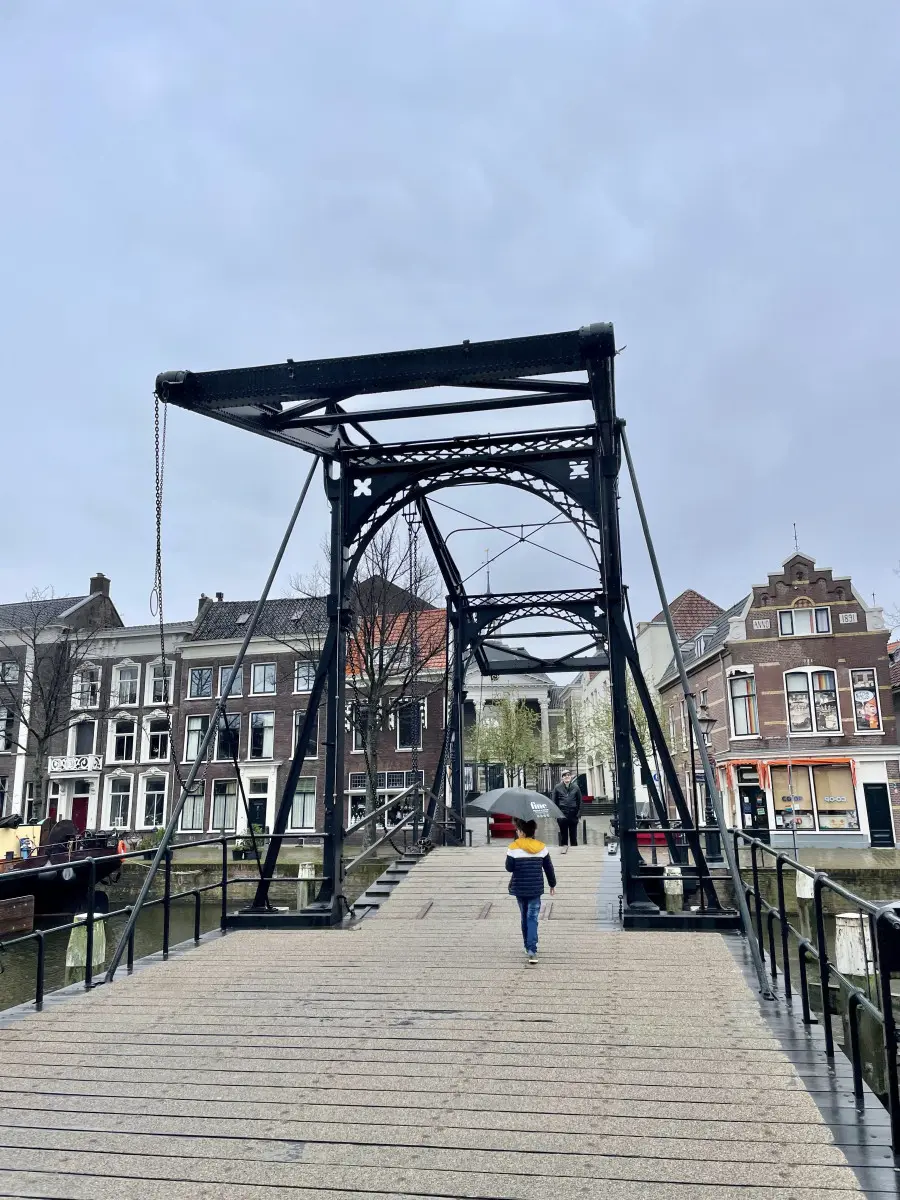
The Path to Sustainable Cities
Understanding what makes a city sustainable means considering environmental, economic, and social factors. Green spaces, renewable energy, and efficient waste management are crucial. Urban planning, sustainable transportation, and local economies also play significant roles. Affordable housing, community engagement, and health services are essential, too. Focusing on these areas ensures the future is eco-friendly and livable for all. Everyone must support and advocate for green initiatives and responsible development to create sustainable cities.