
Table of Contents
This is a collaborative post.
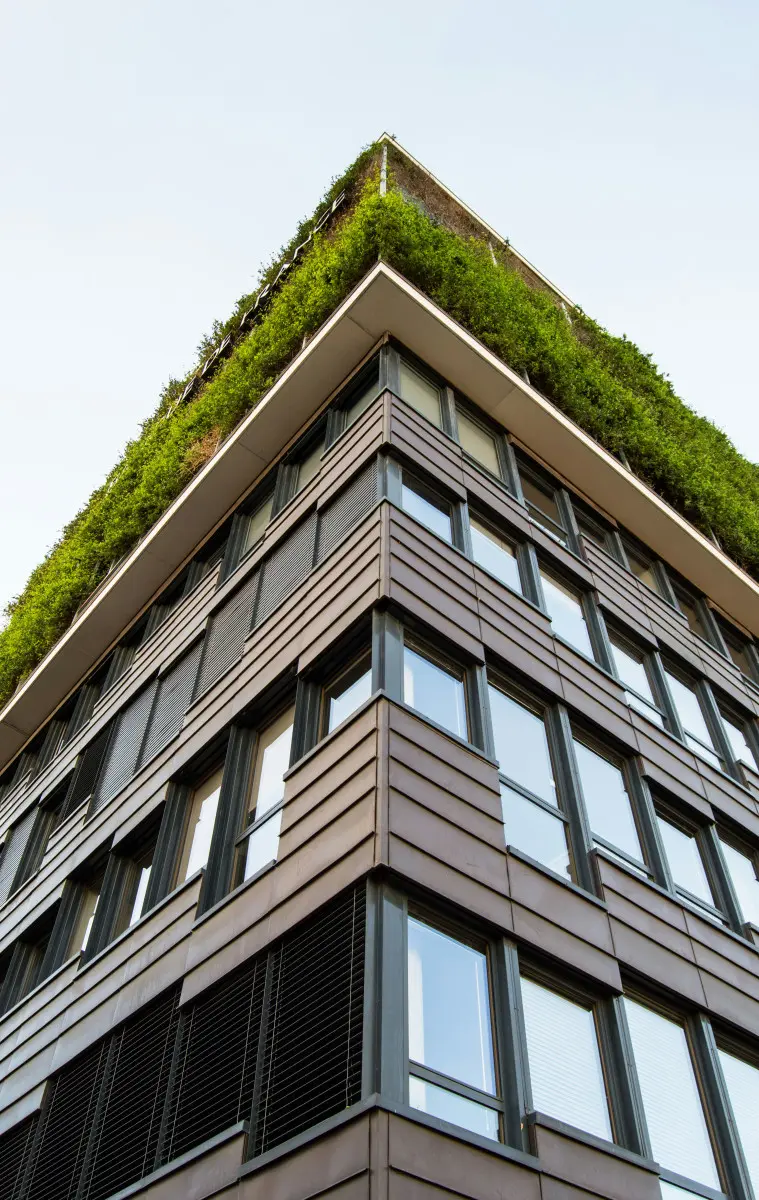
Green roofs, also known as living roofs, are an innovative and environmentally friendly solution that combines architecture, engineering with ecology. These roofs are covered with live plants and are designed to integrate nature into urban spaces. Roofers in Boston ID Flat Roof are increasingly adopting green roofs due to their many benefits, which include environmental, economic, and aesthetic advantages. In this article I will explore the different benefits of green roofs, and talk about how they can enhance urban living while also providing sustainable solutions.
What is a Green Roof?
Understanding Green Roofs
A green roof is a building system where vegetation is planted on a rooftop. There are a couple of different types of green roof systems: extensive, intensive, and semi-intensive. For those interested in more detailed information about green roofs, ID Flat Roof provides comprehensive resources and services.
- Extensive Green Roofs: These are characterized by shallow soil layers and low-maintenance plants, such as sedums, mosses, and grasses. They are lightweight and typically used on flat or low-sloped roofs.
- Intensive Green Roofs: These are more complex, with deeper soil layers that support a wider range of plants, including shrubs and small trees. They require more maintenance and structural support but offer greater biodiversity.
- Semi-Intensive Green Roofs: A hybrid of extensive and intensive systems, these roofs have moderate soil depth and plant variety.
Components of a Green Roof
Green roofs generally consist of several layers:
- Root Barrier: Prevents roots from penetrating the building structure.
- Drainage Layer: Ensures proper water runoff and prevents waterlogging.
- Filter Fabric: Keeps soil in place while allowing water to drain through.
- Growing Medium: Supports plant growth and can vary in depth depending on the roof type.
- Vegetation: The final layer consists of plants
Environmental Benefits of Green Roofs
Reducing Urban Heat Island Effect
One of the most significant environmental benefits of green roofs is their ability to mitigate the urban heat island effect. As you might know already, urban areas often experience higher temperatures compared to rural areas. Green roofs can help to cool the environment by absorbing sunlight and reducing the amount of heat retained by traditional roofing materials. The vegetation on green roofs also cools the air through evapotranspiration (this is what it’s called when plants release moisture back into the atmosphere).
Improving Air Quality
Green roofs contribute to a better air quality by filtering pollutants and absorbing carbon dioxide. Plants on green roofs capture airborne particles and help to reduce levels of nitrogen-dioxide, sulphur-dioxide, and more. This contributes to a healthier urban environment and can help alleviate respiratory issues among residents.
Managing Stormwater
Green roofs aren a great way to manage in stormwater better. By absorbing and retaining rainwater, they reduce the volume and speed of runoff, which helps to prevent flooding and reduces the burden on stormwater drainage systems. This can lead to fewer combined sewer overflows and less pollution in local waterways.
Enhancing Biodiversity
Green roofs provide habitat for various species of birds, insects, and plants. They create green spaces in urban areas where wildlife can thrive. This supports biodiversity by offering alternative habitats and food sources for pollinators and other species that are often displaced by urban development.
Economic Benefits of Green Roofs
Reducing Energy Costs
Green roofs can lead to significant energy savings. They provide natural insulation, which helps to regulate indoor temperatures. In the summer, the vegetation on a green roof acts as a cooling layer, reducing the need for air conditioning. In the winter, the insulating properties help to retain heat, which can lower heating costs. This results in reduced energy consumption and lower utility bills for building owners.
Extending Roof Lifespan
Traditional roofing materials can degrade over time due to exposure to harsh weather conditions. Green roofs protect the underlying roofing materials from UV rays, temperature fluctuations, and physical damage. This can extend the lifespan of the roof by up to 50 years or more, reducing the need for frequent repairs or replacements.
Aesthetic and Social Benefits of Green Roofs
Enhancing Urban Aesthetics
Green roofs transform bland, utilitarian rooftops into vibrant, green spaces. They provide visual appeal and create pleasant environments for building occupants and passersby. Rooftop gardens and living roofs offer unique opportunities for creating recreational spaces, such as rooftop parks, gardens, or terraces, which can improve the quality of life in urban areas.
Promoting Community Well-being
Green roofs contribute to the well-being of urban residents by offering green spaces where people can relax and connect with nature. They provide opportunities for community gardening, education, and social interaction. Green roofs can also reduce noise pollution by acting as sound barriers, creating quieter and more serene urban environments.
To Sum Up
Green roofs offer a range of benefits that make them an attractive option for sustainable urban development. From environmental advantages such as reducing the urban heat island effect and improving air quality to economic benefits like lowering energy costs and extending roof lifespan, green roofs provide a valuable solution for modern cities. Additionally, their aesthetic and social contributions enhance urban spaces, promote community well-being, and support sustainable development goals.