
Table of Contents
This is a collaborative post.
A trek to somewhere like K2 Base Camp is not the kind of trip you book casually. At least, it should not be. This is not a soft walking holiday with a comfortable hotel waiting at the end of each day. It is remote, physical, and often uncomfortable. The weather can shift quickly. The days can feel long. The altitude can make simple things, like eating, sleeping, and getting warm, feel harder than expected.
And still, that is exactly why people want to go.
There is something about big mountain landscapes that pulls people in. The space. The silence. The feeling of being very small, but very awake. You start paying attention to things you normally ignore. Your breath. Your water bottle. The sound of boots on stone. The way clouds gather around a ridge in the afternoon.
But places like this are not just dramatic settings for personal adventure. They are fragile environments and human landscapes. People live, work, guide, cook, carry, farm, trade, and travel through these regions. The mountains may look wild to a visitor, but they are not empty.
That is why responsible planning matters.
Not perfectly. Nobody travels perfectly.
But carefully.
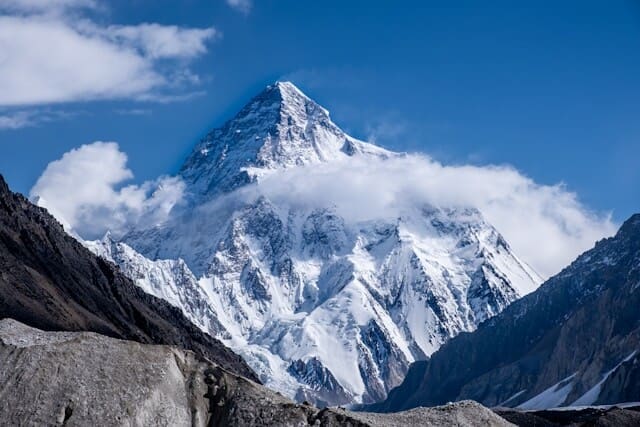
Start by being honest about the trek
Some trips are forgiving. If you forget something, you can buy it nearby. If you are tired, you can skip a day. If the weather turns, there may be a quick way back to comfort.
Treks in places like K2 Base Camp are different. The remoteness changes things. Decisions carry more weight. A small mistake at home can become a real problem on the trail.
Before you book, understand what the trek involves. How many hours will you walk each day? What kind of terrain will you cross? How high will you go? How cold can it get? What happens if someone gets sick? What happens if the weather delays the group?
These are not boring details. They are on the trip.
It is easy to fall in love with the idea of the place first. Most of us do. A photo catches your attention, and then you start imagining yourself there. But the real experience is not a photo. It is tired legs, dust, cold mornings, basic toilets, simple meals, changing plans, and long stretches where you just have to keep going.
That can be wonderful.
It can also be hard.
Both things can be true.
Choose an operator who takes responsibility seriously
Your trekking operator matters more than many people realize.
They are not just arranging logistics. They are shaping how your trip affects local workers, communities, trails, campsites, and waste systems. A good operator should be able to explain how they look after their team and how they reduce harm along the route.
Ask simple questions. Who guides the trek? Are local staff employed? How are porters treated? What kit and support do staff receive? What happens to rubbish? How large are the groups? What safety plans are in place?
You do not need to interrogate anyone, but you should not feel awkward asking either.
A responsible company will usually welcome those questions. They know the answers because those things are already part of how they work.
Be careful with prices that seem unusually low. Everyone likes a good deal, but in remote trekking, cheap can mean something has been squeezed out of the experience. Sometimes that is staff pay. Sometimes it is food, equipment, safety planning, or environmental care.
That does not mean the most expensive trip is automatically the best one. It just means the cheapest trip may not be the bargain it appears to be.
For demanding routes, it helps to compare how operators describe the realities of the journey, not just the views. A well-planned K2 base camp trek should make preparation, safety, local support, and environmental care feel like part of the experience from the start, rather than an afterthought.
Look for transparency. Look for local knowledge. Look for a company that talks about safety and responsibility in plain language, not just adventure and scenery.
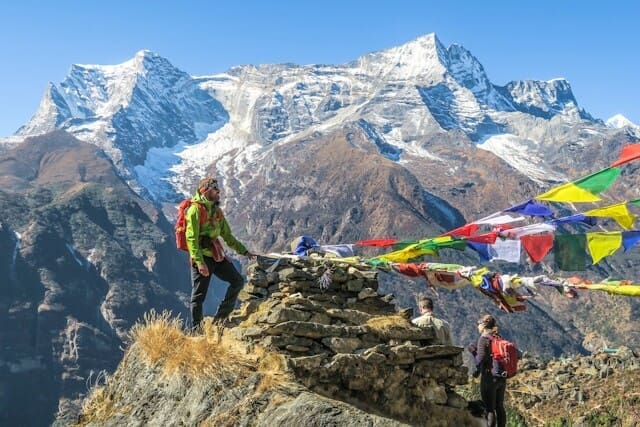
Train before you go
It is tempting to think general fitness will be enough. Sometimes it is. Often it is not.
High-altitude trekking asks for a particular kind of stamina. You may be walking for many days in a row, over rough ground, with early starts and limited recovery. Even if you are not carrying a heavy pack, your body is still working hard. Add altitude, cold, poor sleep, or reduced appetite, and things can feel different very quickly.
Train with that in mind.
Walk uphill. Practice long days. Wear the boots you plan to take. Carry your daypack. Test your layers in bad weather. Learn what snacks actually sit well in your stomach when you are tired. It sounds small, but small things matter after several days on a trail.
A blister is not just a blister when you still have days of walking ahead.
Preparation is not about proving you are tough. It is about making the trek safer and easier for everyone around you. If you arrive underprepared, guides and support staff may need to spend extra energy helping you manage problems that could have been avoided.
And honestly, that is not very responsible.
Expect discomfort
A responsible trekker is not someone who never struggles. Everyone struggles at some point.
The difference is how prepared you are for it.
In remote trekking regions, comfort can be limited. Food may be repetitive. Washing may be basic. Nights may be cold. You may sleep badly. You may miss your usual routine. The weather may block the view you had been waiting for.
There may be a day when you wonder why you signed up.
That is normal.
The problem starts when people arrive expecting a wilderness experience to feel smooth and controlled. Remote places do not work that way. They ask for patience. They ask for flexibility. They ask you to stop treating every inconvenience as a failure.
A warm drink can become a luxury. Dry socks can change your mood. A patch of sun outside the tent can feel like a gift.
You notice these things more when the usual comforts are gone.
Maybe that is part of the reason people come back changed.
Take altitude seriously
Altitude does not care how fit you are.
That is worth remembering. Strong hikers, runners, and climbers can still feel the effects. Headaches, nausea, dizziness, poor sleep, unusual tiredness, and loss of appetite should not be brushed aside. If symptoms get worse, continuing can be dangerous.
Before you go, learn the basics. Know what altitude sickness can feel like. Understand why acclimatization days matter. Check that the itinerary does not rush height gain just to make the trip shorter. Make sure your travel insurance covers the altitude you will reach and includes emergency evacuation if needed.
And listen to your guide.
That sounds obvious, but people sometimes struggle with it when they are emotionally attached to a goal. They want to keep going. They want the photo. They want to finish what they started.
But good judgment is part of the trek too.
Turning back is not failure. Waiting out the weather is not a failure. Resting when your body needs it is not a failure.
The mountain will still be there.
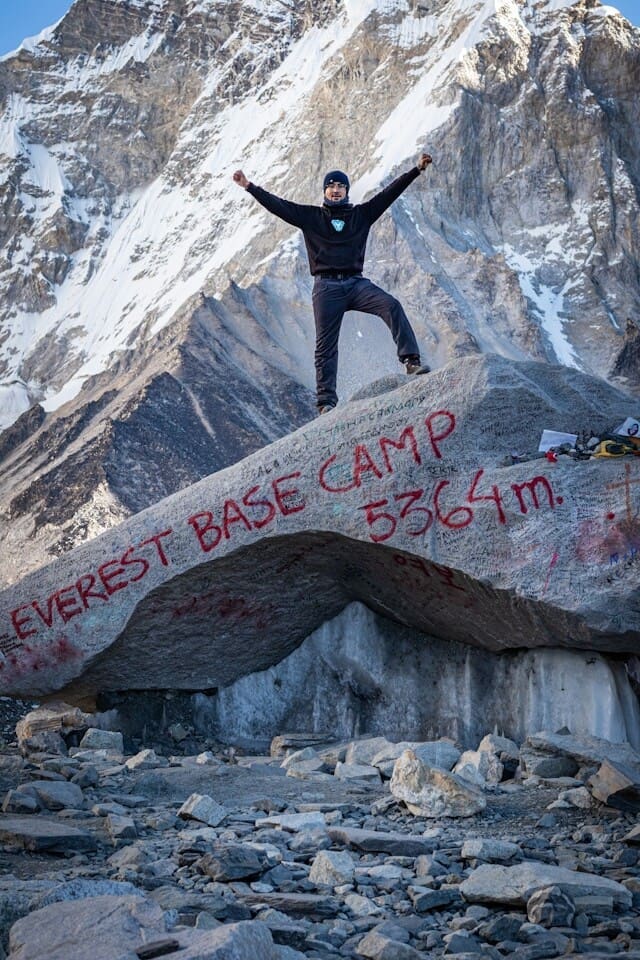
Pack with care
Packing for a trek like this is a balance. Bring too much, and you create unnecessary weight and hassle. Bring too little, and you may put yourself or others in a difficult position.
You need proper layers, waterproofs, sun protection, warm accessories, personal medication, a headlamp, a refillable water bottle or hydration system, and whatever specific gear your operator recommends. You also need to know how your kit works before the trip begins.
Do not make the first cold night the first time you understand your sleeping system.
Also, think about waste before you leave home. Remove extra packaging. Repack snacks into reusable bags where possible. Avoid disposable items that are convenient for five minutes and then become someone else’s problem for years.
Biodegradable toiletries still need care. Use them well away from water sources. Streams, rivers, and glacial meltwater are not bathrooms. They are part of the living system that people, animals, and ecosystems depend on.
A responsible pack is not about being minimalist for the sake of it.
It is about being useful, safe, and low-impact.
Carry your rubbish out
This is one of the simplest parts of responsible trekking, and somehow still one of the most important.
Carry out what you carry in.
In remote mountain regions, rubbish does not vanish. There may be no proper recycling system, no regular waste collection, and no easy transport. Waste may be burned, buried, dumped, or carried out by workers who already have more than enough to carry.
So do not leave it there.
Snack wrappers, batteries, tissues, wipes, hygiene products, broken gear, plastic bags, and food packaging should come back with you unless your operator has a proper waste system in place.
Food scraps count too. Fruit peels and nut shells may seem harmless, but they do not belong on the trail. They can attract animals and change natural behavior. They also make camps and paths feel neglected.
A small rubbish bag in your pack is not exciting.
It will not make a good photo.
But it is one of the clearest signs that you understand where you are.
Remember that the region is someone’s home
Remote does not mean empty. Wild does not mean unused. Beautiful does not mean available for whatever a visitor wants to do.
Many trekking regions are home to communities with long histories, traditions, beliefs, routines, and relationships with the land. Visitors pass through for a short time. Local people remain.
So act like a guest.
Learn a greeting. Ask before taking photos. Be aware of how you dress. Do not wander into private spaces because they look interesting. Do not treat homes, fields, religious places, or everyday routines as scenery.
Spend locally when you can. Listen when guides explain what is appropriate. Be patient when things move differently from what you are used to.
There is a habit in travel writing of calling places untouched or undiscovered. It sounds poetic, but often it is just wrong. People have known these places for generations. Visitors are not discovering them. They are being allowed to pass through.
That should create humility.
Walk softly
Big landscapes can trick you. They make your actions feel small.
One shortcut. One wrapper. One loud night at camp. One step off trail. It can feel like nothing.
But trekking impact builds through repetition. If enough people make the same small careless choice, the trail changes. Campsites become dirty. Vegetation gets damaged. Wildlife moves away. Water sources become less clean.
So stay on the trail where possible. Avoid shortcuts over fragile ground. Keep noise down. Camp where you are supposed to. Do not take stones, plants, fossils, or cultural items. Keep water sources clean. Give wildlife space.
None of this is complicated.
It just requires attention.
And maybe that is the real practice of responsible trekking. Paying attention when no one is forcing you to.