
Table of Contents
This is a collaborative post.
Nepal is home to some of the best views and experiences for visitors.
Whether it’s the sprawling Himalayan mountains, spectacular glaciers, breathtaking vistas of some of the most dense forests in the world, where you may catch some rare wildlife, or simply the heartwarming friendliness of the Nepalis or the celebrated tapestry of their rich culture, Nepal will have your heart through and through.
One of the best ways to experience all of Nepal is by trekking, but to make the most of it, you need to know the best time to go. (After all, where else would be a better place to trek?)
My guide outlines all the seasons and months you’ll enjoy trekking in this fantastic country. So, let’s find out the best time to trek in Nepal.
Why Should You Be Crucial With Timing?
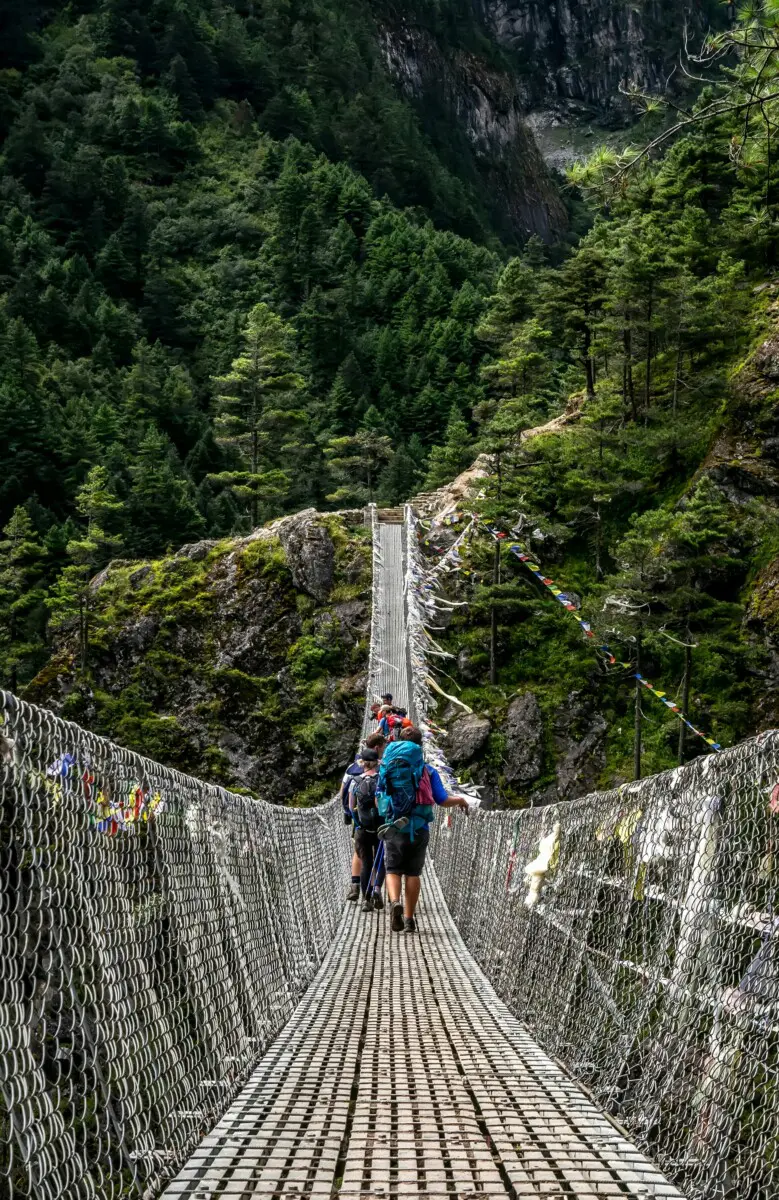
Timing is everything when it comes to trekking anywhere, but especially in Nepal. Why? Because of the country’s diverse geography and weather patterns, it can make or break your trekking, depending on when you decide to go. If you’re crucial with timing, here are a few things you get to enjoy,
1. The Best Views
Nepal’s iconic mountain ranges, like the Himalayas, are best seen during clear skies in spring and autumn. If you go trekking outside of these seasons, your views will be obstructed behind cloudy skies and limited visibility, ruining your chances of witnessing the full beauty.
2. Bypassing Harsh Weather Conditions
Trekking during the wrong season can put you smack dab in the middle of some of the most extreme weather conditions known to man. From heavy rainfall during monsoon to freezing temperatures in winter, you’ll quickly realize the mistake you’ve made.
Planning smartly with proper timing makes sure that you don’t go trekking on slippery trails, encounter potential landslides, or experience dangerous colds, making your trek safer and more enjoyable.
3. Experiencing Local Culture
Planning your trekking timing is also important if you want your trip to coincide with major Nepali festivals like Dashain or Tihar. These can indulge you in a deeper cultural experience and not to be missed.
But of course, not planning smartly on certain seasons means villages and teahouses are less populated, which could affect your social and cultural interactions along the trail. You may like either or!
4. Look At Trekking Conditions
When you don’t plan your trip around specific seasons, some trails become difficult or even inaccessible during certain times of the year due to snowfall or flooding. Less populated trails such as the Manaslu Trek are un-getable, understandably, during conditions that don’t favor the best trekking.
When you trek during ideal seasons, you make sure that most paths are open, safe, and in good condition for hiking. You’re also making the most out of your money spent on the trip.
5. Balancing Crowds and The Importance of Solitude
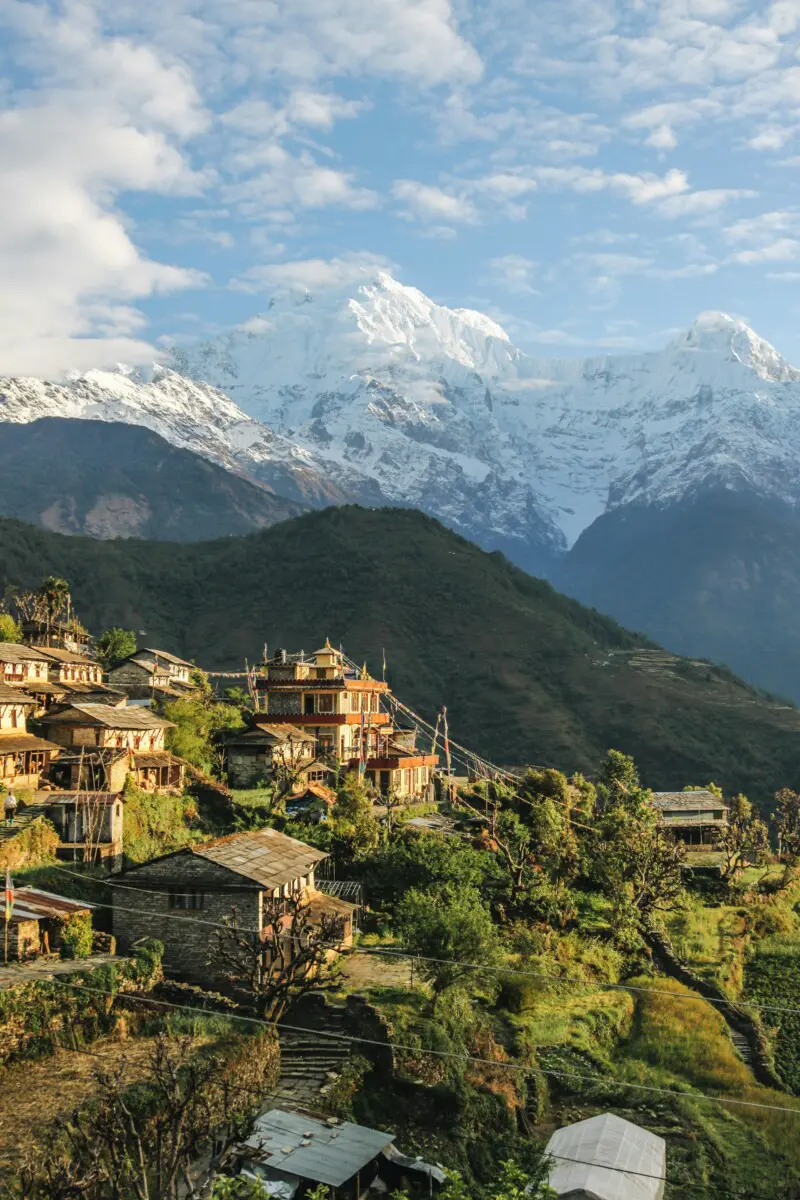
Nepal’s popular trekking routes can be very crowded during peak seasons like autumn and spring. So if you’re looking for a more peaceful experience, choosing the right time, such as trekking during the shoulder seasons, can help you avoid overcrowded trails while still enjoying pleasant weather and having a memorable trek.
6. Make The Most Out Of Your Resources
When you’re planning a trip to Nepal, while it is pretty low on costs and expenses for travelers and tourists (depending on the kind of trip you want), there is still quite some money and resources being spent. So, smart planning means you get to make the most out of your investments and reap every benefit and reward that comes your way.
Spring, The Best Season to Trek in Nepal
Falling in the months from March to May, Spring is considered one of the best seasons for trekking in Nepal.
The weather is mild and pleasant, with temperatures ranging from cool to warm depending on the altitude you reach. Trekking trails are adorned with blooming rhododendrons, and visibility of mountain views is usually excellent.
This is the ideal time to explore popular trekking routes like the popular Annapurna Circuit and Everest Base Camp.
What Can You Expect
Here are a few things you can expect when you go trekking in the springtime in Nepal.
- Temperatures range from 10°C to 25°C at lower elevations but cooler at higher altitudes. It can vary depending on the region and of course, altitudes you’re at.
- Weather is generally stable with minimal chances of rain, making it perfect for hiking on dry and hard trails and routes.
- Crowds can be moderate to high, especially in popular regions like Annapurna and Everest. This is the only catch, but depending on the kind of traveler you are, you may or may not prefer crowds.
Autumn, A Trekker’s Favorite
Autumn during the months from September to November, is popular among trekkers for being the best time for trekking in Nepal.
After the monsoon, the skies clear up and the breathtaking views of the snow-capped mountains are revealed.
The weather is perfect for trekking, with cool, sometimes chilly mornings, cozy evenings and mild daytime temperatures. As you may expect, routes like the Everest Base Camp, Annapurna Circuit, and Manaslu Trek are bustling with trekkers during this season.
What Can You Expect
Here’s what you should expect when trekking in Autumn in Nepal,
- Like, March to May, temperatures vary from 10°C to 20°C at lower elevations and cold at higher altitudes.
- The weather is great with clear skies, little chance of rain, and cool breezes with whispers of the upcoming winter excite you on your trek.
- Crowds are pretty high, especially at famous trekking routes.
Summer to Monsoon, The Challenging Seasons to Trek in Nepal
Summer means monsoon time in Nepal. Heavy rainfall makes trekking conditions difficult due to slippery trails and landslides.
Clouds often obscure the mountains, and leeches can be quite a nuisance in lower regions closer to the ground.
The only bright side to this season is the unique experience for those looking to explore less crowded routes in rain-shadow areas such as Upper Mustang and Dolpo.
What Can You Expect
See below to know what you can expect when trekking in monsoon in Nepal,
- Temperatures range from 20°C to 30°C at lower elevations, cooler higher up.
- Weather varies from frequent rain that can go from drizzles to cats and dogs pretty quick, high humidity, and cloud cover.
- Crowds are low, giving you a chance of solitude for trekkers who want off-the-beaten-path trails.
Winter, Trekking For the Brave
While winter trekking in Nepal is possible, it’s not for everyone. The temperatures can drop drastically, especially at higher elevations. While lower-altitude treks like the Ghorepani Poon Hill Trek are still accessible and trekable, high-altitude treks like the Everest Base Camp become extremely cold, and some passes may even be closed, rightfully, due to snow.
However, for those who can brave the cold and savor the chills, winter offers solitude and pristine landscapes with a lot of catches.
What Can You Expect
Check out what you can expect when you’re trekking in the winter in Nepal,
- Temperatures can get as low as -10°C or colder at high altitudes.
- The weather is obviously cold, with potential snowfall at higher altitudes.
- Crowds are unsurprisingly low, offering a peaceful trekking experience.
Permits and Accessibility
Trekking in Nepal is no doubt a rewarding experience, but we know it requires proper planning, especially when it comes to securing permits and understanding the accessibility of different trails.
Depending on where you choose to trek, there are specific rules, fees, and requirements that must be followed. We’re breaking it down below.
Types of Trekking Permits
Nepal has several permit systems to regulate trekking and protect its natural and cultural resources and heritage sites. The two most common ones are,
- TIMS Card (Trekkers’ Information Management System): This permit is required for most treks in Nepal and helps the government gauge the safety and movements of trekkers. TIMS cards are available in two types, green for independent trekkers and blue for trekkers traveling with guides or agencies.
- National Park Entry Permits: If you’re trekking through a national park or conservation area, you will need an extra entry permit. Popular trekking areas like the Annapurna Conservation Area, Sagarmatha National Park, and Langtang National Park all require permits. You can get these at the entrance of the park or in major cities like Kathmandu and Pokhara.
Conclusion
The best time to trek in Nepal depends on your personal preferences and the experience you’re looking for. While spring and autumn have the best conditions, each season adds its own unique charm (or challenge) to Nepal’s trails and routes.
Whether you want to see clear mountain views, blooming flora, or peaceful solitude, there’s a perfect trekking time for you in Nepal. Plan well, prepare for the weather, and enjoy the stunning beauty of the Himalayas.