
Table of Contents
This is a collaborative post.
The environment where you spend most of your time—your home, in other words—can play a large role in affecting your overall wellbeing.
What you see and experience on a daily basis can shape your emotional response, thought patterns, and stress levels. As this is the case, it’s essential to design your environment to uplift your mood and mental well-being, not work against it.
On top of all of that, there’s not a singular factor or variable within a home setting that can drastically affect your mental well-being. It’s something that’s influenced by multiple variables. As such, it takes proactive effort to keep one’s space in a good enough shape to sculpt a positive mindset.
If you’re curious to learn how your living space can impact your wellbeing, as well as ways in which you can improve your living space conditions to boost your mood, then you’re in the right place. This article will delve into the connection between your living space and mental well-being in a deeper light.
Let’s jump right into it.
How Physical Environment Influences Your Mental Well-being
As we’ve established, one’s physical environment plays a big role in influencing one’s mental state. This is because humans are wired to constantly perceive their surroundings as a survival mechanism.
Our environment can send signals to our brain whether a space is safe or unsafe. It can also affect our cognitive state and ability to concentrate and focus, depending on the presence or absence of stimuli.
As we’re hardwired to take in information from our immediate environment, it’s crucial to create a space that helps us feel safe, focused, and positive. Easing our natural stress response and mitigating our tendency to procrastinate and be lazy can make us more resilient, restful, and productive while inside our living space.
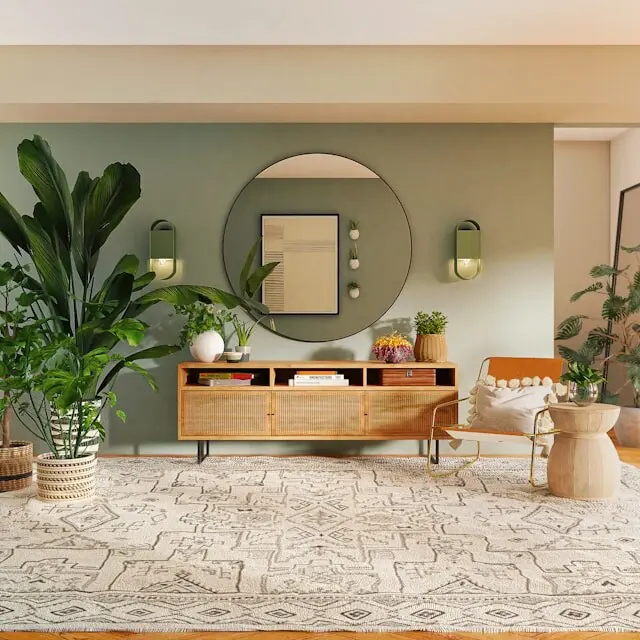
If you want to feel calm and at ease, it’s a good idea to make your space spacious and uncluttered. Choose a minimalist style and keep long corridors and central spaces clear from obstructions. Doing the opposite can make you feel restless and tense.
Moreover, you can also consider adding soft furnishings like rugs and curtains to minimise loud noises coming from outside your room. These furniture pieces can absorb sound and support a relaxed state of mind.
By making a balanced and clean space, your mental well-being will drastically improve in the process. So do try to keep your physical environment in a safe and clean state for your own mental benefits.
How Light and Air Affects Mental Well-being
As we’ve established that external stimuli have a large impact on affecting one’s mental state, let’s narrow our focus on two specific variables that make it so: this being the state of light and air within one’s living space.
Let’s first begin with light. The amount of natural light within a room can affect one’s mood quite drastically. If there’s little natural light entering the room, this can evoke feelings of restfulness and relaxation at nighttime. While this state is ideal for promoting restful sleep, it can stunt productivity during the daytime.
Furthermore, the type of light that the dwellers are constantly exposed to within the environment can also play a role in influencing mood. Natural, warm light coming from the sun can generally make people feel energised and happy. On the other hand, artificial cold light can feel quite sterile, and exposure to it during the evening can impede drowsiness.
Besides light, the air within your living space can also affect your comfort levels. If the air is stuffy and humid due to a lack of proper ventilation, this can make people inside the living space feel hot and uncomfortable. In contrast, a breezy indoor environment with cool and comfortable temperatures can make going about daily chores and relaxation much more pleasant.
Creating a home where light is optimally placed and air is well-ventilated is crucial for keeping one’s spirits in good shape.
You can start by installing a mechanical or passive vent system in key areas in your living space, like your bedroom or living room. Placing windows in strategic areas can also help ensure that your room is brightly lit during the daytime. And if you want restful sleep, blackout curtains and door seals can help bring you to that desired state of slumber.
How (EVEN) Furniture Affects Mental Well-being
Your furniture choice, subtle as it may seem, can also play a big role in either helping you feel confidently relaxed or stressed and anxious.
Everyone wants their living space to feel safe and comfortable. However, some furniture types can subconsciously evoke the opposite effect. This is primarily the case for furniture with sharp edges, rough textures, and inherently hazardous designs.
On top of that, a lack of certain furniture pieces—like rugs and carpets—can make a home feel unfinished and cold to the touch. This can make the living space feel more like a transient space rather than a place that one can truly call their own.
As this is the case, it’s crucial to be mindful of the furniture you choose to set up within your house.
If you want your home to feel cosy, soft, and safe, then it’s a good idea to invest in furniture designed with safety in mind, like Knightsbridge Furniture. If there are regions of the house that feel undone, then place a fuzzy rug or carpet over them to make them feel nice and sectioned off.
By making these touches, you’re not only improving the design and safety of your home, but you’re also making it safer for the entire family to live inside it. This can give you peace of mind knowing that your children or elderly parents won’t encounter any accidents while within your home.
How an Interior Layout Affects Mental Well-being
Another variable that can influence one’s mental state is the way everything is positioned within the space.
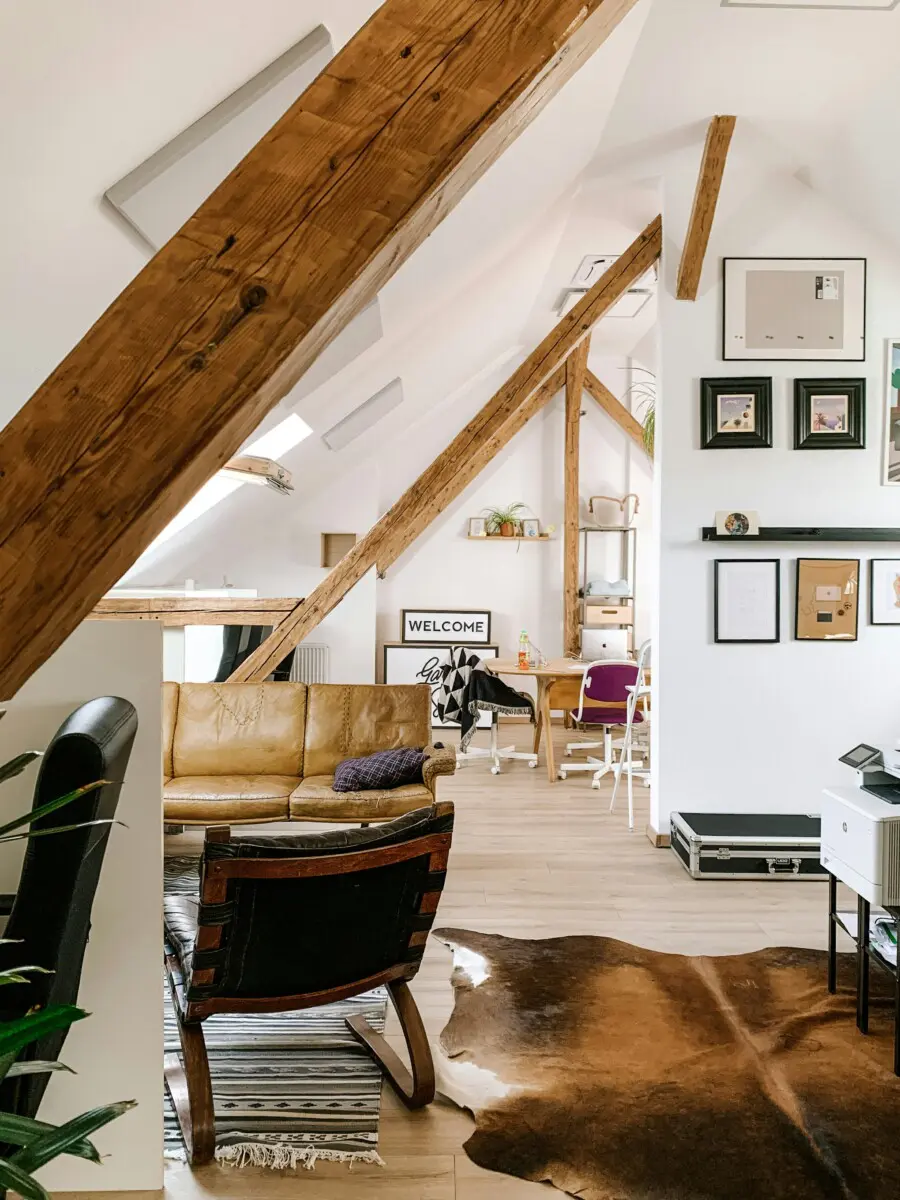
If the interior looks clean, minimalist, and thoughtfully designed, this gives the dweller a sense of pride and enough space to breathe and take it all in. They can enjoy a clearer mind and greater focus doing the various tasks they may be meaning to do.
In contrast, a cluttered layout can make a person feel stuck, paralysed, and disordered in their own headspace. The overwhelming amount of stimuli within their vision can create a constant buzz in their head, distracting them from getting things done quickly.
On top of that, a messy environment that’s perpetually uncleaned may also be reflective of one’s internal state. For instance, depressed individuals may not have the intrinsic motivation to clear out rubbish or live in a clean state, and this can lead them to live in a state.
In any case, it’s essential to be mindful of the layout and orderliness of one’s home, especially if they’re welcoming visitors. A clean home reflects a clean and happy mind, and a messy home can contribute to the opposite. And if a mental illness is getting in the way of you achieving a clean house, then it’s very important to seek out professional help to get you back on track.
We hope that we’ve helped you understand the connection between various aspects of your living space and your own mental well-being, and how you can go about improving your own personal space. All the best in achieving a good and healthy living environment!