
Table of Contents
What everyone wants from their living space is that it should be a reflection of one’s style and a place where they feel comfortable. Elevating your space doesn’t require a complete overhaul, on the contrary! It can be done just by a few switches here and changes there. Here are 4 tips to help you transform your living area into a space that truly feels like home.
1. Add Personal Touches
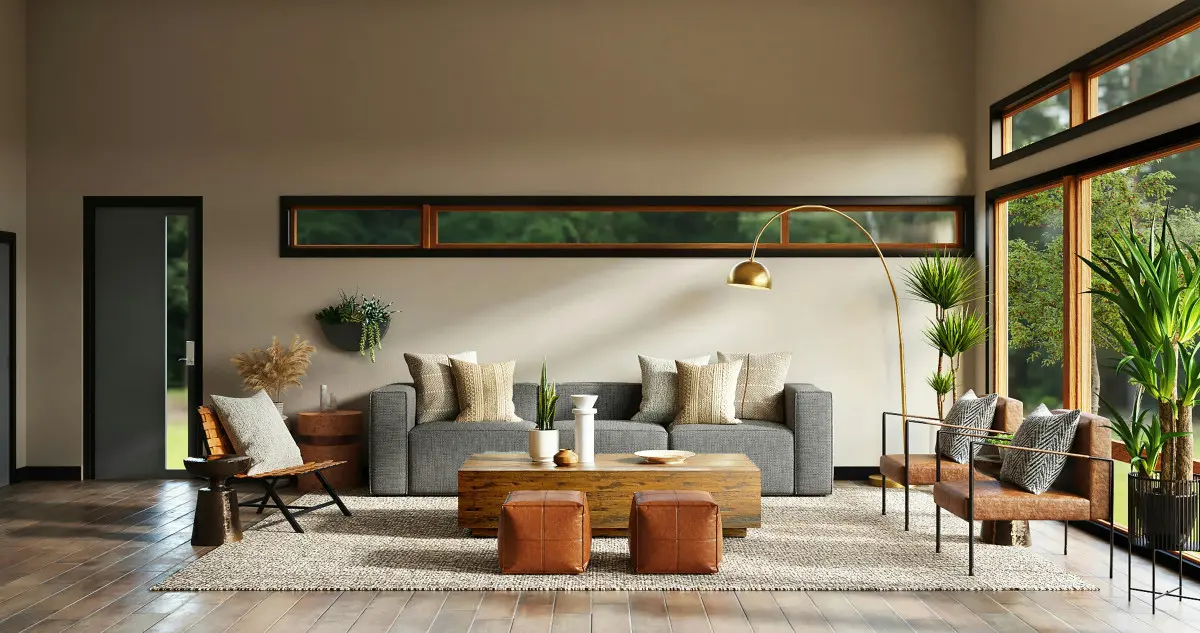
Your living space is yours truly when it reflects your personality and interests – and that’s what we all want. Display family photos, travel souvenirs or your favorite art pieces. Use textiles and décor items that resonate with you, doesn’t matter if it’s modern, rustic, or eclectic – or even a mixture of them. Don’t be afraid of fully and truly expressing yourself. When it comes to personal touch, Wall Art can transform a blank space into a showcase of your personality and interests. Personalizing your space makes it feel more comfortable and inviting, creating a true reflection of who you are.
2. Add Stylish Storage Solutions
Clutter can quickly detract from the beauty of your space. Decluttering is also good for your mental health! But rather throwing things away on a whim, incorporate stylish storage solutions to keep your stuff organized while enhancing your décor. Choose furniture with built-in storage, such as ottomans or coffee tables with hidden compartments. Open shelving can display decorative items and keep frequently used items within easy reach. Baskets and bins also add texture and can be tucked away in closets or under tables.
- Opt for Multi-Functional Furniture: Furniture that doubles as storage helps maximize space and keeps your home tidy. Consider a under bed with drawers, a sofa with a pull-out bed, or a bench with storage inside (like an ottoman). These pieces not only serve practical purposes but also contribute to the room’s aesthetic by minimizing clutter.
- Use Decorative Baskets and Trays: Baskets and trays are not just for storage – they also add to your interior decor. Use woven baskets to store magazines, toys, or blankets, and place them on shelves or under coffee tables. Trays can be used on countertops or tables to organize items like keys, remote controls, or candles, while also serving as stylish accents.
- Install Floating Shelves: Floating shelves are a versatile and attractive way to display items and create additional storage. They can be installed in most rooms in your home – living rooms for artwork, kitchens for jars and cookbooks, or bathrooms for toiletries. Choose shelves that complement your décor and arrange items thoughtfully to avoid a cluttered look.
- Incorporate Built-In Units: Built-in storage solutions, like bookcases or cabinets, can enhance both functionality and style. These units can be customized to fit your space perfectly and provide ample storage without taking up extra room. They offer a sleek, integrated look and can be designed to blend seamlessly with your existing décor, adding a touch of elegance to your home.
3. Choose a Cohesive Color Scheme
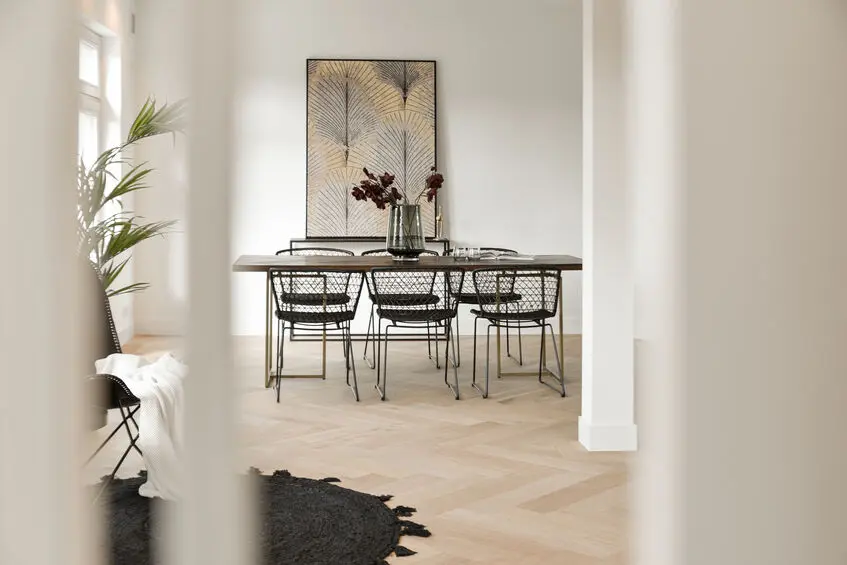
A carefully chosen color scheme can tie your space together and make it feel more harmonious. Start with a neutral base for your walls and larger furniture pieces, and then add pops of color through accessories like cushions, rugs, and artwork. Choose colors that complement each other and create a cohesive look. Don’t be afraid to experiment with different shades and patterns, but ensure they work well together to avoid visual chaos.
- Select a Neutral Base: Neutral colors like whites, greys, and beiges serve as a versatile backdrop for your space. They allow other colors and textures to stand out and make it easier to update the look without a major overhaul. Neutrals also enhance natural light and create a calming environment, setting a perfect stage for accent colors.
- Incorporate Accent Colors: Once you have a neutral base, introduce accent colors to add personality and interest. Choose two to three accent colors that complement your neutral base and use them consistently throughout the space. Accent colors can be introduced through textiles, artwork, and decorative objects to create focal points and add depth.
- Balance Warm and Cool Tones: To create a balanced and inviting atmosphere, mix warm and cool tones thoughtfully. Warm tones like reds, oranges, and yellows add energy and coziness, while cool tones like blues, greens, and purples offer tranquility and calm. Combining these tones can help achieve a balanced look that feels both dynamic and soothing.
- Use Patterns Wisely: Patterns can add visual interest and texture to your space, but they should be used sparingly to avoid overwhelming the room. Choose one or two patterns that complement your color scheme and use them in moderation. Incorporate patterns through throw pillows, rugs, and curtains to add variety while maintaining a cohesive look.
4. Invest in Quality Lighting
Good lighting is essential for creating a welcoming atmosphere. Start by layering different types of lighting – ambient, tasks, and accent. Ambient lighting provides overall illumination, task lighting focuses on specific areas like reading or cooking, and accent lighting highlights features like artwork or architectural details. Consider adding dimmers to control the mood and use a mix of ceiling fixtures, table lamps, and floor lamps to create a balanced lighting scheme.
Elevating your living space doesn’t have to be complicated. By focusing on quality lighting, stylish storage, a cohesive color scheme, and personal touches, you can create a space that feels both functional and uniquely yours. Start with these tips and watch your living space transform into a more comfortable and stylish retreat.