
Table of Contents
This is a collaborative post.
Creating a bright and airy home isn’t just about the good looking decor and stylish fabrics arranged tastefully. Good lighting is probably one of the most important things when it comes to designing your family home. It can also improve energy efficiency, lift your mood, and make daily life more comfortable for you and your family. If you want to transform your home into a brighter space (and who would’t want that?), there are a few practical and impactful ways to harness all the beautiful, natural light. Here are some great tips to help you make the most of it.
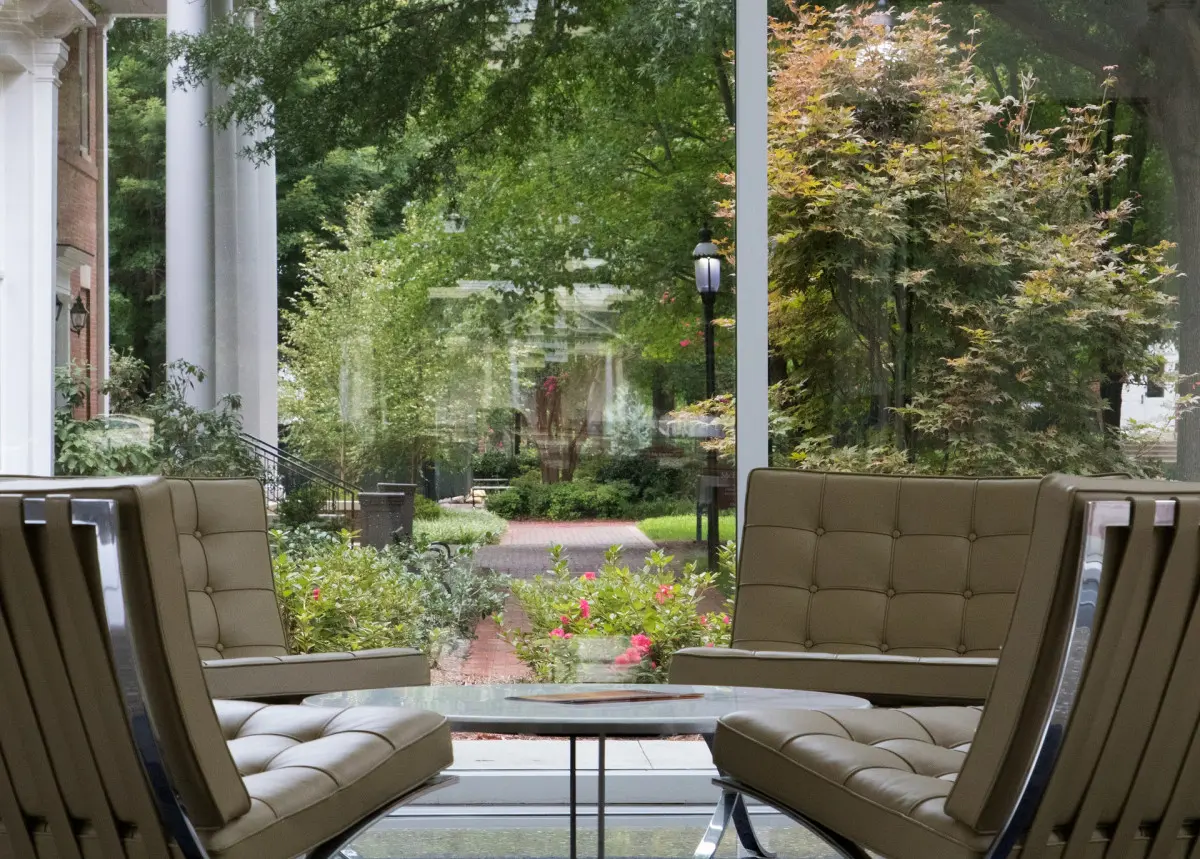
Windows and Doors
Natural light enters your home primarily through windows and doors, making them the most important features to optimise. Modern designs like bifolding doors offer a an easy way to enhance brightness. These sleek, wide-opening doors allow light to flood into your home while seamlessly connecting indoor and outdoor spaces.
Positioning is key to getting the best results. As such, look into installing bifolding doors that can make the most of sunlight, such as south-facing walls or areas overlooking your garden. Many homeowners use them in kitchens and dining spaces to create a brighter, more open feel. They also contribute to energy efficiency by minimising heat loss when paired with high-performance glass.
Paint and Decor
The colours and materials you choose for your interior play a significant role in reflecting light. White or pastel walls work particularly well, as they bounce sunlight rather than absorb it. If bright white feels too stark, opt for soft, neutral tones to maintain a warm, inviting atmosphere.
Adding mirrors is another simple trick to amplify natural light. You can position them opposite windows or near light sources to reflect sunlight deeper into the room. What’s more, you can even use decorative items like glass vases or metallic fixtures to further contribute to scattering light around.
Drive Natural Light into Hard-to-Reach Spaces
Skylights and roof windows are excellent options for rooms that lack traditional windows—such as bathrooms, hallways, or converted lofts. These features bring light into previously dim areas, making them feel more usable and pleasant.
Another alternative is to replace solid internal doors with glass-panelled ones, which allow light to flow between rooms. This technique is particularly effective in smaller, compact homes where every square metre really counts.
Managing Privacy Without Blocking Light
Balancing light and privacy is a common concern, especially for homes in busy areas. Instead of heavy curtains, consider sheer or voile fabrics, which filter sunlight while maintaining privacy. For ground-floor windows, frosted films or patterned glass are practical solutions that don’t obstruct light.
When choosing window treatments, look for options that allow some flexibility. External Venetian blinds is a good example for this, they let you adjust the angle of incoming light, giving you control throughout the day.
Outdoor Spaces Matter
Last but certainly not least – the area immediately outside your windows and doors can also affect how much sunlight enters your home. Overgrown trees or dense hedges may block light, so keep them well-trimmed. apart from that, you might want to consider paving outdoor areas with lighter coloured materials that reflect light, like pale stone or composite decking.
If you’re considering renovations, adding a sunroom or conservatory can extend your living space while boosting natural light. These structures are ideal for creating multifunctional areas where your family can relax, dine, or work.
As you can see, transforming your home into a brighter space doesn’t require major renovations. Making these adjustments can help you create a more enjoyable and energy-efficient living environment for your family.