
Table of Contents
This is a collaborative post.
For centuries, humanity has depended on fossil fuels like coal, oil, and gas to power progress. These energy sources fueled industrial revolutions, technological breakthroughs, and economic growth. But as we’ve advanced, so has our understanding of their devastating impact. Is it actually so severe? Yes. Over the last hundred years, fossil fuels have become the primary offenders behind climate change, responsible for more than 75% of global greenhouse gas emissions and nearly 90% of all carbon dioxide emissions. The numbers are staggering, but the consequences are even more alarming—rising temperatures, extreme weather, and a planet struggling to breathe. If we want a future where both civilization and nature thrive, we have no choice but to embrace clean, accessible, and sustainable energy. The time for hesitation is over; the survival of our world depends on bold, innovative solutions.
Luckily, there are safer and cleaner options. These include wind power, solar power, hydroelectricity, geothermal energy, biomass, and biofuels. Although fossil fuels still make up more than 80 percent of global energy production, cleaner sources of energy are gaining ground. For instance, about 29 percent of electricity currently comes from renewable sources.
This sphere requires implementing top-notch technologies like AI, live satellite imagery, or the Internet of Things. For example, satellite-based sensors can provide helpful information regarding renewable energy sources such as solar, wind, biodiesel, and hydropower. To search for live satellite images, we can access highly detailed real-time data on energy generation and site conditions. Despite the vast distances from the Earth, satellites can provide highly detailed information at the best resolution. Special equipment and different sensors are often installed on satellites and can capture things that escape the human eye due to their specific frequencies.
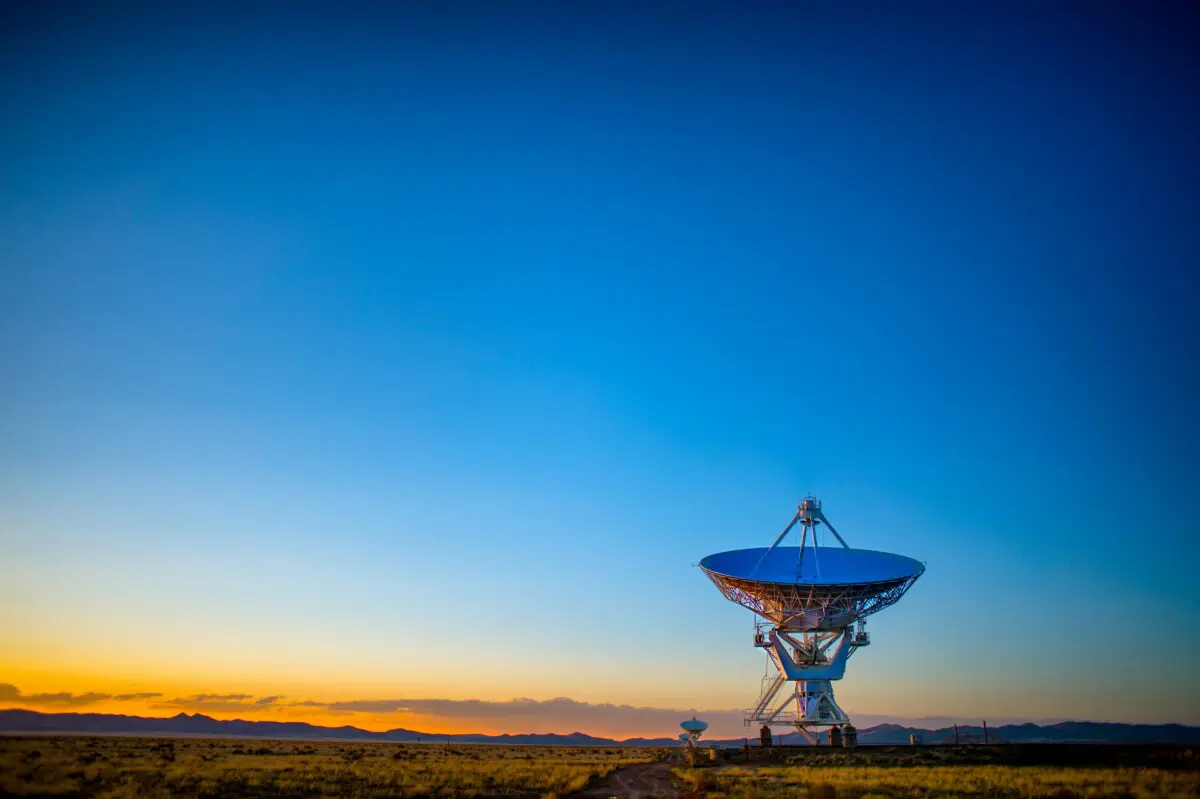
Harnessing the Wind: Satellites in Wind Energy Optimization
Wind energy is an essential part of the whole renewable energy ecosystem and is one of the most important methods for fighting climate change available to us. With the annual growth rate (CAGR) of 4.22% from 2024 to 2029, it has developed from a potentially perceptive technology to an integral part of international agreements and national policies being a proven and mature technology. Nevertheless, there are some challenges to wind power generation that include inaccurate production forecasts, inefficient asset management, and difficulties in grid balancing due to wind power’s intermittent nature. And live satellite images can be a real game-changer here.
With an increasing number of satellites launched in recent years, advances in image resolution, and improved analysis methods, remote satellite sensing data has proven to be a cheap and very valuable source of information:
- Finding the best spots for wind farms: Live satellite imagery makes the process of choosing a location for a wind farm much smarter by gathering long-term wind data across vast areas. Using radar and altimeter technology, they measure wind speeds, directions, and consistency, helping developers pinpoint locations with the highest energy potential.
- More accurate weather prediction: Weather can be surprising, but satellites make forecasting much more accurate. They track wind patterns, storm formations, and temperature changes, giving wind farm operators a heads-up about potential disruptions.
- Monitoring wind farms remotely: Satellites make it possible to get live satellite images with high resolution. They help detect issues like damaged turbine blades, shifting foundations, or other maintenance needs in near real-time.
- Protecting nature while harnessing the wind: Before wind farms are built, satellites help assess their environmental impact by monitoring wildlife migration patterns, marine ecosystems, and land use changes.
- Preparing for extreme weather events: Satellites provide early warnings about severe conditions like hurricanes or storms, giving operators enough time to take preventive measures like shutting down turbines or reinforcing structures.
Improving Solar Power Efficiency With Live Satellite Images
In the growing renewable energy sector, solar power takes its deserved place. However, there is always room for improvement, and maximizing solar energy potential is the main challenge. More accurate forecasting and improved performance monitoring of solar power systems are key to optimising energy production and maintenance. How can it be done? With the help of live satellite imagery again. Here are three significant ways satellites are making a difference:
- Finding the best locations for solar farms: Not all sunny places are ideal for solar energy production. Factors like cloud cover, air pollution, and terrain impact how much sunlight reaches solar panels. For instance, a satellite data map can show the amount of energy per square metre reaching the ground in the form of sunlight, known as the insolation.
- Predicting solar power generation: Weather changes can affect how much energy solar panels produce. Satellites track cloud movements, atmospheric conditions, and seasonal variations, allowing operators to forecast energy production more accurately.
- Monitoring and maintaining solar panels: Keeping solar panels clean and functional is crucial for maintaining efficiency. Satellites equipped with thermal and infrared imaging can detect faulty panels, dirt buildup, or overheating issues without the need for on-site inspections.
Hydropower and Water Resources: The Role of Live Satellite View
Water is supposed to be humans’ oldest source of renewable energy. Today, hydropower supplies 15% of the world’s electricity, almost 4,210 TWh yearly, more than all other renewable sources combined and even more than nuclear power. Nonetheless, there are some challenges that prevent water generation facilities from massive growth compared to solar and wind energy.
The challenges are environmental and social impacts, complex permit acquisition processes, and long construction times.
Today, the whole world understands that the need to review established systems and processes in the hydropower market is more urgent than ever before. With this need, space solutions offer some answers:
- Finding the perfect spot for hydropower plants: Building a hydropower plant isn’t as simple as finding a river and installing a dam. The location needs to have a strong water flow, minimal environmental disruption, and long-term energy potential. Live satellite imagery makes this process much smarter by analyzing water resources and identifying the best spots for both large-scale dams and smaller hydro projects.
- Predicting water flow and power generation: Unlike solar and wind, hydropower has the advantage of being more consistent—but it still depends on water availability. Satellites track rainfall, snow levels, river discharge, and even soil moisture to give power plants a heads-up on how much energy they can produce. In mountainous areas, where melting snow plays a huge role in water supply, this data is crucial.
- Keeping dams safe and resilient: Even though dams are massive and monumental, cracks, shifts, or weak spots can lead to disasters if not detected early. Live satellite images help monitor the structural health of dams, spotting potential problems before they become serious. They also track climate risks like flooding, landslides, and shifting terrain – problems that are becoming more common with climate change.
Energy from Above: How Satellites Are Driving the Clean Revolution
Live satellite imagery is opening up exciting new possibilities for the clean energy sector: they help to find optimal locations for green energy facilities, predict potential power outcome, take care of infrastructure, and even minimize potential losses if any natural disasters happen. And all of these are guaranteed by space! This tech revolution is reshaping how we harness renewable energy, making it more efficient, cost-effective, and resilient to climate challenges. As these technologies evolve, we now have a chance for a cleaner, greener, and more sustainable future guaranteed by green renewable energy.