
Table of Contents
This is a collaborative post.
Living in Tampa comes with plenty of advantages, from warm winters to abundant sunshine, but the local climate can be demanding on a house. High humidity, intense heat, heavy rainfall, tropical weather, and fast-growing vegetation can gradually affect roofing, plumbing, cooling systems, exterior materials, and landscaping. For Tampa homeowners, preventive maintenance is one of the easiest ways to protect a property and avoid expensive surprises. Instead of waiting for something to break, regularly checking the systems that keep your home comfortable and functional can reveal small problems while they are still relatively manageable.
Keep Your Home’s Water Systems Working Reliably
Water systems are easy to overlook when everything is operating normally. For Tampa homeowners who rely on a well, however, changes in water pressure, unusual pump noises, intermittent water flow, or a pump that seems to run excessively can indicate that the system needs professional attention. Waiting until the water stops completely can turn an inconvenient maintenance problem into an urgent household disruption.
When these symptoms appear, arranging well pump repair in Tampa can help identify whether the issue involves the pump, pressure equipment, controls, or another part of the system. Sunrise Irrigation provides well and pump services in the Tampa area, including pump repair and replacement, well drilling, and related water-system services.
Even homeowners using municipal water should routinely inspect visible plumbing. Look beneath sinks, around toilets, near water heaters, and behind water-using appliances for moisture, corrosion, or unexplained staining. Catching a small leak early can prevent damage to cabinets, drywall, flooring, and other materials.
Give Your Air-Conditioning System Regular Attention
In Tampa, air conditioning does much more than provide relief on hot afternoons.
Your cooling system may work extensively throughout the year while also helping control indoor humidity. That workload makes routine maintenance particularly important.
Replace HVAC filters at appropriate intervals based on manufacturer recommendations and household conditions. A home with pets or significant dust may need more frequent filter changes.
Keep leaves, plants, and debris away from outdoor equipment so airflow is not restricted. Indoors, watch for weak airflow, unusual noises, inconsistent temperatures, or increasing humidity.
Professional preventive maintenance can identify worn components and other developing problems before they cause a complete breakdown.
Keeping the system in good condition also helps it operate efficiently instead of consuming extra energy while struggling to maintain comfortable temperatures.
Inspect The Roof Before Water Gets Inside
Tampa roofs face an unforgiving combination of sunlight, heat, wind, and heavy rain.
Regular inspections can help identify problems before moisture reaches the interior of the house. From a safe location, look for missing or damaged roofing materials, debris buildup, sagging sections, or visibly deteriorated areas.
Inside, check ceilings and upper walls for stains or discoloration. The attic can reveal additional warning signs, including damp insulation, musty smells, or evidence of water intrusion.
Pay particular attention after severe weather.
A roof does not need an obvious hole to develop a leak. Small weaknesses around flashing, penetrations, or damaged materials may allow moisture inside gradually.
Early attention is almost always preferable to discovering the problem when a ceiling begins dripping during the next thunderstorm.
Keep Gutters And Drainage Areas Clear
Heavy Tampa rainfall can overwhelm poorly maintained drainage systems surprisingly quickly.
Gutters should remain clear enough to move roof runoff toward downspouts without overflowing. Remove accumulated leaves, twigs, and other debris periodically, particularly when nearby trees shed heavily.
Downspouts should direct water away from the structure rather than allowing it to collect beside exterior walls or the foundation.
Pay attention to your yard after significant rainfall as well.
Persistent puddles, washed-out mulch, eroded soil, and unusually soggy areas can indicate that water is not moving effectively across the property.
Good drainage protects landscaping while reducing unnecessary moisture around the home.
Think of rainwater as something that needs a planned route. If you do not give it one, it tends to invent its own—and its preferred route may be considerably less convenient.
Watch For Moisture And Mold Warning Signs
Humidity makes moisture management especially important in Tampa homes.
Check bathrooms, kitchens, laundry rooms, closets, and other moisture-prone areas for musty odors, staining, peeling paint, condensation, or visible growth.
A persistent moisture problem should never simply be painted over. Determine where the water is coming from first.
Possible sources include plumbing leaks, roof problems, poorly sealed windows, excessive indoor humidity, or inadequate ventilation.
Exhaust fans can help manage moisture generated by showers and cooking when properly vented. Air-conditioning equipment also plays an important role in controlling indoor humidity.
Addressing the underlying moisture source protects more than appearance. Prolonged dampness can damage drywall, wood, flooring, cabinetry, and other building materials.
A dry home is generally much easier—and cheaper—to maintain.
Protect Windows, Doors, And Exterior Seals
The openings around your home deserve periodic inspection because seals naturally deteriorate over time.
Check exterior doors and windows for damaged weatherstripping, deteriorated caulk, gaps, and signs that water has entered around frames.
Good sealing helps keep conditioned air indoors, potentially reducing unnecessary strain on your cooling system. It can also prevent wind-driven rain from finding small openings during storms.
Inspect exterior penetrations around pipes, vents, cables, and similar areas too. Small gaps can admit both moisture and pests.
Do not forget door operation. Doors that suddenly stick or become difficult to close may simply need adjustment, but noticeable changes can occasionally indicate moisture-related swelling or movement elsewhere.
Small sealing jobs are relatively simple maintenance tasks when addressed promptly.
Maintain The Yard With The House In Mind
Landscaping affects more than curb appeal.
Trees, shrubs, vines, and other vegetation growing too close to a house can trap moisture, block airflow, damage exterior surfaces, or provide convenient pathways for pests.
Trim plants so they do not continuously rub against siding, roofing, windows, or other components.
Keep tree branches monitored, especially those extending over the roof. Storm winds can turn weakened limbs into serious hazards.
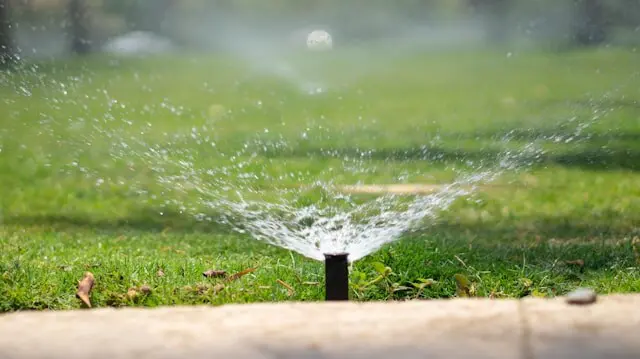
Your irrigation system deserves attention too. Sprinklers should water landscaping rather than repeatedly spraying walls, windows, or foundations.
Watch for unusually wet patches that could indicate irrigation leaks or drainage problems.
A well-maintained yard should complement the house instead of quietly creating additional maintenance issues around it.
Build A Seasonal Maintenance Routine
The easiest way to maintain a Tampa home is to stop treating maintenance as something you do only when a problem appears.
Create a simple schedule for inspecting major systems throughout the year. Check plumbing and water equipment, replace HVAC filters, clear gutters, examine exterior seals, trim vegetation, and inspect visible roofing conditions at appropriate intervals.
Before periods of severe weather, secure outdoor items and review the condition of drainage areas, windows, doors, and exterior components.
Keep records of professional maintenance and major repairs as well. Knowing when equipment was serviced or replaced makes future decisions much easier.
Preventive maintenance cannot guarantee that nothing will ever break. Homes are complicated systems, and components eventually wear out.
What a good routine does provide is visibility. By noticing changes early, Tampa homeowners can address manageable problems before Florida’s heat, humidity, and heavy rainfall make them significantly worse. A few hours of regular attention throughout the year can protect comfort, preserve property value, and prevent many expensive household surprises.