
Table of Contents
This is a collaborative post.
Reducing energy consumption doesn’t have to mean sacrificing comfort. In fact, with a few simple upgrades, you can improve the energy efficiency of your home while maintaining or even enhancing your comfort. Many of these changes are easy to implement and provide long-term benefits, from lower utility bills to a more sustainable home environment.
Upgrade to Energy-Efficient Windows
Windows are a major source of heat loss in the winter and heat gain in the summer, which can force your heating and cooling systems to work overtime. Energy-efficient windows are designed to reduce this heat transfer, helping maintain a stable indoor temperature year-round.
If replacing your windows isn’t an option, consider adding window film or applying weatherstripping to reduce drafts. Heavy curtains or thermal blinds can also help insulate windows, keeping warm air inside during the winter and blocking heat during the summer.
Install a Smart Thermostat
A smart thermostat is a small upgrade that can make a big difference. Unlike traditional thermostats, smart thermostats allow you to program and control your home’s temperature remotely through a smartphone or other connected devices.
Smart thermostats learn your preferences and adjust automatically to maintain comfort without wasting energy. For example, they can lower the temperature when you’re sleeping or away from home and bring it back to your preferred level before you return. Some models even monitor weather forecasts and optimize settings based on outdoor conditions.
Switch to LED Lighting
Lighting accounts for a significant portion of energy use in most homes. By switching from traditional incandescent bulbs to LED lighting, you can reduce your energy consumption dramatically. LED bulbs use up to 80% less energy than incandescent bulbs and last much longer, which means fewer replacements and lower long-term costs.
Additionally, LED bulbs emit less heat, helping to keep your home cooler during the warmer months. This small upgrade can have a big impact on both your energy use and comfort.
Install a Single Room Air Conditioner
Cooling your entire home can be energy-intensive, especially if you only need to cool specific areas like bedrooms or home offices. Installing a single room air conditioner is an effective solution for targeted cooling without overburdening your central air system.
These units allow you to cool individual rooms without wasting energy on unoccupied spaces. Many models are designed to be energy-efficient, providing effective cooling while consuming less power. With the right unit, you can maintain comfort in key areas of your home without the high energy bills that come with whole-house cooling.
Upgrade to Energy-Efficient Appliances
Older appliances often use more energy than necessary, even when they seem to be working fine. Replacing them with energy-efficient models can lead to significant savings over time. When shopping for new appliances, look for the ENERGY STAR® label, which indicates products designed to use less energy without compromising performance.
Consider upgrading your refrigerator, dishwasher, washing machine, and dryer. Energy-efficient models not only consume less power but also typically feature improved designs that enhance performance and convenience.
Improve Insulation and Seal Air Leaks
Proper insulation is one of the most important upgrades you can make to improve your home’s energy efficiency. Poorly insulated homes lose heat in the winter and gain it in the summer, leading to higher energy bills and uneven temperatures.
Start by checking the insulation in your attic, walls, and basement. If it’s inadequate, adding more can help maintain a stable indoor temperature. Seal any air leaks around windows, doors, and vents using caulk or weatherstripping to prevent drafts and improve overall comfort.
Install a Single Room Heat Pump
If you’re looking for an energy-efficient way to heat specific areas of your home, consider installing a single room heat pump. Heat pumps work by transferring heat from the outside air into your home, even in cold weather. They are far more efficient than traditional heating systems because they don’t generate heat but instead move it.
A single room heat pump allows you to target specific areas without having to heat the entire home. Many models also function as air conditioners in the summer, providing year-round temperature control. This dual functionality makes them an excellent option for homes that need flexible and efficient heating and cooling solutions.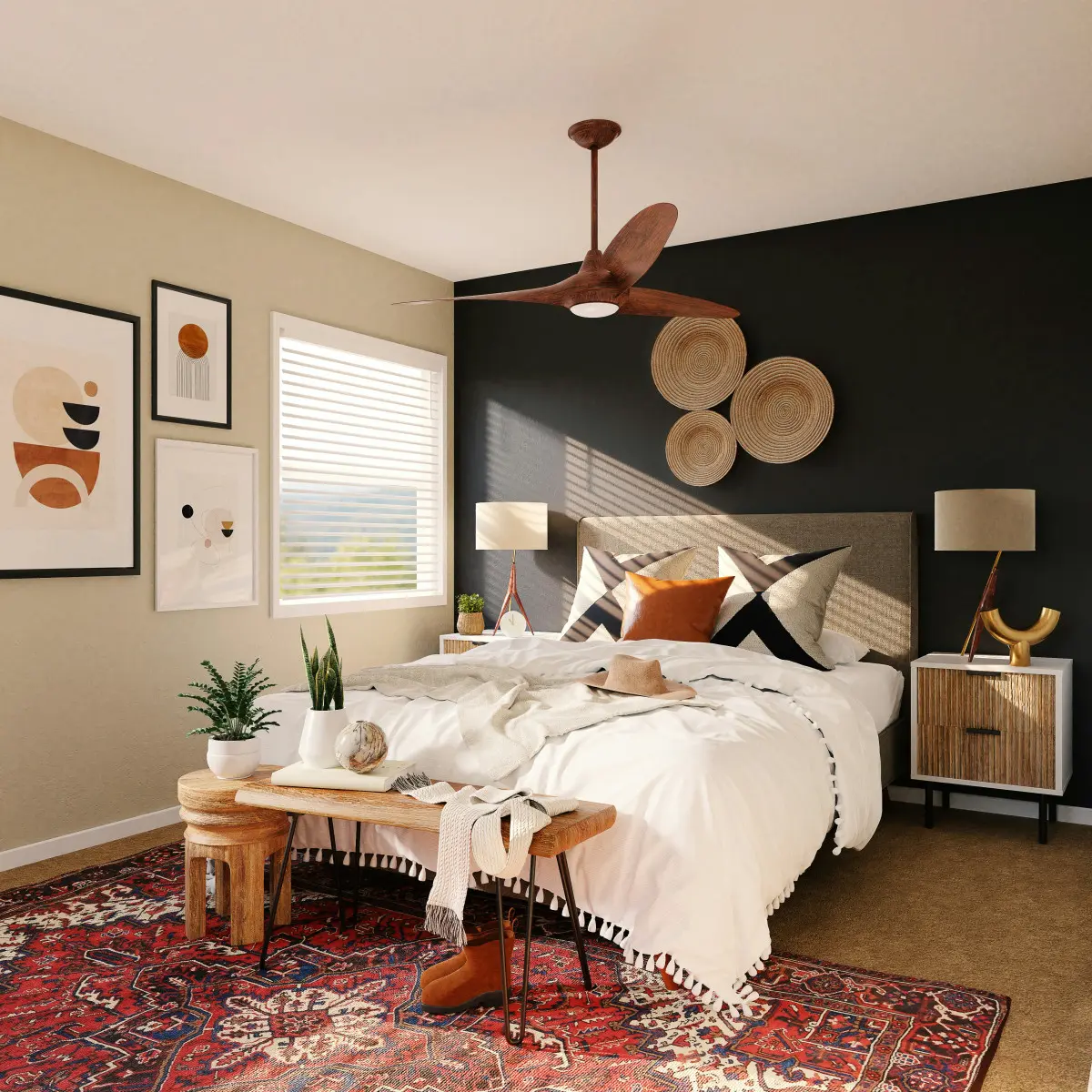
Use Ceiling Fans
Ceiling fans are an inexpensive way to improve comfort without increasing energy consumption. In the summer, they create a cooling breeze that can make a room feel several degrees cooler, reducing the need for air conditioning. In the winter, reversing the fan’s direction pushes warm air downward, helping to circulate heat more effectively.
By incorporating ceiling fans into your home’s heating and cooling strategy, you can maintain a comfortable environment while reducing strain on your HVAC system.
Reduce Standby Power Consumption
Many electronics and appliances continue to draw power even when they’re turned off. This standby power, often referred to as “phantom energy,” can add up to significant energy waste over time.
To combat this, unplug devices like chargers, televisions, and kitchen appliances when not in use. Alternatively, use power strips to make it easier to disconnect multiple devices at once. Smart power strips are a convenient option, as they can detect when devices are idle and automatically cut off power.
By making these simple home upgrades, you can reduce energy waste while keeping your home comfortable year-round. Many of these changes are cost-effective and easy to implement, providing long-term savings and environmental benefits. From targeted heating and cooling to efficient appliances and better insulation, every improvement contributes to a more sustainable and comfortable living space.