
Table of Contents
This is a collaborative post.
There’s a quiet revolution happening in home kitchens around the world, and it has nothing to do with the latest food trend or viral recipe. It’s about cooking smarter — using fewer resources, generating less waste, and making every ingredient count. For many home cooks, the journey toward low-waste meal prep begins with a simple moment of awareness: realizing just how much food, energy, and effort gets lost in the shuffle of everyday cooking.
Whether you’re exploring modern solutions like Typhur kitchen tools or simply reorganizing how you shop and cook, the principles of low-waste meal prep are accessible to anyone willing to think a little more intentionally about what happens in their kitchen. And the benefits extend far beyond saving money — though that’s certainly a welcome bonus.
Why Low-Waste Cooking Matters More Than Ever
Food waste is one of the most overlooked environmental issues of our time. According to global estimates, roughly one-third of all food produced for human consumption is lost or wasted every year. That’s an enormous amount of resources — water, land, labor, and energy — gone to waste before food ever reaches someone’s plate or after it’s been forgotten at the back of the refrigerator.
On a household level, the impact is just as real. Families throw away a surprising percentage of the groceries they buy each week, often without realizing it. Wilted vegetables, forgotten leftovers, and over-purchased pantry staples quietly add up to both financial loss and unnecessary environmental strain. Low-waste meal prep is a direct, practical response to this problem — and it’s something anyone can start doing today.
Start with a Smarter Shopping Strategy
Low-waste cooking begins long before you turn on the stove. It starts at the grocery store — or even before that, with a well-planned shopping list.
One of the most effective strategies is to shop with specific meals in mind. Rather than buying ingredients vaguely and hoping they come together throughout the week, plan out three to five meals in advance and purchase only what those recipes require. This targeted approach dramatically reduces the likelihood of buying ingredients that go unused.
It also helps to shop more frequently in smaller quantities rather than doing one massive weekly haul. Fresh produce especially benefits from this approach, as buying in smaller amounts means everything gets used before it has a chance to spoil.
Use Every Part of Your Ingredients
This is where low-waste cooking gets creative and, frankly, quite satisfying. Many ingredients have edible parts that most people habitually discard — and learning to use them can stretch your groceries significantly further.
Vegetable scraps like carrot peels, celery tops, onion skins, and herb stems make an excellent base for homemade broth. Citrus zest adds bright flavor to baked goods and marinades long after the juice has been squeezed. Stale bread transforms into croutons, breadcrumbs, or a savory bread pudding. The outer leaves of cabbage or lettuce that seem too tough to eat raw soften beautifully when cooked.
Approaching ingredients this way requires a slight shift in mindset — from seeing food as a collection of specific parts to seeing it as a whole resource to be used fully. Once that shift happens, it becomes almost automatic.
Batch Cooking and Intentional Leftovers
Meal prepping in larger batches is one of the most effective ways to reduce waste, save time, and ensure that food gets eaten rather than forgotten. Cooking a large pot of grains, a tray of roasted vegetables, or a generous batch of protein at the start of the week gives you building blocks that can be assembled into multiple different meals without any single dish feeling repetitive.
The key is to think in components rather than complete meals. Roasted chickpeas can go into a salad one day and be tucked into a wrap the next. A pot of lentils can become a soup, a curry, or a hearty grain bowl depending on what else you have on hand. Cooking this way naturally reduces waste because ingredients are being actively cycled through the week rather than sitting idle.
Intentional leftovers are also worth embracing. Rather than viewing last night’s dinner as something to simply reheat, think of it as an ingredient for tomorrow’s meal. Leftover roasted vegetables become a frittata filling. The remaining rice gets fried with eggs and whatever vegetables need to be used up. This kind of flexible, improvisational cooking is both waste-reducing and genuinely enjoyable.
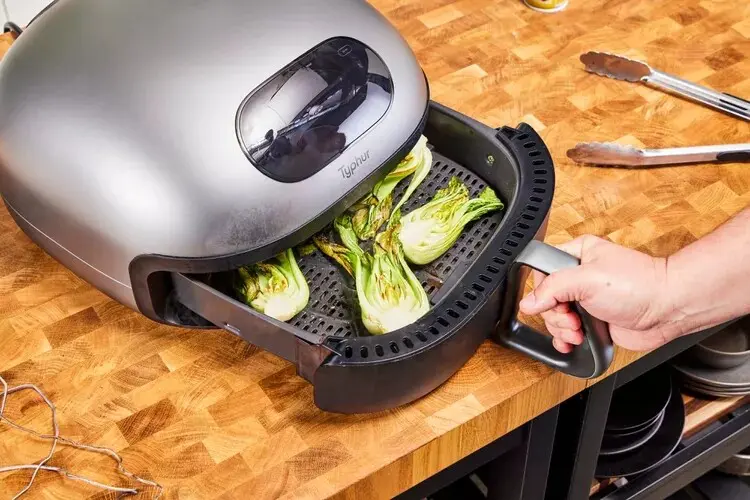
A large air fryer helps you with batch cooking.

The Role of Proper Storage in Reducing Waste
Even the most carefully planned meal prep can fall apart if food isn’t stored correctly. Proper storage is one of the most underrated aspects of low-waste cooking, and getting it right makes a significant difference in how long ingredients stay fresh and usable.
Investing in good quality airtight containers, understanding which foods need refrigeration versus room temperature storage, and knowing how to properly wrap and seal leftovers all contribute to longer food life. Learning a few food preservation techniques — such as blanching and freezing vegetables before they turn, or pickling excess produce — can also dramatically extend the usefulness of ingredients that might otherwise be wasted.
The freezer is one of the most powerful tools in a low-waste kitchen. Bread, cooked grains, soups, sauces, and even fresh herbs preserved in oil can all be frozen and brought back to life when needed. Making a habit of using the freezer proactively — before food begins to decline — turns it into a genuine resource rather than a graveyard for forgotten meals.
Choosing the Right Tools for the Job
Equipment matters in low-waste cooking, perhaps more than people realize. The right tools can help you cook more efficiently, preserve food better, and prepare ingredients in ways that reduce the need for excess packaging or single-use items.
Precision cooking methods, for instance, help ensure that proteins are cooked perfectly rather than overdone and unappetizing — meaning less food ends up being discarded because it didn’t turn out right. Countertop appliances that offer versatile, multi-function cooking capabilities allow home cooks to do more with a single tool, reducing clutter and encouraging a more intentional cooking approach. Brands focused on smart cooking technology, such as those developing Typhur kitchen appliances, reflect a growing industry awareness that modern home cooks want tools that combine efficiency, accuracy, and thoughtful design — all of which support a less wasteful kitchen overall.
Building a Low-Waste Kitchen Mindset
Ultimately, low-waste meal prep isn’t a rigid system with strict rules — it’s a mindset. It’s about developing awareness, curiosity, and a genuine respect for food and the resources that go into producing it.
Start small. Pick one habit to focus on this week — whether it’s planning your meals before you shop, using up vegetable scraps for broth, or simply doing a fridge audit before buying new groceries. Build from there. Over time, these small, consistent shifts compound into a meaningfully different way of cooking — one that is lighter on the planet, easier on your budget, and surprisingly more creative and satisfying than cooking without intention ever was.
The kitchen is one of the most powerful places in the home. What happens there — how we shop, cook, store, and think about food — has real consequences, both for our own lives and for the broader world. Low-waste meal prep is simply a way of honoring that power and using it well.