
Table of Contents
This is a collaborative post.
Pool areas are brutal on furniture. Constant splash zones, chlorine mist, humidity, and direct sun, most indoor-grade pieces give up fast. Rust is one of the biggest culprits, turning a beautiful patio setup into an eyesore after just a season or two.
If you’re setting up or refreshing your pool space, picking the right rust-proof materials from the start saves you money and frustration. Here are five things you need to know before you buy.
Not All “Outdoor” Furniture for Pool Areas Is Actually Rust-Proof
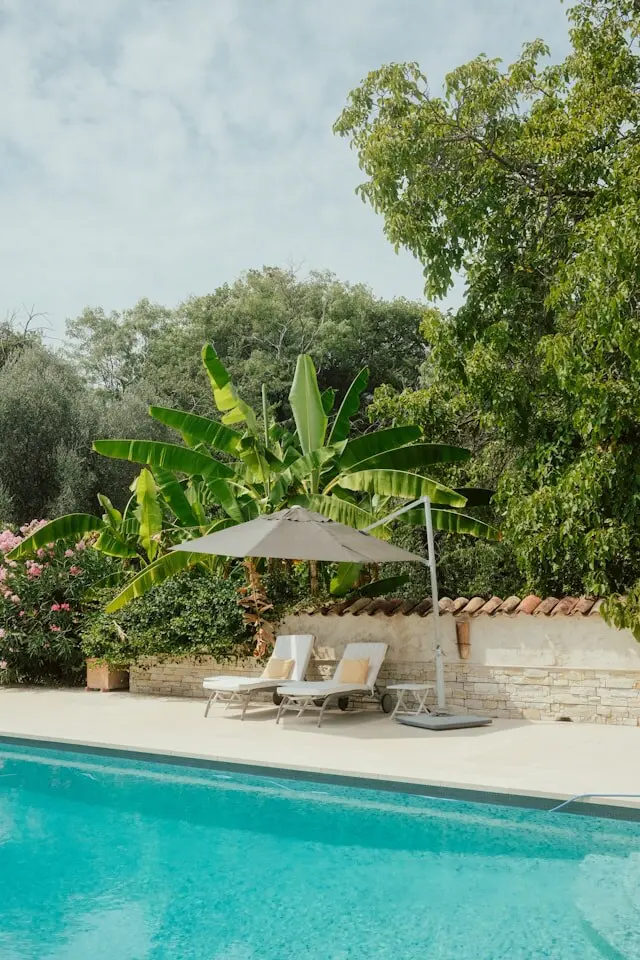
Manufacturers apply the term “outdoor furniture” pretty loosely. Looking at something like poolside furniture makes the distinction clear. Furniture built for actual pool environments needs to meet a much higher standard than pieces sold for a dry backyard deck.
Standard powder-coated steel is constantly marketed as outdoor furniture. It works fine away from water. But near a pool? Wet surfaces and chlorine vapors eat away at that coating. It chips, it scratches, and rust spreads underneath fast. By summer’s end, orange streaks are staining your patio.
Truly rust-proof options include aluminum, resin wicker over aluminum frames, marine-grade polymer, and Type 316 stainless steel. Each carries different trade-offs, weight varies, cost differs, and appearance changes. What they share is this: none of them oxidizes, regardless of what pool chemicals end up on the surface.
Aluminum Furniture for Pool Areas Is the Most Popular Choice for a Reason
Aluminum doesn’t rust. It’s the go-to material for pool-area furniture because it’s lightweight, corrosion-resistant, and holds a powder-coat finish better than steel does over time.
Cast aluminum is denser and heavier than tubular aluminum. It resists denting, and it tends to look more formal, often with ornate patterns. Tubular aluminum is lighter and easier to move around, which matters if you’re constantly rearranging chairs; both types handle chlorine and saltwater environments well.
Here’s the thing: bare aluminum can still oxidize in a white, chalky way (different from rust, but still an appearance problem). A good powder-coat or anodized finish prevents this entirely. When you’re shopping, check that any aluminum piece has a quality finish applied; raw metal alone won’t cut it.
Resin and Polymer Furniture for Pool Areas Won’t Rust or Rot
Marine-grade polymer and all-weather resin are fully non-metallic. No rust is possible because there’s no metal in the structure. These materials started out on boat decks in marine environments; pool chemical exposure is something they were built to handle.
Resin wicker sits in the middle. It looks like natural wicker but uses synthetic strands woven over a rust-proof aluminum frame. You get the aesthetic appeal of traditional outdoor furniture without the decay that natural rattan brings in wet conditions. Natural wicker absorbs moisture, swells, and breaks down quickly near pools; resin wicker does none of that.
All-weather resin chairs and loungers? Often, the most affordable rust-proof option available. They’re also easy to clean; a hose-down is usually enough. The catch is that cheaper resin can become brittle with prolonged UV exposure, so look for pieces labeled UV-stabilized or UV-resistant.
Stainless Steel Is an Option, But Grade Matters
Stainless steel furniture looks sharp and holds up well. But not all stainless grades are created equal; the wrong one will still corrode near a pool.
Type 304 stainless steel is common in kitchen appliances and outdoor urniture. It resists rust in dry or mildly humid environments. Near a pool with chlorine exposure? Type 304 can develop rust spots called “tea staining.” It’s surface-level, not structural, but still unsightly.
Type 316 stainless steel contains molybdenum, which makes it far more resistant to chloride corrosion. It’s used in marine applications and medical equipment. If you want stainless near your pool, Type 316 is what to buy. It costs more, but it won’t let you down mid-season.
And yes, even Type 316 benefits from a rinse if you’ve had particularly heavy chlorine treatment. Metal is still metal.
Finish, Fabric, and Fasteners All Need Rust-Proof Treatment
A chair can have an aluminum frame and still fail at the pool because of fasteners that rust quickly. This happens more than you’d expect. The bolts, screws, and brackets that hold furniture together are often steel unless the manufacturer deliberately chose stainless or nylon hardware throughout.
Seat cushion fabrics also matter. Outdoor cushion fabrics rated for pool use are typically solution-dyed acrylics (Sunbrella is the best-known brand). Solution-dyed fibers won’t fade or mildew the way screen-printed fabrics do. The zipper and zipper tape should be rust-proof too; plastic-coil or nylon zippers outlast metal ones near water.
Look at frame connectors when you shop. Steel bolts without corrosion protection? That’s a red flag. Ask the seller or check product specs for hardware material; a few minutes of research prevents a rusted joint from loosening your chair two summers from now.
Rust-proof furniture for pool areas isn’t just about the main structure. It covers the frame material, finish quality, hardware, and even the fabric. Aluminum and marine-grade polymer are your most durable choices for most homeowners; stainless steel works well if you buy Type 316. Know what to look for before you buy, and your pool area stays looking good season after season, exactly what rust-proof furniture for pool areas is designed to do.