
Table of Contents
This is a collaborative post.
Cooking is as much about timing and temperature as it is about ingredients. When searing a steak or simmering a sauce, controlling heat directly impacts how food cooks, tastes, and looks on the plate. Without consistent heat, proteins can dry out, vegetables can turn mushy, and sauces can scorch before they ever reduce.
This is where cookware makes a difference. Materials that respond well to temperature shifts allow for more precision. Stainless steel cookware, in particular, is known for its ability to hold heat evenly and adapt to changes quickly. That responsiveness gives home cooks more control over their results, making it easier to avoid overcooked or undercooked dishes.
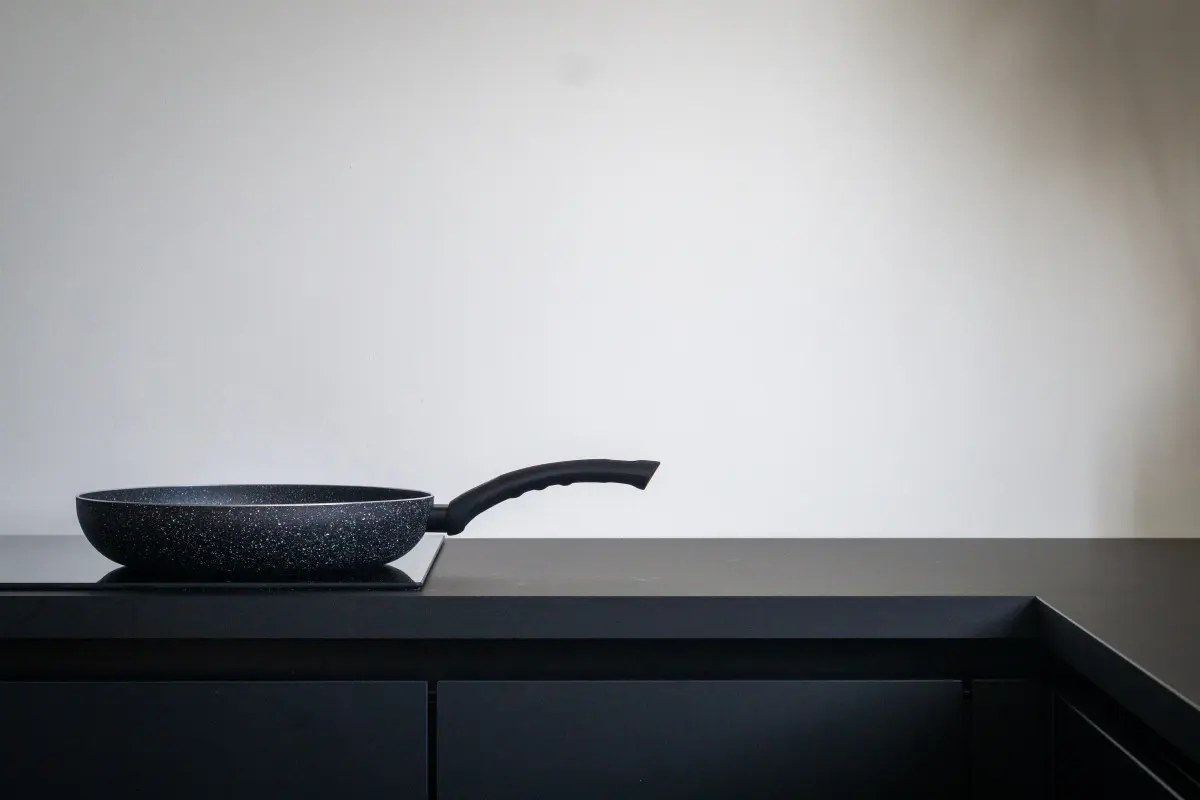
How Stainless Steel Responds to Heat
Stainless steel doesn’t conduct heat as quickly as copper or aluminum, but it excels when combined with those materials in a multi-layered design. Many stainless steel pans are built with an aluminum or copper core, which boosts conductivity while maintaining the durability and non-reactive surface of stainless steel. The result is cookware that heats evenly and adjusts quickly to changes in temperature.
That responsiveness is key for everyday cooking. If the pan is too cool, food may stick or cook unevenly. If it’s too hot, oils can burn before ingredients hit the pan. Understanding how long a pan takes to preheat and how quickly it responds when the burner is lowered makes it easier to avoid those pitfalls and cook with confidence.
Common Heat-Related Mistakes With Stainless Steel
One of the most common complaints with stainless steel pans is sticking, which often comes down to improper heat control. Adding oil too early or starting with a cold pan can lead to frustrating results. Preheating the pan and adding oil only once it’s hot allows the metal to form a temporary nonstick effect, reducing the chance of food clinging to the surface.
Other mistakes include overcrowding the pan or cooking everything on high heat. These habits prevent even browning and can cause food to steam rather than sear. Adjusting the heat based on what’s being cooked and giving the pan time to recover between batches leads to more consistent, predictable outcomes.
Techniques for Maximizing Heat Control
Maximizing heat control starts with a few simple habits. First, let the pan preheat fully before adding oil or ingredients. One way to check readiness is by flicking a few drops of water into the pan; if they bead and glide, the surface is ready. Once hot, the temperature should be adjusted based on what’s cooking. High heat might work for a quick sear, but medium or low heat is better for delicate ingredients or longer cooking times.
Residual heat is also a useful tool. Stainless steel retains warmth even after the burner is turned off, making it possible to finish cooking certain items without added heat. Knowing how quickly a pan responds allows smoother transitions between cooking stages and reduces the chance of burning or overcooking.
The Role of Cookware Construction in Heat Management
Not all stainless steel cookware performs the same, and much of that comes down to construction. Fully clad cookware (where layers of conductive metals like aluminum or copper run through the base and up the sides) offers superior heat distribution compared to disc-bottom pans, which only have a heat-conductive layer at the bottom. That full-body construction eliminates hot spots and ensures ingredients cook evenly wherever they sit in the pan.
This structure becomes especially important when recipes require consistency, such as browning across the entire surface or reducing sauces without burning. Even heating makes it easier to control outcomes with less guesswork. For anyone looking to improve heat management, understanding what’s inside the cookware is just as important as how it’s used.
Long-Term Benefits of Better Heat Control
Learning to control heat is all about building reliable habits in the kitchen. Over time, better heat control leads to fewer burnt dishes, less wasted food, and greater confidence when trying new techniques. It also protects cookware by preventing warping, scorching, or discoloration that often comes from overheating.
Consistent use of moderate, well-timed heat extends the life of stainless steel pans and helps them perform well for years. With time, cooks begin to recognize how heat behaves with different ingredients and recipes, making it easier to adjust in real time and avoid costly mistakes. Mastering this skill creates a smoother, more enjoyable cooking experience overall.
Control the Heat, Improve the Outcome
With stainless steel cookware, learning to manage heat properly transforms everyday meals into consistently well-cooked dishes. From the first sizzle to the final simmer, heat control is the key to unlocking better flavor, texture, and results in any kitchen.