
Table of Contents
This is a collaborative post.
For many households and small businesses, the water bill is one of those regular expenses that can quietly creep up on you. It might not grab as much attention as electricity or internet costs, but when it does spike, the impact on your budget is hard to ignore. Beyond money, there’s also a bigger picture: how we use water directly connects to sustainability and the health of our environment.
A lot of people see water as just another utility—something you pay for, full stop. But the reality is that there are plenty of factors that influence how much you’re charged, and once you’re aware of them, you can make small but meaningful changes. Not only can these adjustments save money, but they also help conserve one of our planet’s most precious resources.
Let’s take a closer look at the main elements that affect your water bill and how being mindful about them can create both financial and environmental wins.
Water Usage and Consumption Habits
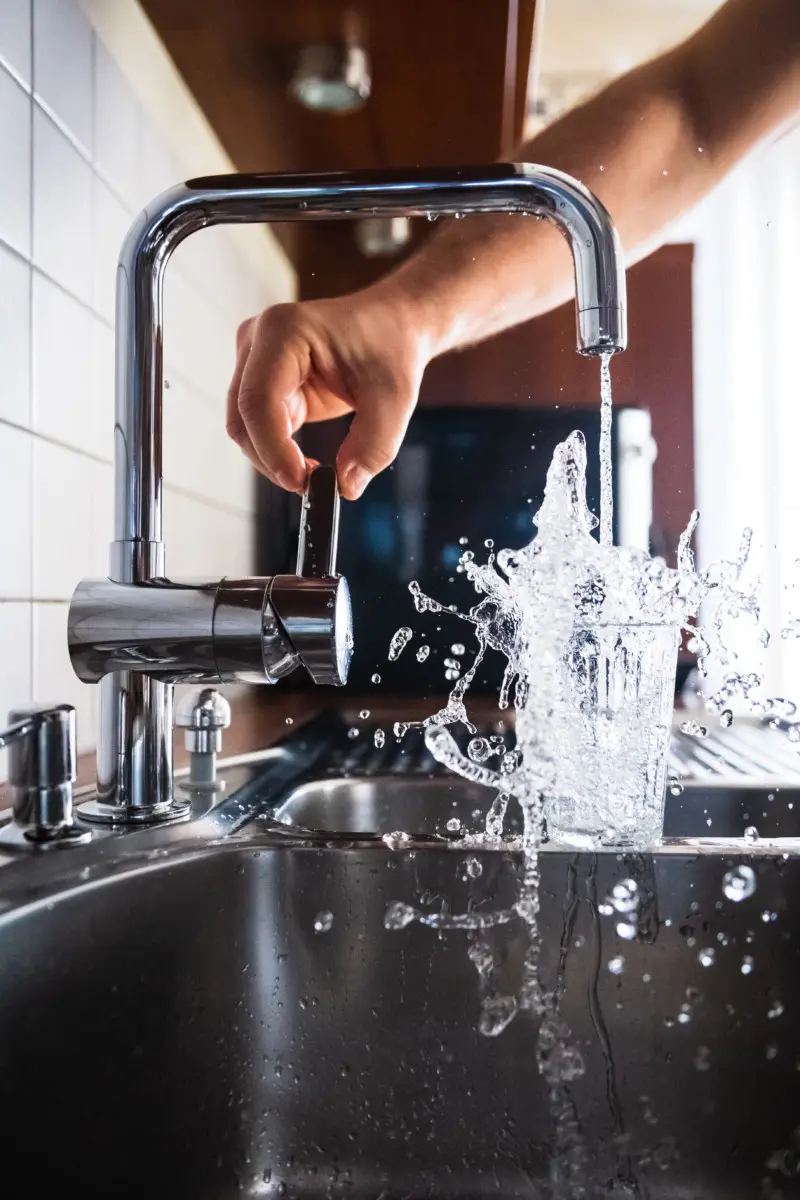
It comes as no surprise that the way you use water in your home is the single biggest contributor to your bill. Every shower, every garden hose, every time you turn on the tap—it all adds up. The tricky part is that many of our water-hungry habits don’t even feel excessive at the time.
Think about showers: a few extra minutes might not seem like much, but multiplied by the number of people in your household and the number of days in a month, the litres add up quickly. Baths, though relaxing, can easily consume even more. Outdoors, watering the lawn or letting the sprinkler run unchecked can quietly account for hundreds of extra litres.
There are also those small, almost invisible habits we tend to overlook. Leaving the tap running while brushing your teeth or rinsing dishes may feel insignificant, but over the course of weeks and months, it makes a surprising difference. The good news? These are some of the easiest habits to change.
Practical tips that really help:
- Turn off taps while brushing or soaping dishes.
- Use timers for showers—especially helpful for kids and teens.
- Fix leaks quickly (even a slow drip can waste thousands of litres in a year).
- Install a water meter or smart monitor if your home doesn’t already have one.
These steps not only cut your water use but can also be a little eye-opener when you see how small tweaks in behaviour bring real results on your next bill.
Water Supply Rates and Tariffs
Even with perfect habits, the way your local authority sets rates plays a big part in the final number you see. Water bills usually include two main components:
- Fixed charges – covering infrastructure, maintenance, and administration.
- Variable charges – based on the actual amount of water your household consumes.
Some areas also use tiered pricing, which means the more you use, the more expensive each additional unit becomes. This is designed to encourage conservation, but it can catch households off guard if usage jumps unexpectedly.
In some regions, the time of use also matters. If your provider applies higher rates during peak hours, shifting some activities, like running the washing machine or watering the garden, to off-peak times can reduce costs.
The key takeaway here is to actually sit down with your water bill and read it carefully. Look for the breakdown of charges, check if you qualify for discounts or concessions, and note whether you’re being charged under a tiered system. Once you know what applies to you, you can plan your water usage more strategically.
Seasonal Changes and Weather Patterns
The seasons bring with them natural fluctuations in water consumption. In summer, higher temperatures often mean more garden irrigation, more showers, and generally heavier use. Winter tends to bring the opposite—shorter showers, less outdoor watering, and therefore lower bills.
But it’s not just the everyday shifts that matter. Extreme weather can also play a role:
- Droughts often lead to tighter restrictions and penalties for excess use.
- Floods or heavy rainfall may temporarily lower demand but put pressure on infrastructure.
Authorities sometimes adjust tariffs in response to these conditions. That’s why your bill might look different from one season to another, even if your usage hasn’t changed dramatically.
To stay ahead, it helps to plan with the seasons. Rainwater tanks, greywater systems, and even simple water-saving devices like hose timers can make a big difference in smoothing out those seasonal spikes. They also add resilience in times of water scarcity, giving you a bit more independence from the mains supply.
Household Appliances and Fixtures
Your appliances and fixtures are like silent players in the water-usage game. Washing machines, dishwashers, toilets, and taps all contribute significantly. Older models often use far more water than necessary, while modern, water-efficient designs can reduce consumption dramatically.
When shopping for appliances, look out for the WELS rating (Water Efficiency Labelling and Standards). The higher the stars, the more efficient the model. It may cost a little more upfront, but the savings on your water bill—and the reduced environmental impact—make it worthwhile over time.
Fixtures are equally important. Low-flow showerheads, aerated taps, and dual-flush toilets are relatively inexpensive upgrades that quickly pay for themselves. Even small measures, like fitting tap aerators, can cut down on usage without compromising performance.
Don’t forget about maintenance. Leaks in appliances or plumbing fixtures often go unnoticed until the bill comes in higher than expected. Conducting a simple check—like reading your meter before and after a two-hour window when no water is used—can help spot hidden leaks.
Infrastructure and Maintenance Costs
The bigger picture of water supply is tied to infrastructure. Local water networks—pipes, pumps, treatment plants—require ongoing investment to keep water safe and flowing. When infrastructure is old or in need of frequent repairs, these costs often filter down to consumers through higher bills.
At home, your own plumbing system plays a role, too. Corroded pipes, poorly maintained fixtures, or inefficient hot water systems can all lead to water loss or higher consumption. Scheduling occasional inspections by a plumber can prevent small problems from turning into expensive surprises.
Staying on top of home maintenance doesn’t just protect your property; it’s another way to keep bills fair and manageable.
Taking Charge of Your Water Bill
At the end of the day, your water bill isn’t just a number you have to pay—it’s a reflection of how your household interacts with one of Earth’s most valuable resources. From daily habits and appliance choices to seasonal shifts and infrastructure, there are many moving parts.
The good news is that most of these factors are within your influence. By making small, mindful changes like turning off taps, fixing leaks, and upgrading to efficient fixtures, you not only save money but also contribute to a more sustainable future.
When you take the time to understand your water bill, you gain control. You can spot patterns, identify waste, and make proactive choices that benefit both your wallet and the planet. Water is too precious to take for granted, and with a little awareness, each of us can play a part in using it wisely.