
Table of Contents
This is a collaborative post.
Hot water systems are the unsung heroes of modern comfort, delivering warmth and convenience to homes and businesses alike. Proper maintenance of these systems is not just a matter of preserving comfort; it’s a crucial step in enhancing efficiency and ensuring safety. Failing to maintain a hot water system can lead to many issues, ranging from diminished performance to severe safety hazards and costly repairs. In this guide, the focus will be on understanding different types of hot water systems, identifying common issues that can arise from neglect, and providing a detailed set of practices for essential maintenance.
There are several types of hot water systems prevalent today, including electric, gas, and solar models. Each type has its unique benefits and potential pitfalls, but what they all share is the need for regular care to perform optimally over their intended lifespan. Attention to maintenance can prevent many common hot water system problems, ensuring that the hot water always flows when you need it.
Understanding Your Hot Water System
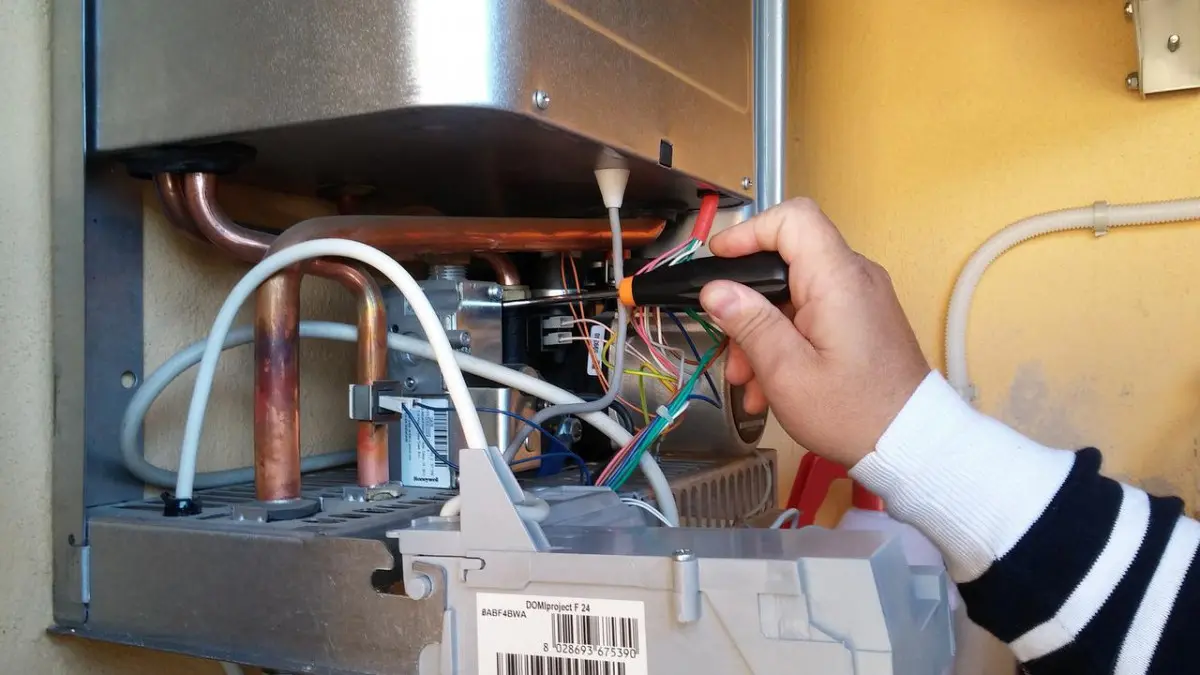
Knowing your hot water system’s anatomy and functionality is critical to maintaining it effectively. At its core, a hot water system typically comprises a heating element (such as an electric coil or a gas burner), a tank for storage, and thermostats for temperature regulation, along with various valves and pipes connected to the broader plumbing network. More advanced systems may incorporate digital controls and even integration with smart home platforms.
Each type of hot water system has distinct characteristics. Electric systems are often favoured for their simplicity and reliability. They’re usually less expensive to install but may incur higher operating costs over time, given electricity rates. Conversely, gas systems can offer more rapid heating and are often more cost-effective, depending on the availability and price of gas. Solar systems, while initially more costly, leverage renewable energy to significantly reduce utility bills and environmental impact over the long haul.
Typical life expectancies vary by system type and maintenance quality. Generally, electric and gas systems last between 8 to 12 years, while solar systems can endure for 15 to 20 years if properly maintained. Understanding these systems allows owners to tailor maintenance to achieve maximum longevity.
Being familiar with your system’s type and its key components enables more effective maintenance. By conducting suitable inspections, you’ll be more likely to spot potential issues before they escalate, ensuring your investment remains sound and serviceable for as long as possible.
Regular Inspection and Diagnosis
Regular inspection and diagnosis are paramount for preempting major problems with a hot water system. Whether carried out by a professional or tackled as a DIY project, inspections can uncover minor issues that, if left unchecked, might lead to significant damage or even complete system failure. Scheduled checks can often save significant headaches down the line, both financially and operationally.
Key inspection practices include visually checking for leaks, rust, or any visible damage to the system, especially around joints and seams where wear is most likely to manifest. Listening for unusual noises, such as banging or hissing, can indicate trapped air or malfunctioning components, while unpleasant odours might suggest bacterial growth or gas leaks. Employing all your senses can often yield the first clues of trouble.
Preventive diagnosis is about identifying potential problems before they become urgent. Regularly inspecting and diagnosing your system offers the best chance of catching these signs early, reducing the likelihood of experiencing a complete system breakdown or costly emergency repairs.
Flushing the System
One of the more significant maintenance tasks is flushing the system. Over time, sediment and mineral deposits accumulate within the water heater tank, especially in areas with hard water. These deposits can hamper heat transfer efficiency, leading to longer heating times and increased energy bills. Moreover, if not addressed, sediment buildup can cause overheating, damaging the heating element and other critical components.
Flushing the system is an essential prevention strategy. For traditional tank systems, this involves turning off the heater, attaching a garden hose to the drain valve, and allowing water to flow out until clear, sediment-free water is observed. This process eliminates accumulated deposits, restoring optimal heat transfer efficiency.
Tankless systems aren’t exempt from the need for flushing. These systems still encounter mineral buildups, albeit at a slower rate. Regular descaling with a vinegar solution can prevent blockages and ensure smooth flow through the heat exchanger.
The frequency of flushing varies. Generally, it’s advisable to perform this maintenance annually, though homes with particularly hard water might require more frequent attention. Neglecting this task can lead to decreased system efficiency, higher utility bills, and more significant, costly damage over time.
Checking and Maintaining the Anode Rod
The anode rod, sometimes called the “sacrificial” rod, is a critical component in tank-style hot water systems, designed to attract corrosive elements in the water that would otherwise damage the tank itself. Thus, maintaining the anode rod is essential for preventing rust and corrosion, two leading causes of tank failure and leaks.
Checking the anode rod involves turning off the system, removing the rod, and inspecting it for excessive wear, such as diminished thickness or a pronounced pitting surface. Depending on water quality and usage, anode rods might last between two to five years before needing replacement. However, routine inspections help ensure they perform effectively.
When replacement becomes necessary, it’s crucial to choose the right material—magnesium rods are often the best choice for soft water, while aluminium/zinc rods may be better suited for hard water conditions. Installing a new rod is relatively straightforward, requiring few tools and minimal time.
Neglecting the anode rod can lead to tank corrosion, ultimately reducing a system’s lifespan. By keeping the rod in good condition, you can significantly extend a hot water system’s operational life and avoid the disruptions associated with tank failures.
Insulating the Hot Water System
Insulating your hot water system can offer tangible benefits, such as improved energy efficiency and reduced wear on system components. Both tanks and pipes can benefit from added insulation, which helps retain heat and reduces the time and energy required to maintain desired water temperatures.
Choosing the right insulation material is critical for achieving these benefits. Pre-cut foam sleeves are commonly used for pipes, while insulating blankets or wraps are designed for tanks. When selecting these materials, compatibility with your specific system and environmental conditions should be considered.
Proper insulation not only minimises heat loss but also lessens the workload on your system. This reduction in strain can contribute to longer system lifespans and fewer maintenance headaches. Furthermore, insulating external pipes can protect against freezing in cold weather, averting burst pipes and water damage.
While DIY insulation can be straightforward and cost-effective, professionals might be required for complex setups or systems integrated with other heating solutions, such as solar panels.
Monitoring Water Pressure Levels
Water pressure is a crucial factor influencing the performance and longevity of hot water systems. Excessively high pressure can exert unnecessary strain on pipes, valves, and the heater itself, leading to premature wear and potential failure.
To ensure optimal pressure, regular checks should be performed using a pressure gauge attached to a hot water fixture. Ideal pressures typically range from 50 to 60 psi (pounds per square inch), but manufacturer’s recommendations should be consulted for specific values. Should readings fall outside this range, adjustments might be necessary.
If excessive pressure is detected, installing a pressure reducing valve can be an effective solution to safeguard system components and enhance overall durability. This simple device helps maintain consistent pressure, ensuring the system operates within safe parameters.
Understanding the relationship between water pressure and system durability is key to effective maintenance. By ensuring pressure remains within appropriate limits, homeowners can minimise the risk of damage while optimising system performance and efficiency.