
Table of Contents
This is a collaborative post.
Refreshing a home interior doesn’t always require major renovations. Sometimes the most effective improvements come from small design updates. A simple wall upgrade, for example, can completely change how a space feels without altering the overall layout.
In recent years, feature walls have returned as a popular design choice in modern homes. Rather than relying solely on paint colours, many homeowners are introducing texture, structure, and decorative materials to bring personality to otherwise plain walls. These additions can create visual interest while keeping the overall style clean and contemporary.
With the right approach, a single wall can become a standout feature that enhances the entire room.
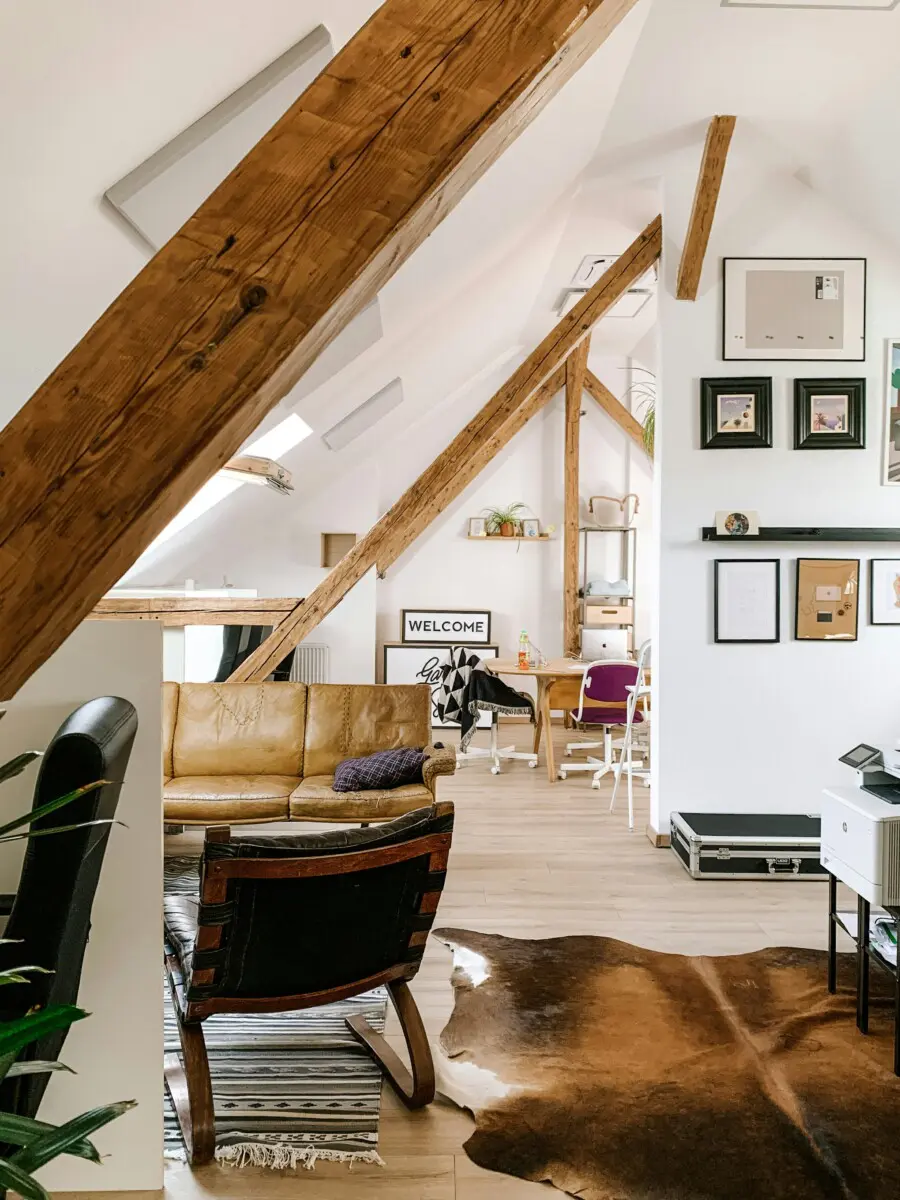
Why Feature Walls Are Trending Again
Feature walls have been part of interior design for decades, though the way they are used has evolved. Instead of bold colours or dramatic wallpaper patterns alone, today’s interiors often focus on depth, texture, and subtle architectural detail.
This shift reflects a broader trend in modern design. Homeowners increasingly prefer interiors that feel layered and visually interesting without appearing overly busy. Textured walls, natural materials, and structured surfaces help achieve this balance.
Feature walls also allow people to experiment with design ideas without committing to a full-room transformation. By highlighting a single wall, it’s possible to introduce a new material or texture while keeping the rest of the space calm and balanced.
The result is an interior that feels thoughtful and stylish with relatively minimal effort.
Make Plain Walls More Interesting
Many homes include large blank walls that can sometimes make a room feel unfinished. Adding structure or subtle detail can instantly improve the look of these spaces.
Panelling is one of the most popular techniques for introducing depth. Vertical or geometric panels create patterns that catch the light and draw attention to the wall. These designs work well in living rooms, bedrooms, and hallways where visual interest can enhance the atmosphere of the space.
Another option is combining different materials within the same wall area. For example, pairing painted surfaces with wood textures can create contrast while maintaining a cohesive look.
Lighting can also play a role in highlighting textured surfaces. Wall lights or directional lighting can cast gentle shadows that emphasise the design details, helping the feature wall stand out even more.
These techniques help turn a plain wall into a design element rather than a background surface.
Decorative Wall Panels for Modern Interiors
Decorative wall panels have become a favourite option for homeowners looking to add character without complicated renovations. They provide structure and visual rhythm while fitting neatly into modern design styles.
A particularly popular choice is slatted cladding panels. These panels use evenly spaced vertical slats to create a clean, contemporary pattern that instantly adds depth to a wall.
The linear design works well in minimalist interiors because it introduces texture without overwhelming the space. Slatted panels are often used behind televisions, along hallway walls, or as a feature behind the bed in a bedroom.
They can also help define certain areas within open-plan spaces, visually separating zones such as living and dining areas while maintaining a cohesive design.
Because of their simple yet striking appearance, slatted panels have become a go-to design feature for many modern interiors.
Styling Tips
When adding a feature wall, it helps to consider how the rest of the room will complement the design. A cohesive interior usually starts with a balanced colour palette.
Neutral tones such as soft whites, warm beige shades, and gentle greys provide a calm backdrop that allows textured wall features to stand out. These colours also pair well with natural materials such as wood and stone.
Furniture and accessories should echo the overall style of the room. Simple shapes and natural finishes often work well alongside structured wall features, helping maintain a clean and modern aesthetic.
Lighting is another important factor. Pendant lights, wall sconces, or subtle LED strips can highlight textures and create a welcoming atmosphere in the evening.
Adding plants, artwork, or soft textiles can bring warmth to the space while keeping the design balanced.
Interior design doesn’t always require large-scale changes. Often, a single well-designed wall feature can transform the character of a room.