
Table of Contents
This is a collaborative post.
Modern living is no longer just about looks—it’s about creating spaces that feel intentional, functional, and enduring. As homeowners become more mindful of how their environments influence daily life, material selection has emerged as one of the most important decisions in home design. From kitchens and bathrooms to outdoor living areas, the materials chosen shape not only how a space looks, but how it performs over time.
Thoughtful material choices can elevate a home from ordinary to exceptional, blending durability with design to create spaces that support both lifestyle and longevity.
The Shift Toward Intentional Design
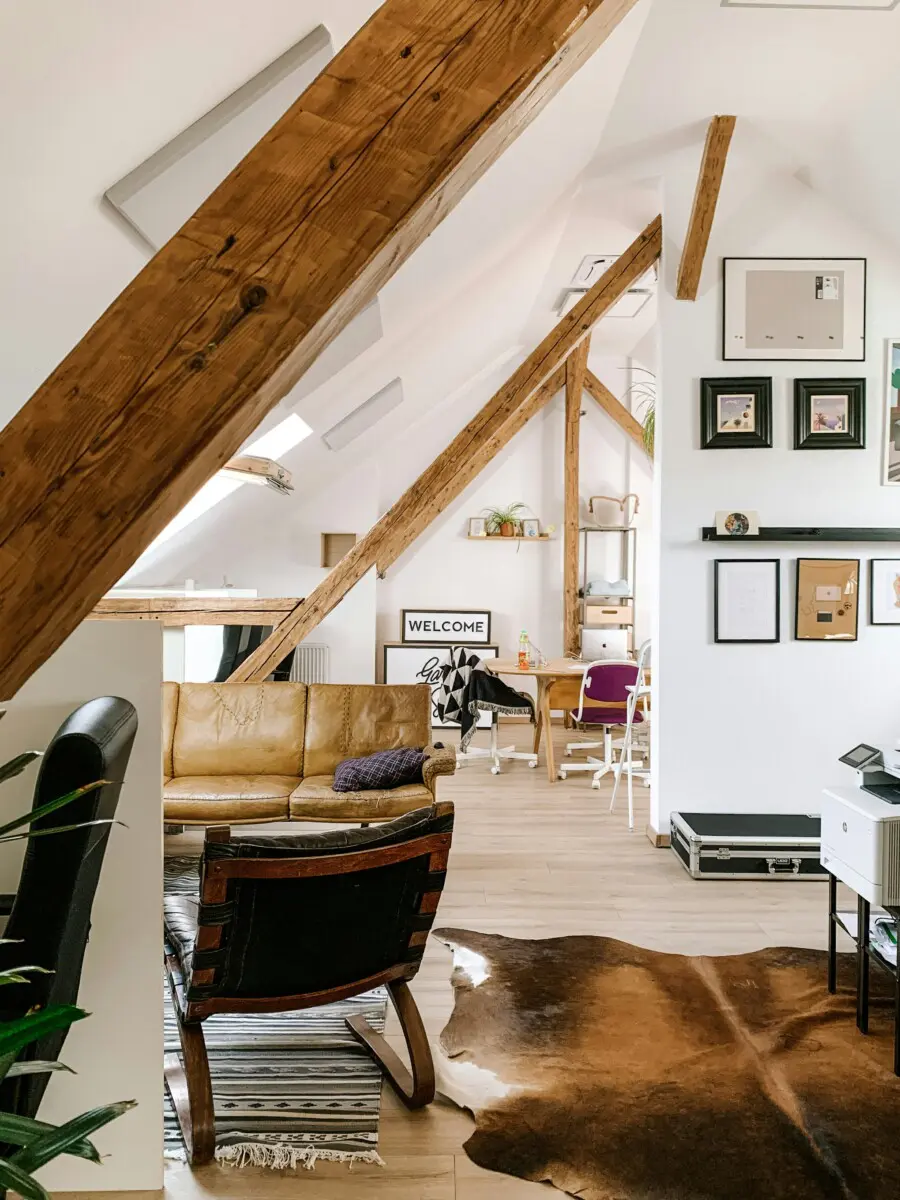
In recent years, there has been a noticeable shift away from fast, trend-driven interiors toward more intentional, long-lasting design. Homeowners are increasingly prioritizing quality over quantity, opting for materials that age well and require less frequent replacement.
This shift is driven by several factors. Sustainability concerns encourage the use of durable, responsibly sourced materials. At the same time, the rise of multifunctional living spaces—where kitchens double as workspaces and outdoor areas become extensions of the home—demands materials that can withstand daily wear and tear.
As a result, material selection is no longer an afterthought. It is a foundational element of modern home design.
Durability As A Design Principle
Durability is often associated with practicality, but it is also a powerful design tool. Materials that stand the test of time contribute to a home’s overall character, developing patina and depth rather than deteriorating with age.
For example, natural metals like copper and stainless steel are increasingly used in kitchens, bathrooms, and outdoor areas. These materials are not only resilient but also visually dynamic. Copper, in particular, evolves over time, creating a unique finish that reflects the life of the home.
Choosing durable materials means fewer replacements, less maintenance, and a more sustainable approach to living. It also allows homeowners to invest in pieces that become integral to the identity of their space.
The Role Of Texture And Finish
While durability ensures longevity, texture and finish bring personality to a home. The tactile experience of a space—how surfaces feel and interact with light—can dramatically influence its atmosphere.
Matte finishes, for instance, create a soft, understated look that works well in contemporary interiors. Polished surfaces, on the other hand, add brightness and reflectivity, making smaller spaces feel more open. Hammered or textured metals introduce depth and artisanal appeal, offering a sense of craftsmanship that mass-produced materials often lack.
By thoughtfully combining textures, homeowners can create layered, visually engaging environments that feel both curated and comfortable.
Kitchens As The Heart Of Material Innovation
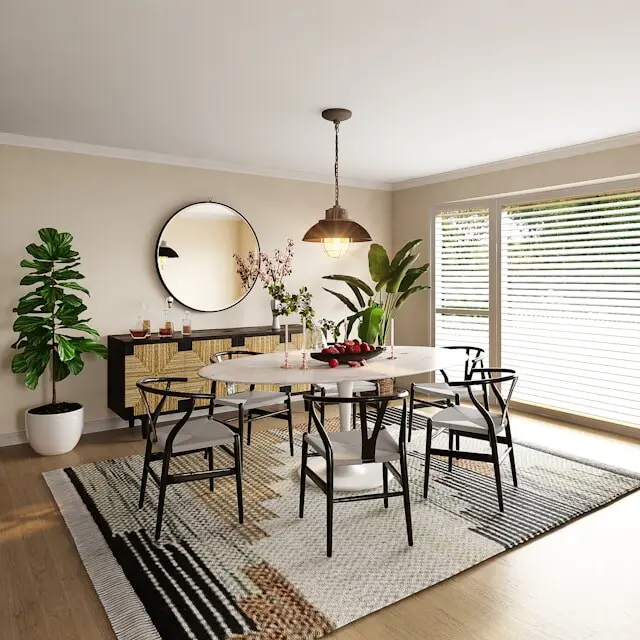
The kitchen is often considered the centerpiece of the home, and it is also where material choices have the most impact. From countertops and sinks to cabinetry and appliances, every element must balance functionality with design.
Materials like copper and stainless steel are particularly well-suited for kitchen environments. They are resistant to heat, easy to clean, and capable of withstanding heavy use. At the same time, they bring a distinctive aesthetic that elevates the overall look of the space.
Incorporating high-quality materials into key features—such as a statement sink or a custom range hood—can transform the kitchen into a focal point that blends practicality with style. Subtle additions, like metal accents or durable surfaces, further enhance the space without overwhelming it.
For those exploring premium options, collections from providers like World CopperSmith demonstrate how functional elements can also serve as design highlights within the home.
Bathrooms That Balance Luxury And Function
Bathrooms have evolved from purely utilitarian spaces into personal retreats. Material selection plays a crucial role in achieving this balance between luxury and function.
Stone, ceramic, and metal are commonly used to create spa-like environments that are both durable and visually calming. Copper bathtubs, for example, offer excellent heat retention while adding a sculptural element to the room. Similarly, high-quality fixtures and finishes can elevate even the simplest layouts.
Water resistance, ease of cleaning, and longevity are key considerations in bathroom design. Choosing materials that meet these requirements ensures that the space remains both beautiful and practical over time.
Extending Design Outdoors
Outdoor living spaces have become an essential part of modern homes, especially as people seek to maximize their connection to nature. Patios, gardens, and outdoor kitchens are now designed with the same level of care as interior spaces.
This shift requires materials that can withstand exposure to the elements while maintaining their appearance. Metals, stone, and treated wood are popular choices for outdoor furniture, fire features, and planters.
Copper, in particular, performs well outdoors due to its natural resistance to corrosion. Over time, it develops a patina that blends seamlessly with natural surroundings, enhancing the overall aesthetic of the space.
Sustainability Through Longevity
Sustainability in home design is often associated with energy efficiency and eco-friendly products, but material longevity is equally important. Choosing materials that last reduces the need for frequent replacements, minimizing waste and environmental impact.
High-quality metals, responsibly sourced wood, and durable composites all contribute to a more sustainable home. These materials may require a higher initial investment, but they offer long-term value through reduced maintenance and replacement costs.
Additionally, many durable materials are recyclable, further supporting sustainable practices. By prioritizing longevity, homeowners can create spaces that are both environmentally responsible and economically sensible.
Personalization And Craftsmanship
One of the most exciting aspects of thoughtful material selection is the opportunity for really making the design yours. Custom finishes, handcrafted details, and unusual material combinations allow homeowners to create spaces that reflect their individual style.
Artisanal techniques, such as hand-hammering or custom patination, add character and authenticity to a home. These elements stand in contrast to mass-produced designs, not just a replica of something seen in a magazine.
Purchasing handcrafted materials also supports skilled makers and traditional craftsmanship, adding another layer of meaning to the design process.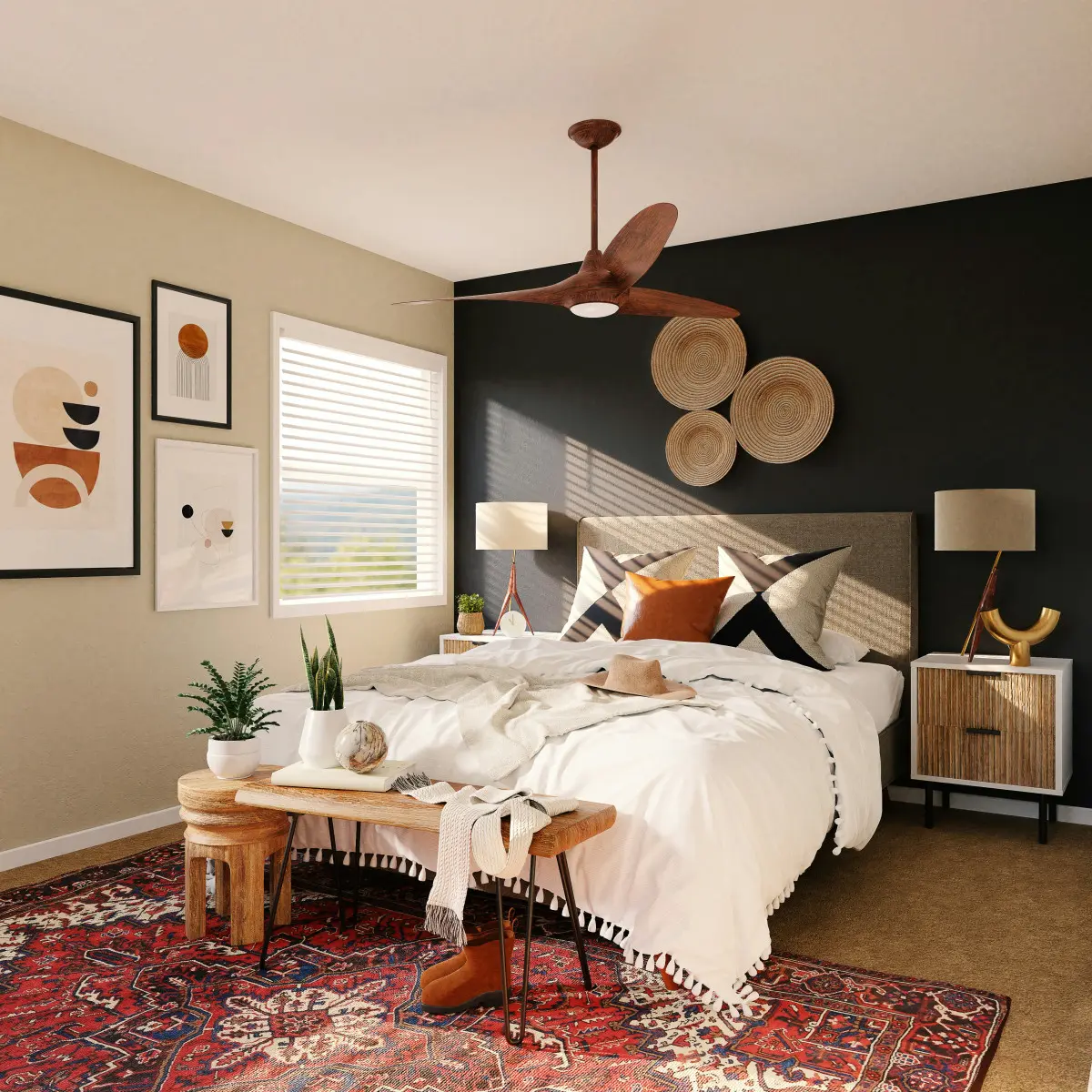
Cohesion Across Spaces
A well-designed home feels put together, with each room contributing to a unified look. Material choices play a key role in achieving this harmony.
Using a consistent palette of materials—such as repeating metal finishes or complementary textures—helps tie different areas together. For example, a copper accent in the kitchen can be echoed in the bathroom or outdoor space, creating a sense of continuity.
This approach does not mean every room must look identical. Instead, it allows for variation within a framework, ensuring that the home feels balanced and thoughtfully designed.
Lasting Impact
Ultimately, the materials chosen for a home have a lasting impact on how it looks, feels, and functions. Thoughtful selection goes beyond trends, focusing on quality, durability, and personal expression.
By investing in materials that align with both lifestyle needs and design preferences, homeowners can create spaces that stand the test of time. These environments not only support daily living but also enhance it, turning ordinary moments into experiences of comfort and beauty.
In a world where homes serve as sanctuaries, workspaces, and gathering places, the importance of material choices cannot be overstated. When approached with intention, these decisions have the power to transform modern homes into spaces that truly elevate everyday living.