
Table of Contents
When selling a home, most owners focus on kitchens, bathrooms, and fresh paint. Yet the garden can quietly shape a buyer’s first impression just as strongly as the interior. In the UK especially, outdoor space has become a key selling point, particularly since more people now value gardens for relaxation, entertaining, and even growing food.
An edible garden can be appealing, but not all buyers are enthusiastic gardeners. That raises an important question for sellers: does a low-maintenance edible garden make a property more attractive to buyers?
The short answer is yes, in many cases. A thoughtfully designed edible garden that requires little effort can add charm, demonstrate practicality, and make the property feel more liveable from the start. However, the way it is presented matters just as much as the idea itself.
Below, we explore how edible gardens influence buyer perception and how to keep yours appealing rather than overwhelming.
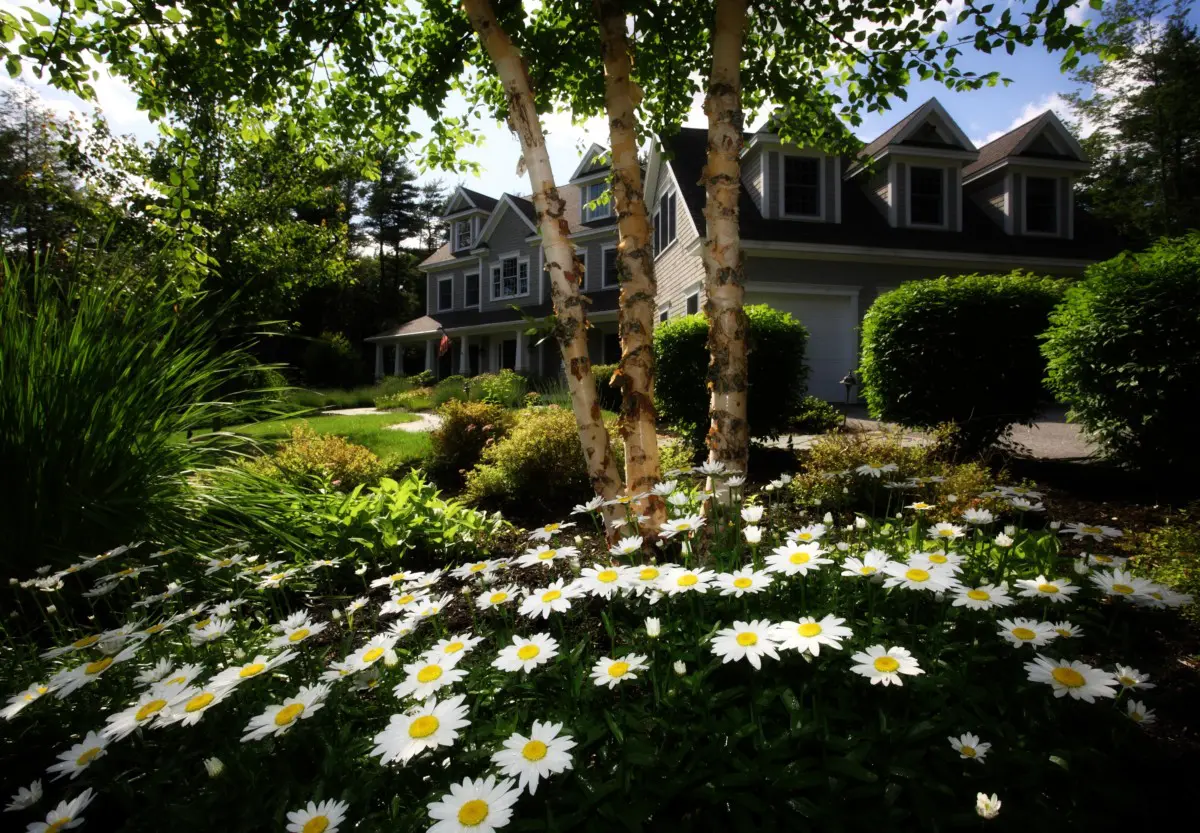
Why Buyers Pay Attention to Gardens
For many buyers, the garden represents potential. It is an extra living space that can be used for entertaining, relaxing, or hobbies.
Estate agents often highlight gardens in property listings because they influence emotional decisions. A well-kept outdoor space suggests that the home has been cared for. Conversely, an overgrown or complicated garden may raise concerns about maintenance.
Buyers usually fall into three groups when viewing a garden:
- Enthusiastic gardeners who enjoy planting and growing food.
- Casual users who like outdoor space but want minimal upkeep.
- Low-interest buyers who simply want a tidy garden with no major work.
A low-maintenance edible garden can appeal to all three groups when designed correctly. It shows possibilities without creating the impression of extra work.
The Growing Appeal of Edible Gardens
Over the last decade, edible gardens have gained popularity across the UK. More homeowners are interested in growing herbs, vegetables, and fruit at home.
Several factors contribute to this trend:
- Rising food costs
- Interest in sustainable living
- Health and wellness awareness
- The satisfaction of growing fresh ingredients
For buyers, seeing edible plants in a garden can spark ideas about how they might use the space themselves. A few raised beds or fruit trees can make the property feel practical and self-sufficient.
However, the key is balance. A garden that looks like a full-scale allotment may feel intimidating to someone who does not garden regularly.
Why Low-Maintenance Matters
While edible gardens are attractive in theory, buyers tend to worry about upkeep. A garden that appears labour-intensive can unintentionally reduce appeal.
This is why low-maintenance design is so important when preparing a property for sale.
Buyers generally prefer features that:
- Look neat and organised
- Require minimal ongoing work
- Offer flexibility for future changes
A tidy herb bed, a small vegetable patch, or a few fruit trees can achieve this without overwhelming the space.
The goal is to show possibility, not commitment.
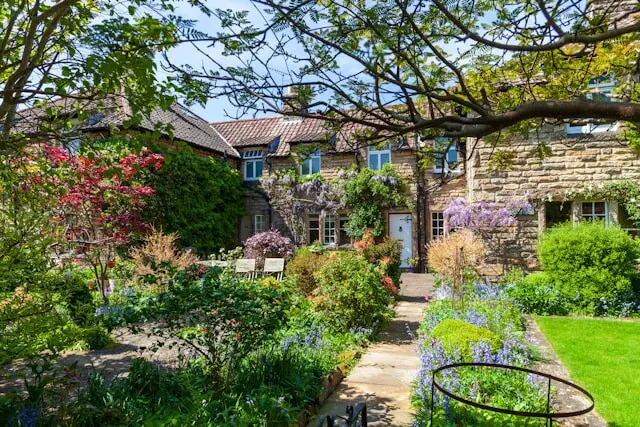
Features That Make Edible Gardens Buyer-Friendly
Certain garden features tend to resonate well with buyers because they are both useful and easy to maintain.
Raised Beds
Raised beds are one of the simplest ways to present an edible garden attractively. They look organised and purposeful while keeping planting areas contained.
For buyers, raised beds signal that gardening is manageable. They also make the space adaptable, since new owners can easily change what is planted.
Even one or two beds can add character without dominating the garden.
Herb Borders
Herb borders or small herb patches are another appealing option. Herbs such as rosemary, thyme, mint, and chives require little maintenance once established.
They smell amazing which enhances the viewing experience.
Many buyers appreciate the idea of stepping outside to pick herbs for cooking. It feels practical and enjoyable without appearing like a chore.
Fruit Trees and Bushes
Fruit trees and bushes can make a garden feel established and productive.
Good options include:
- Apple trees
- Pear trees
- Raspberry canes
- Blackcurrant bushes
- Strawberry beds
These plants generally require modest care and produce visible rewards. A mature apple tree, for example, can become a charming focal point that buyers remember.
Edible Landscaping
Edible landscaping blends food-producing plants with decorative elements. Instead of separating ornamental and edible areas, the two work together.
Examples include:
- Kale or chard used as colourful foliage
- Lavender bordering vegetable beds
- Strawberry plants used as ground cover
This approach makes the garden look beautiful first and functional second. Buyers see an attractive space rather than a working vegetable plot.
Avoid Overcomplicating the Garden
When preparing a home for sale, simplicity usually wins.
A garden filled with complex structures, irrigation systems, or extensive planting schemes can make buyers worry about upkeep.
If your edible garden has grown into something larger over the years, consider scaling it back slightly before listing the property.
Focus on:
- Keeping pathways clear
- Reducing overcrowded beds
- Removing unused garden equipment
- Trimming plants neatly
The aim is to present a space that feels welcoming and manageable.
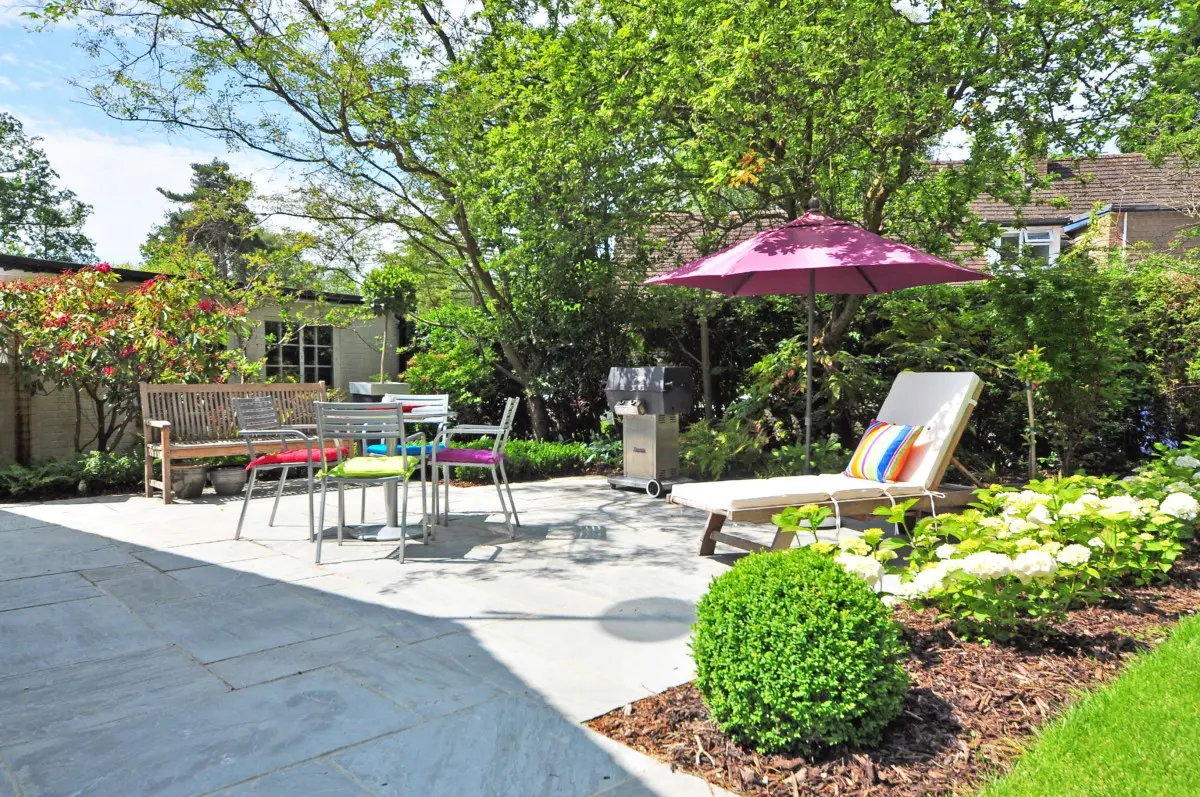
Presentation Matters During Viewings
A garden may only take a few seconds to influence a buyer’s impression, especially during the first viewing.
Small presentation details can make a big difference.
Before viewings, consider:
- Harvesting overgrown vegetables
- Tidying soil beds
- Watering plants so they look fresh
- Removing dead leaves or damaged plants
A clean and organised edible garden feels intentional. Buyers are more likely to view it as a positive feature rather than a maintenance task.
If there are signs of pests, addressing them early is wise. Occasionally homeowners even consult services such as national pest control providers to ensure the garden is in good condition before marketing the property.
How Edible Gardens Add Emotional Appeal
Buying a home is rarely a purely logical decision. Emotional responses play a significant role.
An edible garden can create a sense of lifestyle.
Buyers may imagine:
- Cooking with fresh herbs
- Picking fruit in summer
- Gardening with family members
- Enjoying outdoor meals with homegrown produce
These images help buyers picture themselves living in the property.
Even people who have never gardened before often find the idea appealing when the setup looks simple.
When an Edible Garden Might Put Buyers Off
While edible gardens have many benefits, there are situations where they may reduce appeal if not presented well.
Potential drawbacks include:
- Large allotment-style layouts that dominate the garden
- Untidy vegetable beds
- Plants that look neglected
- Garden structures that limit usable space
If the garden appears too specialised, some buyers may worry they will need to redesign it entirely.
For this reason, balance and tidiness are essential.
Flexibility Is Key
One of the best ways to make an edible garden appealing is to keep it flexible.
Buyers like the idea that they can easily adapt the space to suit their needs.
You can achieve this by:
- Using movable planters
- Keeping permanent beds small
- Avoiding excessive fencing or partitions
- Leaving open lawn or patio areas
A garden that offers both edible elements and general outdoor space tends to appeal to the widest range of buyers.
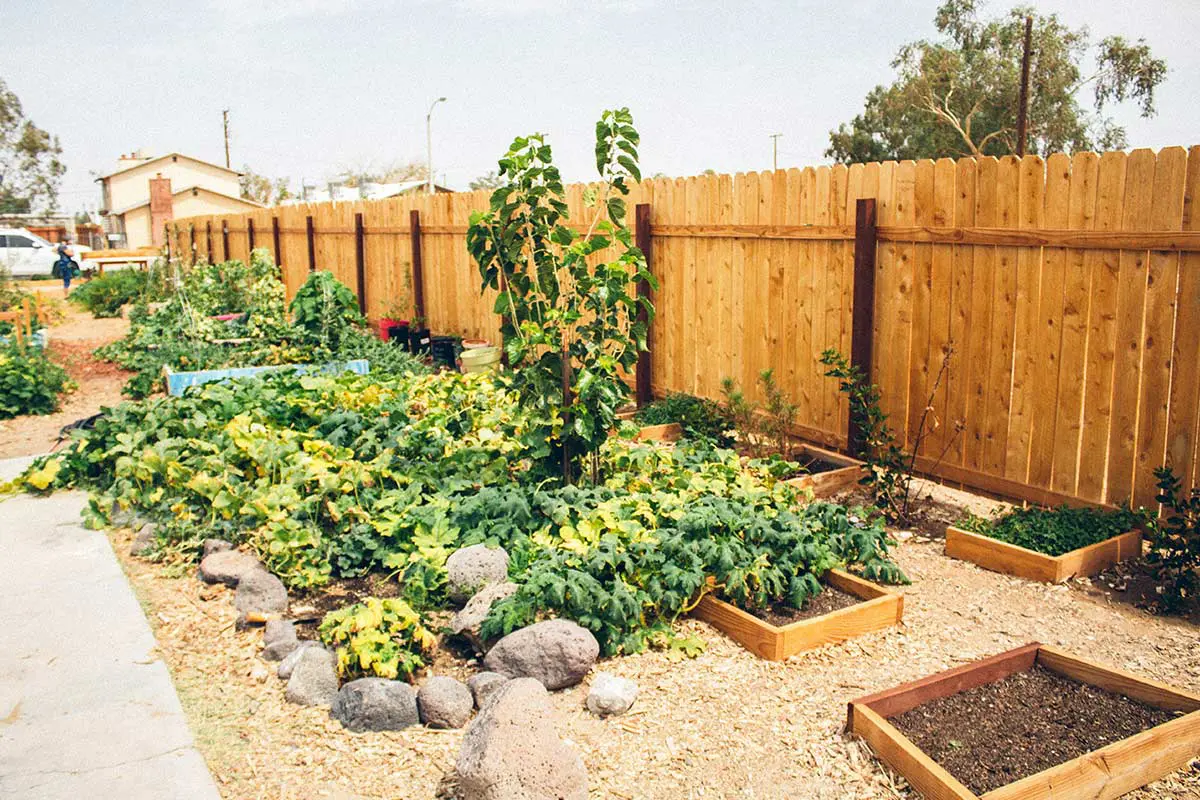
Does an Edible Garden Increase Property Value?
While it is difficult to place an exact financial value on a garden feature, a well-maintained outdoor space can certainly help a property sell faster.
Gardens that are attractive, practical, and easy to manage can improve overall buyer perception of the home.
In competitive markets, these small advantages can matter.
However, if a homeowner needs to sell quickly due to relocation or other circumstances, they may still choose alternative selling routes. Some sellers even look into best fast house buying companies when speed is more important than maximising value.
That said, for traditional sales, presenting an appealing garden remains a valuable step.
Simple Ways to Prepare an Edible Garden Before Selling
If you already have an edible garden, a few simple improvements can help it appeal to buyers.
Consider these steps:
- Declutter the space
Remove unused pots, broken tools, or excess containers. - Trim and tidy plants
Neat plants look healthier and easier to manage. - Add clear structure
Use defined beds or borders to create visual order. - Leave some open space
Balance planted areas with lawn or patio space. - Highlight key plants
Fruit trees or herb beds can become attractive focal points.
These small changes can transform how the garden feels during a viewing.