
Table of Contents
This is a collaborative post.
Since the introduction of the Clean Air Zone in Birmingham, the city’s streets look quite different. More drivers are looking to swap their older cars for something that doesn’t attract a daily charge. The shift has been particularly noticeable for those regularly crossing the Middleway, where the daily charge has made the business case for going electric almost undeniable.
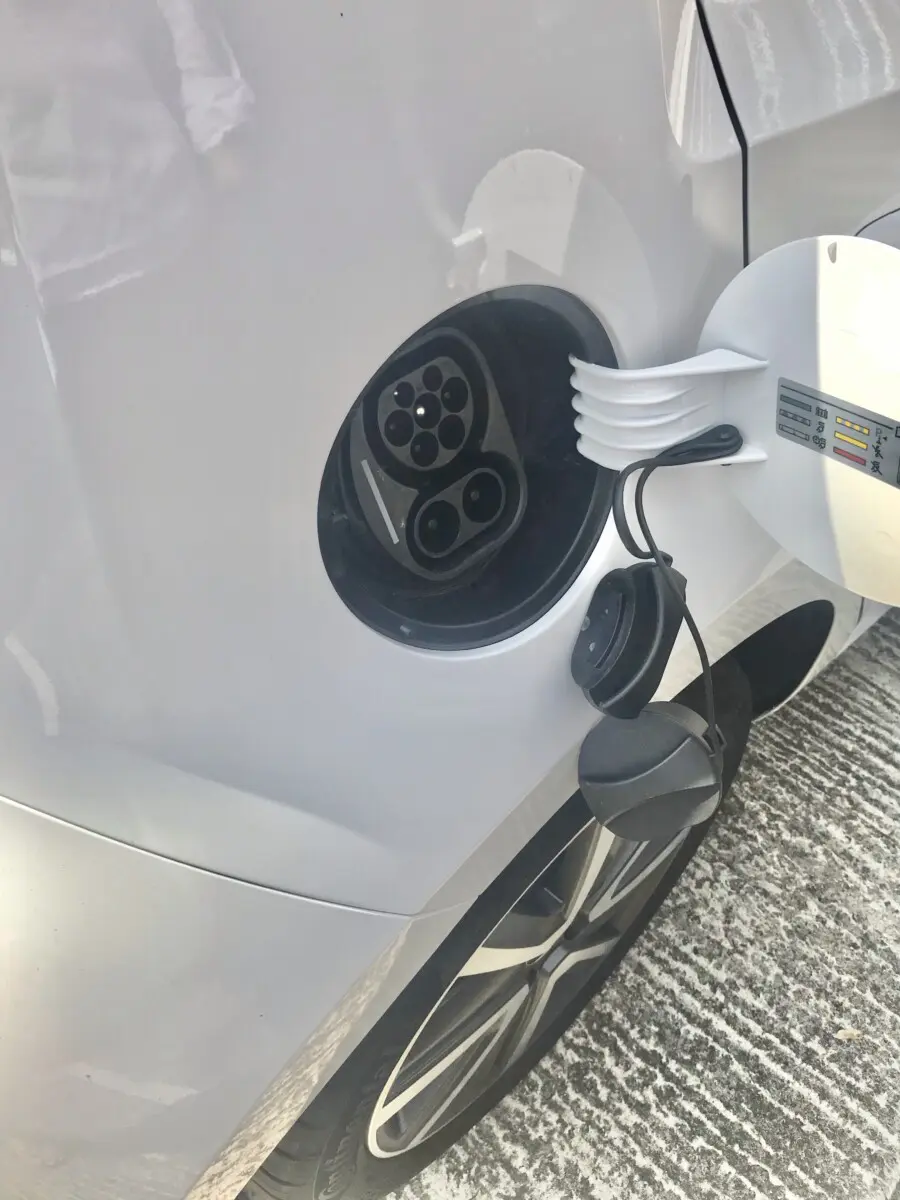
Public Charge Points and Council Investment
Birmingham City Council has made significant strides in expanding the local charging network. You will see more charging posts appearing in council-owned car parks and on residential streets where off-street parking is limited. This investment is vital because it gives people the confidence to switch even if they don’t have a driveway. The focus has been on a mix of rapid chargers for quick top-ups and slower units for overnight stays.
It is worth pointing out that while the numbers are growing, the distribution isn’t always even across the city. While the city centre boasts excellent coverage, including major ultra-rapid hubs like the 400kW facility in Aston, the council is now aggressively targeting the outer suburbs to ensure no district is left isolated.
They’re working with private partners to fill these gaps, as they know that visibility of chargers is often the biggest hurdle for hesitant buyers. The council will continue to roll out more points as part of their wider carbon reduction targets.
How Workplaces Help Drivers Go Electric
Employers in the West Midlands are playing a massive part in this transition. Many businesses now offer specific schemes to help their staff get behind the wheel of an electric car. This often involves salary sacrifice arrangements which can save employees a significant amount on their monthly tax bills. It makes a brand-new electric car much more affordable for the average worker.
Staff can now choose from various options to make the switch easier. Companies look at salary sacrifice schemes or monthly subscription services to help their teams. Providers such as EZOO offer flexible pay-as-you-go subscriptions that bundle insurance and maintenance into one fee, while traditional leasing firms continue to cater to those seeking longer-term commitments.
These options mean that workers don’t have to worry about the high upfront costs that usually come with buying an EV outright.
National Support for Home and Work Charging
The UK government provides several incentives to make the transition smoother for everyone. These initiatives help to lower the cost of installing the hardware needed to keep a car topped up. It isn’t just about the vehicles themselves, but also the equipment that supports them.
There are currently a few main ways that the government supports the rollout of charging points:
- The EV Chargepoint Grant provides up to £500 towards the cost of a socket for renters, flat owners, and even those with only on-street parking who use approved cross-pavement solutions.
- The Workplace Charging Scheme now offers businesses vouchers worth £500 per socket to help cover the purchase and installation of on-site chargers for up to 40 spaces.
- The Local Electric Vehicle Infrastructure (LEVI) Fund is the primary tool helping Birmingham City Council install thousands of residential points in areas without private driveways.
The Right Direction
Birmingham is certainly moving in the right direction. The combination of the Clean Air Zone and increased council spending has created a strong foundation for an electric future. While there is still work to do in terms of reaching every corner of the city, the progress is visible. Businesses are also stepping up by offering better access to electric cars through work-based schemes.
As more rapid chargers come online and the cost of vehicles continues to level out, the barrier to entry will drop. The city is clearly preparing for a future where petrol and diesel are the exceptions rather than the rule. It will be interesting to see how the grid holds up as the numbers continue to climb over the next few years.