
Table of Contents
Buy beautiful garden furniture here!
Way (and I mean way before) rattan became fashionable again, skipping the 80’s, 90’s, the noughties and making a return a few years ago, I loved rattan. I always loved rattan. I was always drawn to this beautiful, natural, elegant but still laid back and very 70’s looking furniture material. For years, I’ve had this life goal of owning a a real peacock chair. I’ve not bought one yet, even though, I said I will once I own a house. But I did buy a few other items like rattan chairs and rattan mirror.
Rattan was and yet again is a popular material, used in furniture and home decor due to its natural beauty and flexibility. Lately, it’s also filling instagram feeds of interior creators, who prefer modern and natural looks combined. Rattan also complements mid-century styles, which is why I love it.
But did you know, faux rattan have now taken over the “natural aesthetic” industry.
However, as with many materials, it’s important to differentiate between real rattan and synthetic imitations, especially if you’re making an investment in quality pieces. Unfortunately, today, the vast majority of what is sold as rattan is not rattan at all.
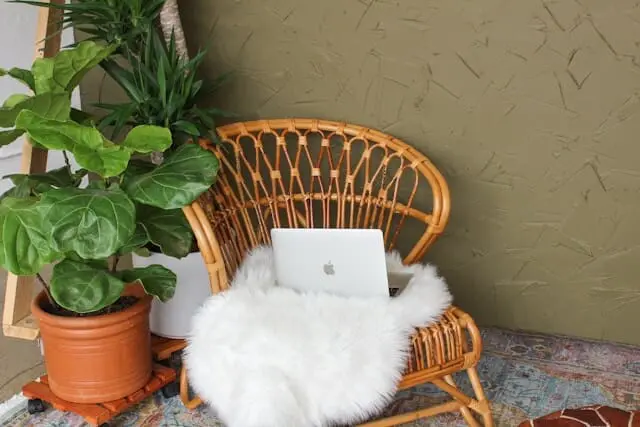
What is Rattan?
Rattan (also spelled ratan) is a type of climbing palm native to the tropical forests of Southeast Asia. Is harvested for its long, flexible stems. It’s stripped into canes and woven by hand. Traditionally, it has been used in crafting furniture and weaving decorative items. Real rattan is known for its durability, lightweight nature, and natural look.
Is wicker and rattan the same?
No. Wicker is not a material.
Wicker is ancient technique used to manufacture items out of natural materials such as willow, rush, rattan, and more. Basically, the crafters make the natural materials wet so that they can be easily woven to create wicker design furniture pieces. So, rattan furniture is often made with the wicker technique, however wicker furniture is not restricted to rattan material only and can use other materials natural materials.
Buy beautiful garden furniture here!
How to Tell if Rattan is Real or Not
Visual differences
One of the simplest ways to identify real rattan is through a careful visual inspection. Here are some characteristics of real rattan to look for:
Texture: real rattan has a natural, uneven texture that feels warm and organic to the touch. Synthetic rattan, on the other hand, often has a uniform and smooth finish, which can feel cold and unnatural. Real rattan is woven by hand (often referred as a caning technique), strand by strand: a tradition passed through generations of makers.
Color variations: authentic rattan features subtle color variations, as it is derived from a natural source. Look for hues that can range from light tan to dark brown. Artificial rattan tends to have a more consistent color, lacking the depth that real rattan offers. Also, fake rattan is often it’s too shiny or some pattern seem to be repeating.
Knots and joints: if you closely examine a piece of furniture, you may notice knots or joints in the rattan strand itself. These imperfections are characteristic of natural material. Synthetic rattan will typically have straight lines and seamless appearances. There shouldn’t be wide gaps. The weave should be tight, dense, and even.
Physical properties
In addition to visual cues, the physical properties of rattan can help you determine its authenticity:
Weight: real rattan is generally lightweight yet sturdy. If the piece feels excessively heavy or too flimsy, it may be a sign of synthetic materials.
Flexibility: A true rattan strand is flexible and can bend without breaking. If you feel resistance when trying to bend the material, it’s possible you’re dealing with a synthetic alternative.
Sound: Tapping real rattan produces a rich, hollow sound, indicating the material’s structure. Synthetic materials may sound dull or solid when knocked.
Smell test
Your nose can be a useful tool in identifying real rattan. Authentic rattan has a natural, earthy fragrance that can be particularly noticeable when the item is new, but often years after that too. If you detect a strong chemical odor or no smell at all, it’s a strong indication of synthetic materials.
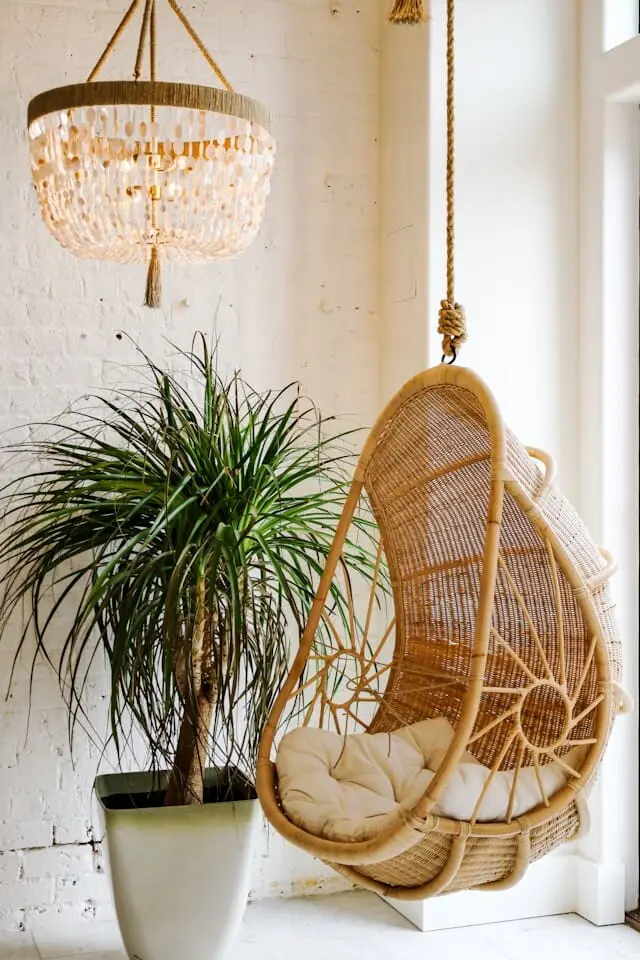
Manufacturer labels
Another effective way to ensure you’re purchasing real rattan is to check the manufacturer’s label or description. Many brands that pride themselves on quality craftsmanship and ethical sourcing from makers will specify that their furniture is made from genuine rattan and who made them. If purchasing online, read customer reviews and product descriptions carefully.
Buy beautiful garden furniture here!
Indoor use only
Real rattan furniture will not survive outdoors. It will rot, crack and get mould. So everything you see in garden centres as garden furniture will be faux rattan. Real rattan can be only really used for indoor furniture.
Price point
While not a definitive indicator, the price of rattan furniture often reflects its authenticity. Real rattan may be more expensive than synthetic alternatives due to the sourcing and craftsmanship involved in its production. If the deal seems too good to be true, it probably is.
Expert consultation
If you’re still uncertain, consider consulting with a furniture expert or knowledgeable, specialist retailer. They can provide valuable insights and help verify the authenticity of a piece before you make a purchase decision.
Caring for your real rattan pieces
Once you’ve identified your piece as real rattan, it’s essential to know how to care for it properly. Real rattan requires regular maintenance so it remains just as beautiful when you purchased it. With the right care, rattan will last for decades.
Not for outdoor use
Especially not in the UK climate!
Rattan easily and quickly degrades outside if not treated against damp and wetness as well as UV damage.
Cleaning
Wipe down surfaces with a damp cloth to remove dust and dirt. Avoid soaking the rattan in water, as excessive moisture can weaken the strands.
Avoid direct sunlight
Even though, rattan has always been the star of conservatory furniture, you need to know that prolonged exposure to direct sunlight can cause rattan dry and fade, eventually even crack. Placing furniture in shaded areas or using protective covers can help maintain its appearance.
Regular inspection
Keep an eye out for any signs of damage or wear, such as fraying strands or loose joints. Addressing these issues early can prevent further deterioration of your furniture.