
Table of Contents
Want to cool your home without trashing the planet (or your wallet)?
The way most homeowners view cooling their homes: Install a good air conditioner and keep it blasting all day long. The way it actually works: Your air conditioner is only one part of an effective, energy efficient, home cooling strategy. The other part? Eco-friendly cooling practices.
Do that and you’ll get:
- Lower energy bills
- Better indoor air quality
- A longer-lasting AC unit
Why Eco-Friendly Cooling Matters
Air conditioners are workhorses. But they are also energy guzzlers.
Here’s one statistic you may not know — air conditioning is responsible for nearly 19% of all electricity usage in American households. That is one large slice of your electric bill.
So what does this mean for you? It means your AC is the single biggest opportunity to cut energy use in your home.
But there’s another reason to pay attention here…
Indoor air quality. The EPA reports most people realise we spend an average of 90% of our time indoors. What that means is the quality of air inside your home matters way more than the air outside. Your AC unit plays a massive role in the filtering of that air.
Your air quality inside will decline rapidly when your AC system is dirty or neglected. Dust, mold, allergens and VOCs will begin to accumulate. And before you know it, you are breathing in things you really do not want in your lungs.
That’s why a combination of cooling habits and maintenance is necessary. If you’re searching for air conditioning repair in Washington DC, then having both professional service and intelligent daily practices will provide the most benefit to the quality of your indoor air and your utility expenses.
The Best Cooling Habits To Pair With AC Maintenance
Now for the fun part. Here are some green-cooling tips that go along with routine air conditioner maintenance. Choose a few to incorporate into your lifestyle and enjoy your savings on energy.
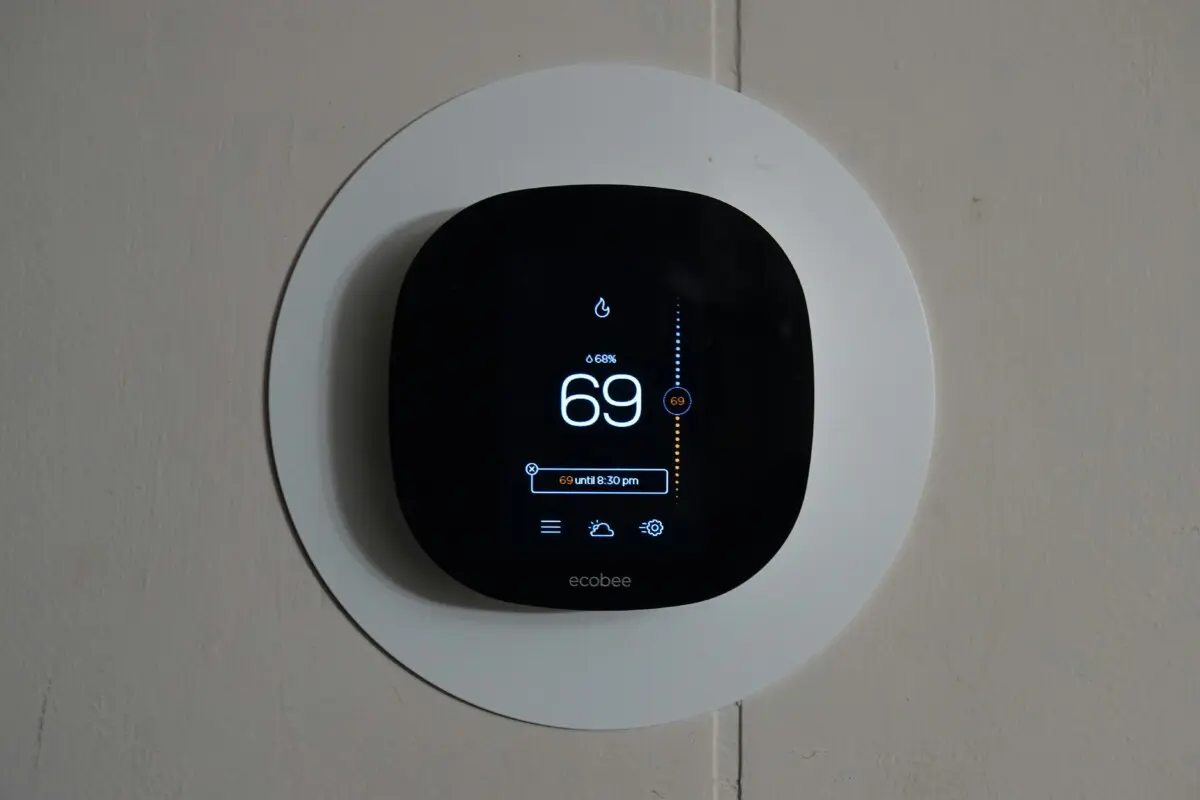
Set Your Thermostat Smarter (Not Lower)
This one is easy. But hardly anyone does it right.
Most folks set their thermostat at 68°F when it’s hot outside and complain about the high bills. Solution: Set your thermostat to 78°F when you’re home and higher when you’re away. For each degree you set your thermostat higher, you’ll save 6-8% on cooling costs.
Couple this with a clean filter and a tuned-up system and you’ll start to notice the savings. An ignored AC unit has to work twice as hard to reach the same temperature.
Pro tip: Get a programmable or smart thermostat. They do the work for you.
Use Ceiling Fans The Right Way
Ceiling fans are one of the most underrated tools in the eco-friendly cooling playbook.
This is the thing most people don’t know – fans are cool people, not rooms. So when you leave the room, just turn the fan off. And in the summer, be sure your fan rotates counter clockwise. This will force cool air down, making it feel about 4 degrees cooler.
Used correctly, fans allow you to turn up your thermostat a few degrees without it being noticed. That in itself saves a significant amount of energy each month.
Block The Sun Before It Gets In
Sunlight streaming through your windows is one of the leading causes of your AC overworking itself.
Some easy fixes:
- Close blinds and curtains during peak sun hours
- Install thermal or blackout curtains
- Add window film or solar shades
- Plant trees or shrubs near sunny windows
These changes lower the heat load on your house. Which means your AC doesn’t run as much, or use as much power.
Change Your Filters Like Clockwork
This is the easiest maintenance task in the world. And it’s the one most people forget.
A clogged filter restricts airflow, forces your AC to work harder, and recirculates dust back into your home. The U.S. Department of Energy reports that simply changing or cleaning filters regularly can reduce your AC’s energy consumption by 5-15%.
Change your filter every 1-3 months. Set a reminder on your phone if you need to. Your AC (and your lungs) will thank you.
Indoor Air Quality Wins You Can’t Ignore
Eco-friendly cooling is not just about saving money. It’s about creating a healthier home.
Performing AC maintenance along with a few smart cooling habits can make a major impact on your indoor air quality.
Check it out:
Fewer irritants: A clean system with new filters traps more particles before they reach your air. That means less sneezing, less coughing and fewer asthma triggers.
Improved humidity control: A well-functioning AC removes moisture from the air. If the humidity is too high, it causes mold to grow. If the humidity is too low, you end up drying out.
Fewer pollutants: The EPA cites carbon monoxide, mold, particulate matter and VOCs as the most common indoor air pollutants. Good ventilation and a clean AC help flush those out.
How To Build A Year-Round Routine
Optimal performance is achieved when maintenance and habits are no longer viewed as separate entities. They are symbiotic.
Here is a simple year-round plan to follow:
- Spring: Book a professional AC tune-up before the heat arrives. Change filters. Calibrate your thermostat.
- Summer: Follow smart thermostat recommendations. Use fans. Shade the sun. Replace filters every 1-3 months.
- Fall: Have one more inspection completed. Clean the outdoor unit. Look for rust, debris or wear.
- Winter: Cover your outdoor unit if needed. Plan upgrades or repairs for spring.
That’s it. Not complicated. Not expensive. Just consistent.
And if you are considering a replacement, according to the Department of Energy, high-efficiency systems combined with more efficient practices can reduce cooling costs by 20-50%. That’s a very high yield for a few good choices.
The Bottom Line
Green cooling isn’t a choice between comfort and the environment. It’s both, and more.
When you pair routine AC maintenance with smart cooling habits, you get:
- Lower bills — less energy waste means more money in your pocket.
- Better air — cleaner filters and proper ventilation boost indoor air quality.
- Longer system life — a well-maintained AC lasts years longer.
- A smaller footprint — less energy used means less impact on the planet.
To quickly recap:
- Set your thermostat smarter, not lower
- Use ceiling fans the right way
- Block the sun before it gets in
- Change your filters like clockwork
- Stick to a year-round maintenance plan
Begin with one habit this week. Add another one next month. Soon you will have an energy efficient cooling routine that saves money, protects your health and helps the environment simultaneously.