
Table of Contents
This is a collaborative post.
A thriving garden is rarely defined only by its flowers or its structure. What truly brings a landscape to life is movement—birds flitting between branches, pausing in quiet corners, darting across open spaces, or singing from a perch as the light shifts. Birds respond to the subtle architecture within a garden in ways we often overlook: they use edges as highways, dense thickets as shelter, and overlooked corners as essential resting spots.
Creating microhabitats—small, functional spaces woven naturally into your outdoor design—can transform an ordinary garden into a dynamic ecosystem. Even simple additions, such as placing bird feeders near layered shrubs, can make a significant difference in drawing wildlife closer.
Understanding how birds read a garden isn’t complicated. It begins with paying attention to shape, texture, shelter, and the quiet “pockets” where birds feel safe enough to feed, rest, hide, and observe. Microhabitats are about intention rather than size; even a small backyard can support remarkable biodiversity with the right structure.

Why Edges Are Essential for Bird Movement
Edges—those transitional spaces where lawn meets garden beds, or where shrubs meet open air—are some of the most active areas in any bird-friendly landscape. Birds gravitate toward these zones because they offer immediate access to both food sources and protection. A sparrow can forage on seed heads or insects in the open, but at the slightest hint of threat, it can dart back into cover.
Creating inviting edges involves layering plants in a way that mimics natural growth:
- Groundcovers provide foraging surfaces.
- Low perennials and grasses offer seed heads and shelter.
- Shrubs create shade, safety, and nest sites.
- Small ornamental trees add vertical structure.
A layered edge acts as habitat, pantry, and shelter all at once. It is one of the simplest yet most impactful design strategies.
Quiet Corners: The Hidden Heart of a Bird-Friendly Garden
Not every space in a garden needs to be open and polished. Birds rely heavily on quiet, sheltered pockets—areas with reduced foot traffic and dependable cover. These spots offer refuge from predators and weather, and they become natural resting points between feeding or nesting activities.
To create such corners:
- Use dense evergreens or shrubs to block wind and create shade.
- Allow leaf litter to accumulate, which attracts insects and provides foraging opportunities.
- Keep these corners tucked slightly away from your main pathways or sitting areas.
A quiet corner does not need to be visible or decorative; its purpose is function and safety. These small sanctuaries often attract species you might never see in more exposed areas.
The Role of Perches in Daily Bird Behavior
While we tend to focus on flowers and feeders, birds notice vertical structure first. Perches—both natural and added—give birds a vantage point to scan for predators, call to mates, and supervise their territory.
Useful perches include:
- Tree branches
- Tall ornamental grasses
- Pergolas or trellises
- Garden arches
- Even an intentionally placed dead branch (“snag”)
A good perch is never isolated. Birds prefer to perch within quick reach of cover but with enough visibility to feel safe. Place vertical elements within sightline of feeding and watering areas to create natural movement routes through the garden.
Food Microhabitats: Supporting Birds Throughout the Seasons
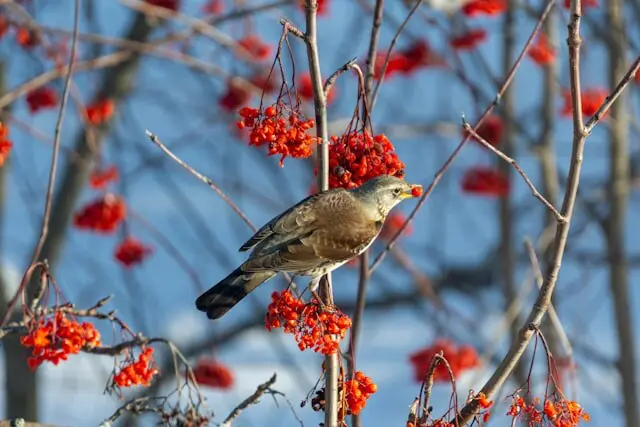
Birds navigate landscapes through food availability. Natural sources—berries, insects, nectar—should form the foundation. But supplemental feeding helps fill seasonal gaps, especially in migration periods or during resource-scarce months.
Midway through your garden, avoid clustering all feeding activity in a single zone. Instead, create several small feeding microhabitats with different functions. This is where hummingbird nectar feeders become especially useful, offering targeted support for species that rely on quick, energy-dense food.
Planting for year-round food is equally essential:
- Early spring: serviceberry, redbud, currant
- Summer: coneflowers, bee balm, sunflowers
- Fall: dogwoods, elderberries, asters
- Winter: holly, juniper, native grasses with seed heads
Leave some seed heads standing through winter, resist over-pruning, and allow natural structure to remain—it all becomes food and shelter.
Water: The Underrated Microhabitat Anchor
A bird-friendly garden without water is like a home without a door. Birds need water for drinking and bathing, and motion—such as drips or gentle bubbling—attracts even more species.
To make water microhabitats effective:
- Provide shallow dishes (1–2 inches deep).
- Add stones or branches for safe footing.
- Keep water clean and refreshed often.
- Use heaters in winter for uninterrupted access.
Place water features where birds have visibility but also nearby shrubs for quick retreat.
Adapting Microhabitats Through Seasonal Rhythms
Gardens should support birds year-round, and microhabitats shift in importance depending on the season.
- Spring brings nest-building and insect foraging.
- Summer requires shade and water.
- Fall demands food-rich plants that fruit late.
- Winter calls for evergreens, seed heads, and fat-rich food sources.
A well-designed garden doesn’t need constant redesign—it simply requires seasonal awareness and small adjustments.
Letting Nature Define the Edges
One of the biggest misconceptions in garden design is that tidiness equals quality. Birds, however, thrive in semi-wild atmospheres. Allowing a shrub to grow irregularly, leaving a stump, or leaving a corner to become a small thicket are all choices that create the microhabitats birds depend on.
Instead of striving for visual perfection, aim for functional balance. Birds remember where they find safety, food, and structure—and they return.
Designing bird-friendly microhabitats is about layering subtle opportunities into your garden. Edges become pathways. Quiet corners become sanctuaries. Perches become observation decks. A few well-placed feeders and water sources tie everything together, transforming your landscape into a living, breathing habitat.
These microhabitats don’t have to be large, dramatic, or elaborate. Birds will use what you provide—whether it’s a carefully layered border or a quiet corner beneath a canopy of leaves. Careful, thoughtful design not only brings more birds into the garden, but also enhances the sense of movement, life, and ecological harmony that every gardener hopes to cultivate.