
Table of Contents
Creating a peaceful garden sanctuary often starts with the soothing sound of trickling water. Integrating these features into your outdoor space does not have to come at a cost to the planet or your local ecosystem.
By choosing sustainable methods and materials, you can enjoy a beautiful focal point that supports wildlife and conserves precious resources for future generations.
Building a greener garden involves looking at how water circulates and how much energy is required to maintain the flow. Discover how you can transform your garden into a sustainable oasis with these practical and eco-friendly ideas.
1. Maximise Natural Recirculation
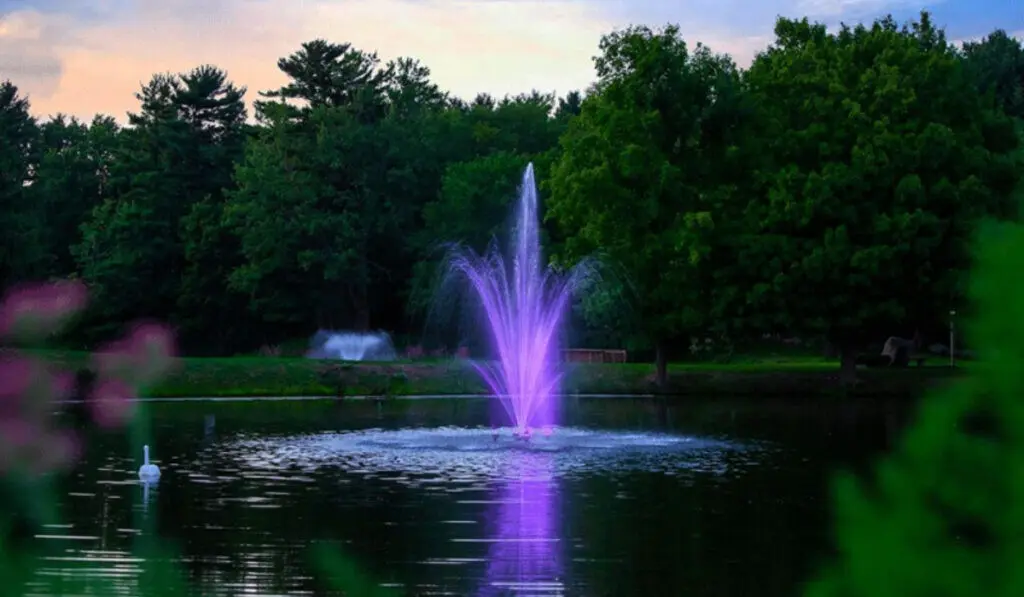
Photo from Everblue Pond
ALT Text: Purple illuminated fountain in a lake with a white swan
Conserving water is a cornerstone of any eco-friendly garden project. By using a closed-loop system, your water feature continuously cycles the same volume of water through a pump and back into the reservoir. This method prevents unnecessary waste while ensuring the water stays oxygenated and healthy for local wildlife.
Why Recirculation Matters
- Zero Waste: Reuses the existing water volume indefinitely.
- Natural Aeration: Constant movement increases oxygen levels for fish and plants.
- Temperature Control: Moving water stays cooler and resists stagnation.
Designing a sustainable pond also offers a chance to play with light and movement.
Incorporating pond fountains with lights from Everblue Pond is a subtle way to extend the enjoyment of your garden into the evening hours. These features suit both small and large ponds, adding a touch of sophistication that elevates the overall beauty of your water feature without requiring a constant fresh water supply.
Biological Filtration
To further enhance this cycle, consider planting native aquatic species around the pond edges. These plants work alongside your pump to naturally filter the water and provide essential shade.
- Algae Control: Plants compete with algae for nutrients.
- Reduced Evaporation: Surface cover keeps the water from disappearing on hot days.
- Habitat Support: Creates a haven for frogs and beneficial insects.
2. Sustainable Upkeep and Wintering
Maintaining a healthy water feature does not require harsh chemicals. By adopting a proactive approach, you can preserve water clarity and protect your equipment throughout the seasons. Simple, natural interventions often yield the best results for both your pond life and the longevity of your pump.
Routine Equipment Care
Regular mechanical checks ensure your system runs efficiently and avoids costly replacements. A clean filter reduces the strain on your motor, which in turn lowers energy consumption.
- Filter Rinsing: Use bucketed pond water, not tap water, to clean sponges and preserve good bacteria.
- Debris Clearing: Keep intake vents free of fallen leaves and twigs to prevent overheating.
- Visual Inspections: Check for steady flow rates to catch potential blockages early.
Protecting Your System in Winter
In colder British months, standing water can freeze and expand, leading to cracked pipes or damaged seals. Taking a few preventative steps in late autumn will save significant repair work in the spring.
- Drain External Lines: Empty any pipes that sit above the frost line.
- Pump Storage: Submerge your pump in a bucket of water in a frost-free shed to keep seals moist.
- Surface Tension: Use a small heater or a floating ball to keep a hole open in the ice for gas exchange.
Finally, adopt a less-is-more maintenance routine. A simple ten-minute weekly checklist is usually sufficient to keep things running smoothly. Empty the skimmer basket, confirm the pump flow is strong, and top off water lost to evaporation.
3. Opt for Low-Maintenance Native Flora
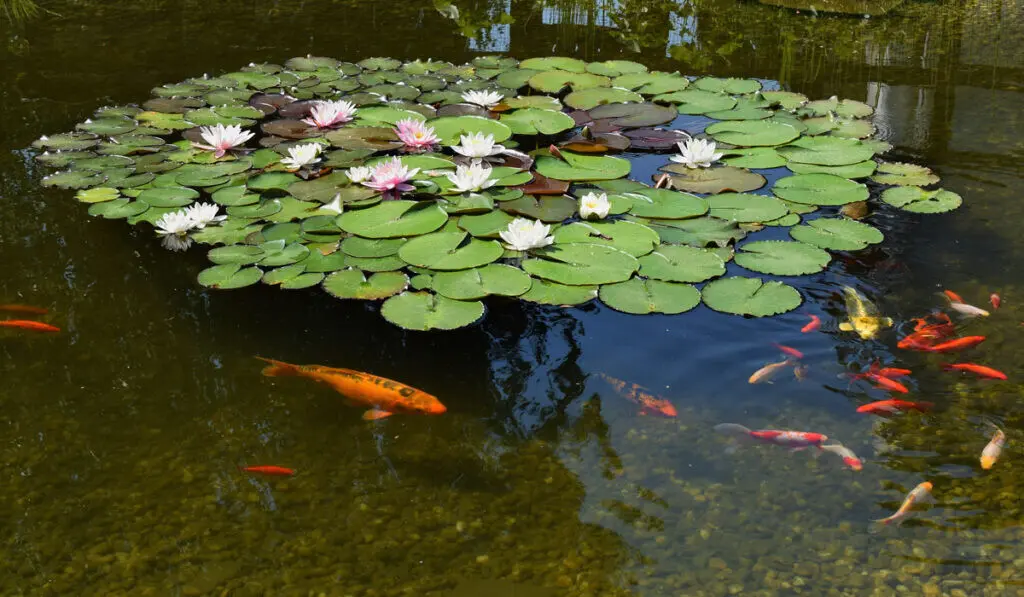
Choosing the right greenery is essential for a self-sustaining water feature. Native aquatic plants are naturally adapted to the local climate and soil conditions, which means they require far less intervention.
Native water plants serve as a natural filtration network for your pond. They improve water clarity by consuming excess nitrogen and phosphorus, which effectively starves off potential algal blooms. These species create a balanced ecosystem that manages its own nutrient levels without the need for chemical fertilisers.
Benefits of Local Species
- Water Conservation: Native plants are accustomed to local rainfall patterns.
- Pollinator Support: Attracts bees, dragonflies, and butterflies to your garden.
- Natural Balance: Outcompetes invasive algae for sunlight and nutrients.
Strategic Planting Zones
Creating layers within and around your pond helps maintain water clarity and provides shelter for wildlife. Oxygenating plants like Hornwort work beneath the surface to keep the water fresh, while marginal plants like Yellow Iris provide structure at the water’s edge.
- Submerged Plants: Oxygenate the water and provide hiding spots for fish.
- Floating Plants: Reduce evaporation and keep the water cool during summer.
- Emergent Plants: Stabilise the pond banks and add vertical interest.
By selecting hardy varieties that thrive in your specific region, you ensure your garden remains a vibrant sanctuary with minimal effort. This approach allows you to spend more time enjoying the scenery and less time on maintenance.
Time to Act
Maya’s garden proved that crystal-clear ponds, darting wildlife, and moonlit water arches can coexist with responsible stewardship. By tapping into solar power, embracing native plants, and leaning on biology over chemicals, you can craft a water feature that elevates your landscape. These changes lower your carbon footprint and create a thriving habitat.
Sustainable water features are designed to be enjoyed, not to hijack your weekend with endless chores. These simple shifts lower your stress levels, leaving you with a luxurious, effortless retreat right outside your door.
| Author Profile: Everblue Pond is the premier online retailer of pond and lake fountains, aerators, and water management solutions for homeowners and property managers seeking to enhance water health, beauty, and sustainability. |