
Table of Contents
Since we got our little dog two years ago and our cat a year ago, we added a little extra responsibility on the top of what we already have, that’s the truth… but it’s worth it. We adore our furry babies and can’t imagine life without them. The human children love having them: playing with them, looking after them, learning about them and growing up with them. It is a priceless experience as a child, to have pets. You can see our dog Luca (he’s a dwarf Cocker Spaniel) and Tokyo, our black cat on the photo below.
All pet owners love their fur babies and naturally, we want to provide them with a safe, healthy and loving home (just like our human family members). However, many of us also have a passion for keeping indoor plants (like me, I adore my plants and my collection is growing).
Unfortunately, not all indoor plants are safe for pets. This article aims to highlight the various indoor plants that can pose risks to our beloved cats and dogs (as well as bunnies and hamsters), along with tips for keeping them safe while still enjoying the beautiful greenery in our homes.

What Are the Risks of Indoor Plants for Pets?
Or you could also ask: what’s the worst that could happen? Actually, quite a few things.
Before diving into specific plants, it’s important to understand how pets can interact with plants and the potential dangers associated with them. Many popular houseplants contain compounds that can be harmful if ingested. These plants can cause various health issues in pets, including vomiting, diarrhea, and even more severe reactions depending on the amount consumed and the type of plant. Most pets are also curious by nature, often chewing on leaves and nibbling at soil, which increases their chances of inadvertently ingesting toxic materials. Even non-toxic plants can cause digestive upset if consumed in large quantities. Keeping an eye on your pets and being mindful of their habits is important.
To create a pet-friendly indoor environment, choose plants that are known to be safe for animals. Additionally, placing plants out of reach can prevent any incidents.
If you suspect your pet has ingested something harmful, contact your veterinarian immediately. Awareness is key. Researching plant types before bringing them home can help you enjoy the benefits of indoor gardening without compromising your pet’s health. Always prioritize the safety of your furry companions while cultivating your indoor paradise. Your home can be both a green haven for you and a safe space for your pets.
Common Indoor Plants That Are Toxic to Pets
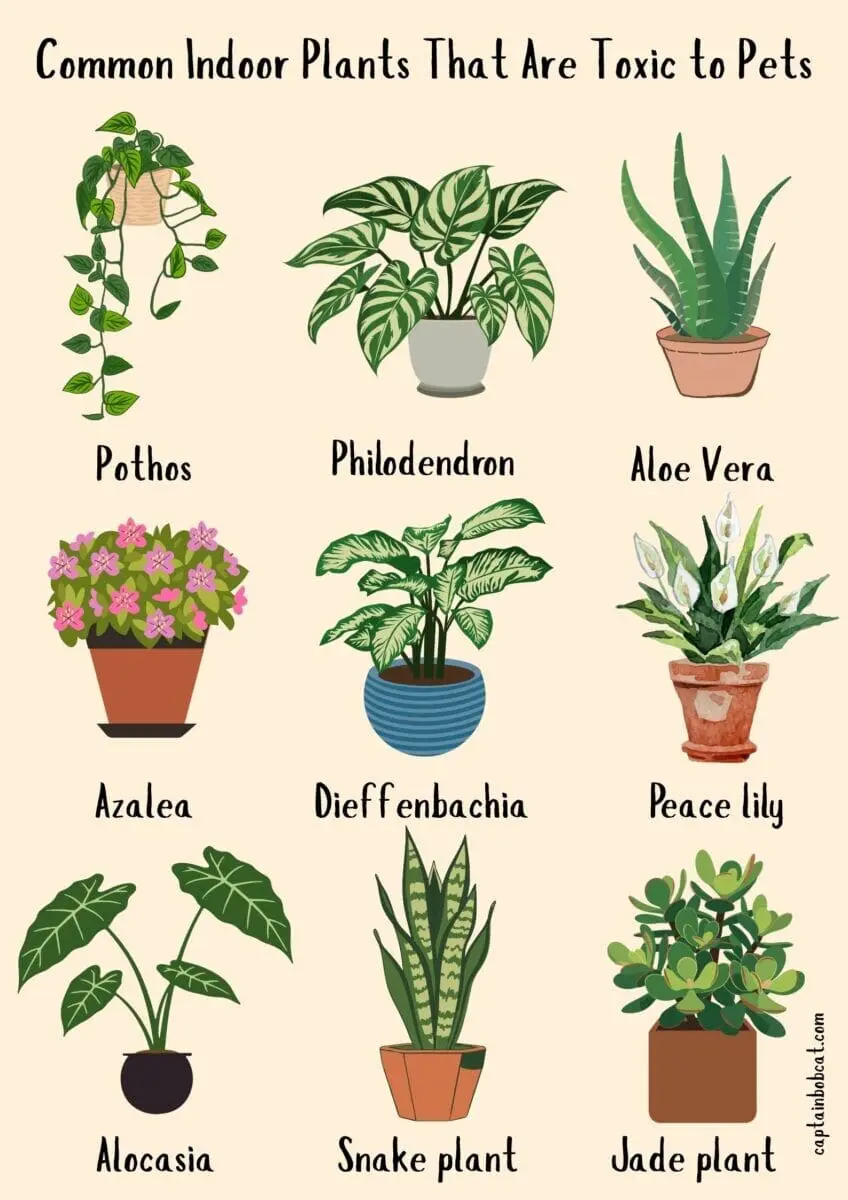
1. Pothos (Epipremnum aureum)
Also known as Devil’s Ivy, Pothos is a common houseplant with stunning trailing vines. Unfortunately, it contains calcium oxalate crystals, which can lead to oral irritation, difficulty swallowing, and vomiting if ingested by pets.
2. Philodendron
This popular houseplant also contains calcium oxalate crystals and can cause similar symptoms as Pothos.
3. Lily (Lilium spp.)
While some lilies are safe as cut flowers, many varieties are toxic to cats and can cause severe kidney damage if ingested. Signs of lily poisoning include vomiting, lethargy, and loss of appetite.
4. Sago Palm (Cycas revoluta)
Although it’s not a true palm, the Sago Palm is highly toxic to both dogs and cats. Ingesting any part of the plant can lead to liver failure and even death.
5. Aloe Vera
Now this is interesting of course, because while aloe vera is great for topical applications and has healing properties, it is also toxic to pets when ingested. It can cause vomiting, diarrhea, and changes in the color of your pet’s urine.
6. Azalea (Rhododendron spp.)
These gorgeous flowering plants can cause significant cardiovascular issues in pets when consumed. Even a few leaves can result in serious harm, so it’s best to keep them out of reach.
7. Oleander Indoors (Nerium oleander)
A beautiful yet highly toxic plant, Oleander contains compounds that can be fatal to pets. Symptoms of poisoning may include vomiting, decreased heart rate, and potentially, death.
8. Dieffenbachia (Dumb Cane)
Known for its attractive foliage, Dieffenbachia can cause severe irritation and swelling of the mouth, throat, and digestive tract if ingested by pets.
9. Peace Lily (Spathiphyllum spp.)
While not a true lily, the Peace Lily contains calcium oxalates, causing mouth pain, excessive drooling, and difficulty swallowing in pets.
10. Alocasia
The popular elephant ear plant is known to be dangerous when pets try to nibble at it: alocasia can cause swelling that can result in difficulty breathing.
11. Snake Plant
They use a special defense mechanism in the wild: saponins, which are chemicals produced by the plant to protect them from predators, pests, or fungal diseases. Unfortunately, your snake plant can’t tell your dog and a predator apart and will poison them just the same: leading to nausea, vomiting and a range of other symptoms.

12. Jade Plant
Ingesting Jade leaves can cause a range of distressing symptoms in your pets, including vomiting, heart rate changes, and lethargy. There is also the potential for neurologic effects, like incoordination and depression, that may be harder to spot.
13. Fiddle Leaf Fig
The milky sap that can be released from the stems when you hurt (cut or bite into) the plant. is what makes fiddle leaf figs toxic to pets.
14. Asparagus Fern
Any part of the asparagus fern is toxic to pets and ingested, it can cause nausea, vomiting, and pain.
15. Monstera
My favourite house plant! However, watch out for symptoms of ingestion, including swelling, pawing at the face, and pain.
Tips on Keeping Your Pets Safe
Research Before You Buy
Before adding any new plant to your home, research its toxicity and ensure it’s safe for your pets. A quick online search can save you a lot of trouble down the line.
Use Pet-Safe Plants
Consider adding pet-safe plants to your collection. Here’s a few ideas that are beautiful options that are safe for pets:
- Spider plant
- Boston fern
- Bamboo palm
- Aspidistra
- Bonsai
- Chinese Money plant
- Parlour palm
- Calathea
- Musa
- Indoor roses
Display Plants Out of Reach
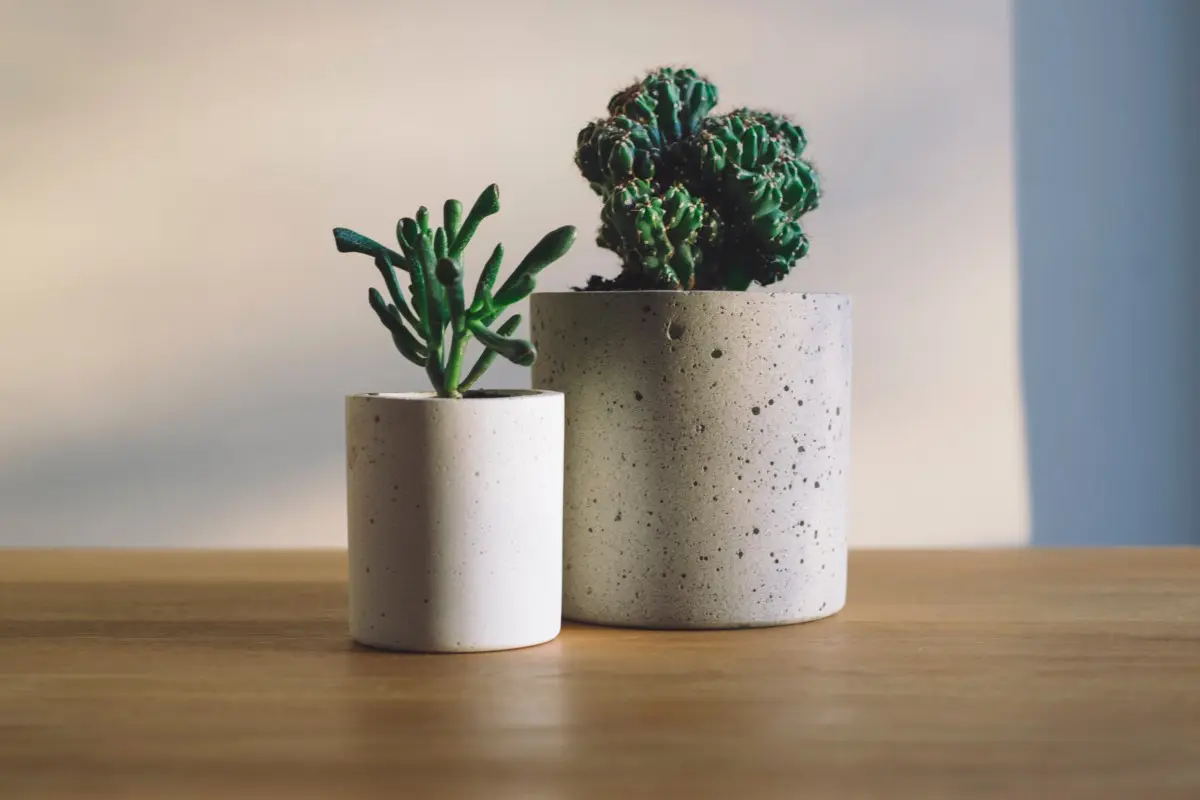
If you choose to keep potentially toxic plants, ensure they are placed in areas that are inaccessible to pets. Shelving, hanging plants, or high tables can be great options.
Supervise Interactions with Plants
When introducing any plants to your home, supervise your pets’ interactions with them, particularly during the first few days. This can help you determine whether they are interested in them or not.
Train Your Pets
Teaching your pets to avoid plants can be beneficial. Use positive reinforcement techniques to encourage them to stay away from specific areas.
Be Aware of Symptoms of Poisoning
If you suspect your pet has ingested a toxic plant, be aware of the symptoms. Signs can vary but may include vomiting, diarrhea, lethargy, and unusual behavior. Should you observe any of these symptoms, contact your veterinarian immediately.
Familiarize Yourself with Emergency Numbers
Keep contact information for your veterinarian and a nearby pet poison control hotline readily available. Quick access to these numbers can make a difference in urgent situations.