
Table of Contents
Finding peace at home has become precious as the world grows busier and louder each day. The constant hum of notifications, traffic, and obligations often follows you through your front door, disrupting what should be your personal sanctuary. Your living space can either amplify this chaos or provide a buffer against it, depending on how you arrange and maintain it. Many people assume creating a true haven requires major renovations or expensive purchases, but the reality proves much simpler.
Using just a few changes to your space, your home can become the calm harbor you crave, where stress melts away and restoration begins naturally. You’d be shocked how small tweaks to lighting, sound management, decor choices, and organization make remarkable differences in how you experience your surroundings.
Set the Mood With Lighting and Scent
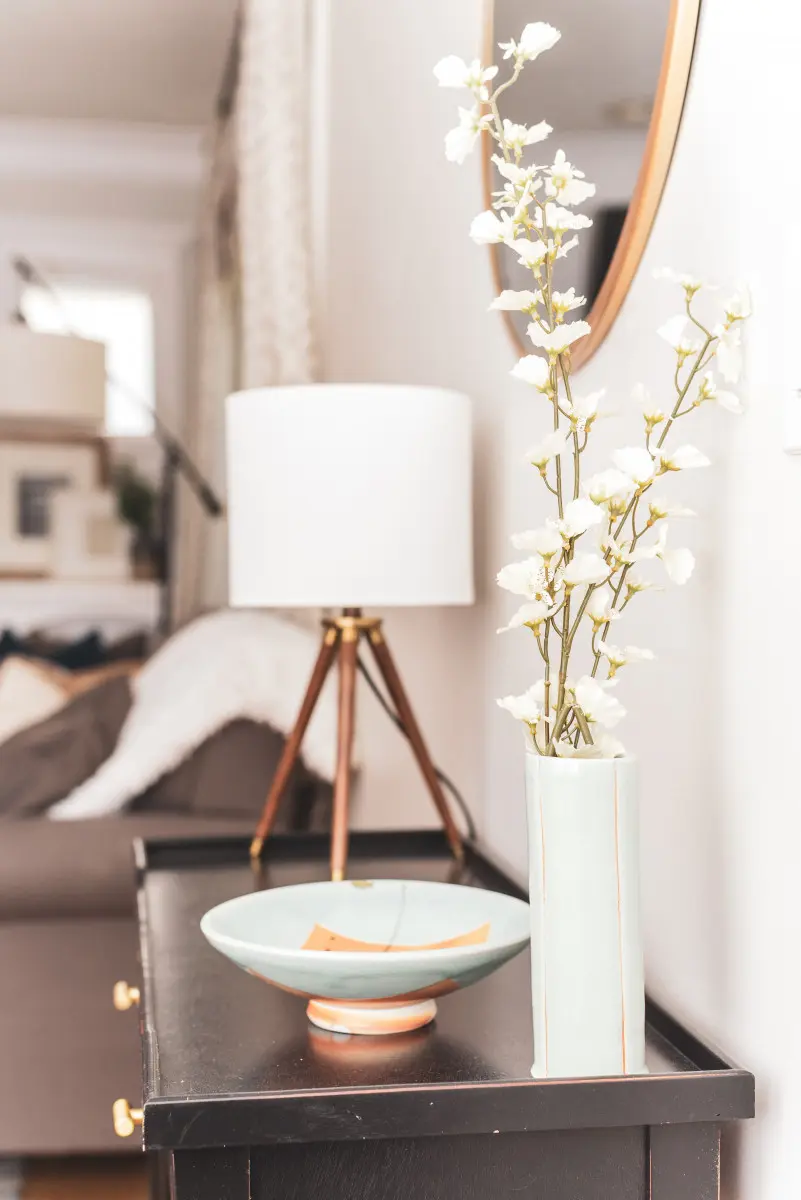
The right lighting can instantly change how you feel when entering a room. Harsh overhead lighting often creates tension, while soft, layered options help your body and mind relax. Start by adding floor or table lamps with warm-toned bulbs in corners where you spend the most time.
Consider installing dimmer switches for main lights to adjust brightness as the day progresses. In the evening, light a few candles to create a gentle, flickering glow that signals your brain to wind down.
Scent works powerfully on your emotional state, often bypassing conscious thought. Lavender promotes sleep and relaxation, while citrus scents can boost mood without overwhelming the senses. The concentrated plant essence from nebulizing essential oil diffusers offers therapeutic benefits like easier breathing or promoting calm. Unlike water-based diffusers, nebulizers distribute pure oil molecules that maintain their complete aromatic profile. Place them in gathering spaces like living rooms or bedrooms where you seek calm.
When selecting home fragrances, opt for natural options like beeswax candles, dried herb bundles, or simmering stovetop blends. These subtle, natural scents allow you to refresh your space without chemical additives that might trigger sensitivities or headaches.
Create Quiet Zones for Rest and Focus
Carving out dedicated quiet areas within your home provides essential mental breathing room. Choose a corner, nook, or even an entire room to designate as a device-free zone where digital distractions remain outside. Furnish your quiet space simply with comfortable seating, a good reading light, and perhaps a small side table for tea or journaling supplies. The goal centers on creating a space that invites presence rather than productivity.
Managing sound coming in and out can change your home in surprising ways. Here, it’s important to remember that hard surfaces bounce noise around, while soft materials absorb it. Strategic placement of textile elements like area rugs, heavy curtains, and upholstered furniture can seriously slash how much sound moves around, mellowing the overall atmosphere.
Bookshelves filled with books make especially excellent sound barriers between spaces! For shared homes, consider ways to reduce unwanted noise through weather stripping and proper insulation that blocks both outdoor disturbances and temperature fluctuations.
Position your quiet zone away from household traffic patterns when possible. If spatial separation seems limited, use room dividers, tall plants, or strategically arranged furniture to create psychological boundaries. Visual cues are especially key here to help household members adjust their volume and energy when approaching your designated calm area.
Embrace Minimalism and Natural Elements
Visual clutter creates mental clutter. When surfaces overflow with objects, your mind works overtime processing all you see. Begin with shared spaces like living rooms and kitchens, removing items that serve no functional or meaningful purpose. Keep surfaces mostly clear, allowing a few cherished pieces to stand out. You can maintain personality while creating space for intentional display of what truly matters.
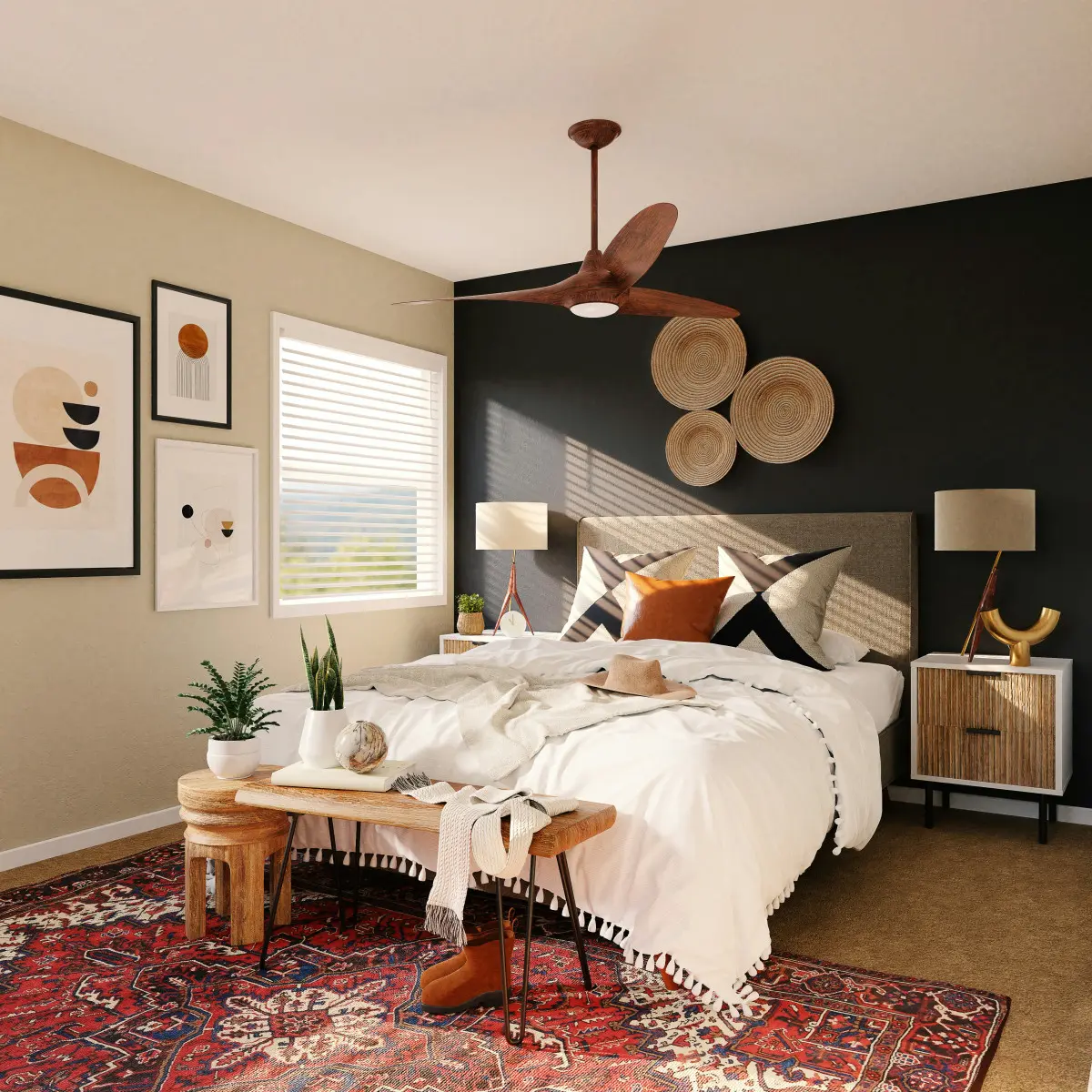
Nature calms you on a primal level. For instance, wooden furniture pieces with visible grain patterns connect you to the organic world, and stone, clay, and woven materials add textural variety that engages your senses without overwhelming them. Use these natural elements to ground spaces that might otherwise feel sterile or impersonal.
Houseplants serve dual purposes as both visual anchors and air purifiers. Fighting air pollution with plants brings the restorative power of nature inside your home. Different varieties offer unique benefits: Spider plants excel at removing toxins, while peace lilies add humidity to dry indoor air. Even small apartments can accommodate compact plants on windowsills or hanging planters that maximize vertical space.
Layer natural textures through textiles like linen throws, wool rugs, or cotton cushions. Materials made from natural fibers regulate temperature better than synthetics while providing tactile comfort. Choose patterns sparingly, favoring subtle texture variations over busy designs that can create visual noise.
Creating a peaceful home
Creating a peaceful home involves both physical adjustments and mindset shifts. As you implement modest changes like softening light, managing sound, reducing clutter, and adding natural elements, you will notice subtle yet meaningful differences in how you feel upon entering your space. Your breathing may slow, your shoulders might drop, and your thoughts could quiet. Start with the room where you spend most of your time or the one that causes the most stress, making small, consistent improvements until your entire home reflects the calm you seek.