
Table of Contents
This is a collaborative post.
From the hike in demand for sustainable living, the culture of reclaiming materials grew into a strong force driving eco-considerate living. Creative use of such technology used to put shipping containers to use as mini-greenhouses. Strong and so versatile, these container structures are cost-friendly and earth-friendly for anyone who wants crops all year round. For a starter or just beginning to learn how to garden, changing a shipping container into a greenhouse is an exciting project.
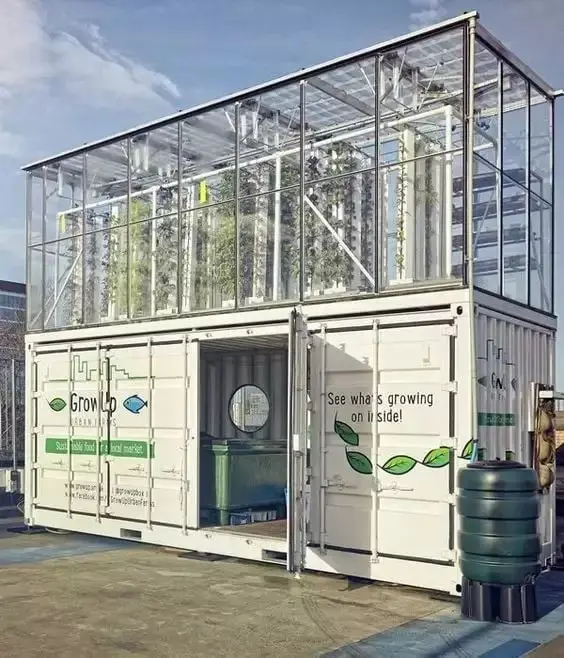
Why Repurpose Shipping Containers for Greenhouses?
Shipping containers provide a unique set of advantages, making them perfect for greenhouse projects. Originally designed to move goods across harsh oceanic conditions, these structures are built to last and thus promise to endure all kinds of environmental challenges when converted into greenhouses. Here’s why they stand out:
Key Benefits of Shipping Container Greenhouses
- Durability: Shipping containers are fabricated from high-strength corten steel and are thus resistant to rust and corrosion.
- Eco-Friendliness: Reusing containers helps decrease waste and supports the environment in friendly ways.
- Cost-Effective: Purchase of used shipping containers for sale is significantly cheaper as compared to actually building greenhouses.
- Adaptability: Containers can be very well tailored to fit almost all unique greenhouse designs, serving a wide array of purposes.
- Compact and modular: They can be used in small places but also combined for large setups.
Steps to Build a Shipping Container Greenhouse
1. Choosing the Right Shipping Container
Begin your work with selecting the best container. Look for units in good condition and without serious rust or other structural damage. Trustworthy vendors like shipping container supplier Midstate Containers offer quality to their customers. Common containers are 20-foot or 40-foot, whichever suits your space and requirement for gardening.
2. Designing Your Greenhouse
You need a detailed plan to get the maximum use out of your space. Some of the important factors to consider include:
- Light Penetration: Consider a strategic placement of windows or transparent panels to enable sunlight entry.
- Ventilation: It is very important to have proper airflow in order to keep the growing environment ideal.
- Space Optimisation: Design shelving and planting area for growing capacity optimisation.
3. Modify the Container
Structural modification is crucial for the transformation of a shipping container into a greenhouse. Major modifications involve the following:
- Window Cutting and Installation: Replace the sections in the steel walls with heavy-duty polycarbonate or glass panels.
- ventilation Systems: Ensure proper ventilation by installing additional vents or fans to provide equal distribution of air.
- Insulation and Temperature Control: The use of insulators, heaters, or coolers in providing optimal growing conditions.
- Waterproofing: Seal the edges of the container such that when wet weather conditions arise, the water will not seep into the container.
4. Adding Greenhouse Features
Install the following basic elements in the greenhouse to ensure that it works:
- Irrigation Systems: Drip irrigation systems can effectively permit water conservation while simultaneously providing a consistent quantity of water to plants.
- Climate Control Systems: this involves the use of thermostat and humidifiers which, regulate temperature and humidity in accordance.
- Lighting: Installation of energy-efficient LED grow lights to supplement the lighting of plants in low-light periods.
Best Practices for Interior Layout
1. Vertical Gardening
Make full use of the interior of your greenhouse with vertical gardening. Add in shelves, racks, and wall-mounted planters that will make use of every available nook.
2. Grouping Plants Efficiently
Organize plants based on their light and water needs. This simplifies maintenance and improves growth efficiency.
3. Integrated Systems
Irrigation, ventilation, and lighting can be combined into one system for ease of operation. Automation will greatly reduce the workload and enhance the results.
Applications of Shipping Container Greenhouses
Urban Gardening
Greenhouse shipping container units fit into the urban environment where space is limited. They could be placed on rooftops, in backyards, or empty lots to supply fresh produce in an efficient manner, thereby enhancing the sustainability of the urban area.
Commercial Farming
The more creative are turning shipping containers into modular and scalable greenhouses for such high-value crops as herbs, lettuce, and strawberries.
Community Projects
Container greenhouses have, time after time, assisted organizations and community groups supporting community gardening to promote food security and enable environmental education.
Maintenance Tips for Long-Lasting Performance
1. Regular Inspection
Regularly check for rust, leaks, or other damages to ensure timely repairs that could extend the life of your greenhouse.
2. Clean Thoroughly
Keep windows, vents, and irrigation systems clean to encourage the best light penetration along with air circulation.
3. Monitor Climate
Install monitoring devices to track temperature and humidity levels. Adjust heating, cooling, or ventilation systems as needed to maintain an ideal growing environment.
The Environmental Benefits of Repurposed Greenhouses
Selling a used shipping container as a greenhouse contributes to recycle waste and conserves living. Furthermore, growing your own plants in these structures minimizes store-bought produce, reducing packaging waste and transportation emissions.
Start Your Greenhouse Project Today
Converting a shipping container into a greenhouse is a really innovative way to combine sustainability, functionality, and creativity. With the partnership of a trusted shipping container supplier Midstate Containers https://midstatecontainers.com/, you can start creating this special space that will support your gardening goals and benefit the environment.
1 comment
Thank you for sharing such an innovative and eco-friendly idea! Transforming shipping containers into greenhouses is a great way to repurpose materials and promote sustainability. As a service provider specializing in garage door repairs, we appreciate creative solutions that make the best use of available resources. It’s inspiring to see how innovation can transform spaces for a greener future.