
Table of Contents
Imagine you owned three garden sheds in your lifetime. The first is a complete disaster that needed replacing after just 18 months. The second is adequate but never quite right for my needs. The third – well, you finally got it right. After making every mistake in the book, you’ve learned what truly matters when selecting a garden shed. If you’re in the market for a new shed, Garden Buildings Direct offers a wide range of options. But before you click “buy,” let me share the costly mistakes that can be made so you don’t have to repeat them.
Underestimating Size Requirements
Shed can be too small – a classic beginner error. Maybe it fits the current belongings but fails to account for future purchases or seasonal items.
Within six months, I you can be playing storage Tetris every time you need my lawnmower. The frustration of constantly reshuffling items will eventually lead you to avoid using the shed altogether, defeating its purpose entirely.
A good rule of thumb: calculate the space you think you need, then add 25-30%. You’ll rarely regret having extra space, but you’ll constantly regret not having enough.
Choosing Price Over Quality
Say you found a bargain model that seemed “good enough” and congratulated yourself on the savings. Two years later, those savings evaporate into repair costs. The thin walls warped, the roof developed leaks during heavy rain, and the door hinges rusted beyond repair.
Quality garden sheds might cost more initially, but they deliver tremendous value over time. The difference between budget and mid-range options is often just a few hundred pounds, but can mean 5-10 extra years of service.
Ignoring the Foundation
This mistake can cost dearly. For example you place the shed directly on grass, assuming the flat surface was sufficient. Within months, it can begin to sink unevenly, causing the door to jam and eventually warping the entire structure.
A proper foundation – whether concrete, paving slabs, or a purpose-built shed base – is absolutely essential. It prevents moisture damage from below and ensures structural stability for years to come.
Overlooking Security Features
Garden tools and equipment are surprisingly valuable targets for thieves. Basic security features like reinforced doors, hidden or protected hinges, and proper locking systems aren’t just optional extras – they’re essentials. Many insurance policies won’t cover shed contents if security is deemed inadequate.
Neglecting Ventilation
This subtle mistake isn’t obvious until it’s too late. When the shed has poor ventilation, it can result in condensation problems that can damage both the structure and stored items.
Proper airflow prevents mold, mildew, and rot while extending your shed’s lifespan. Look for models with vents near the roof peak or consider adding aftermarket vents if necessary.
Choosing the Wrong Door Configuration
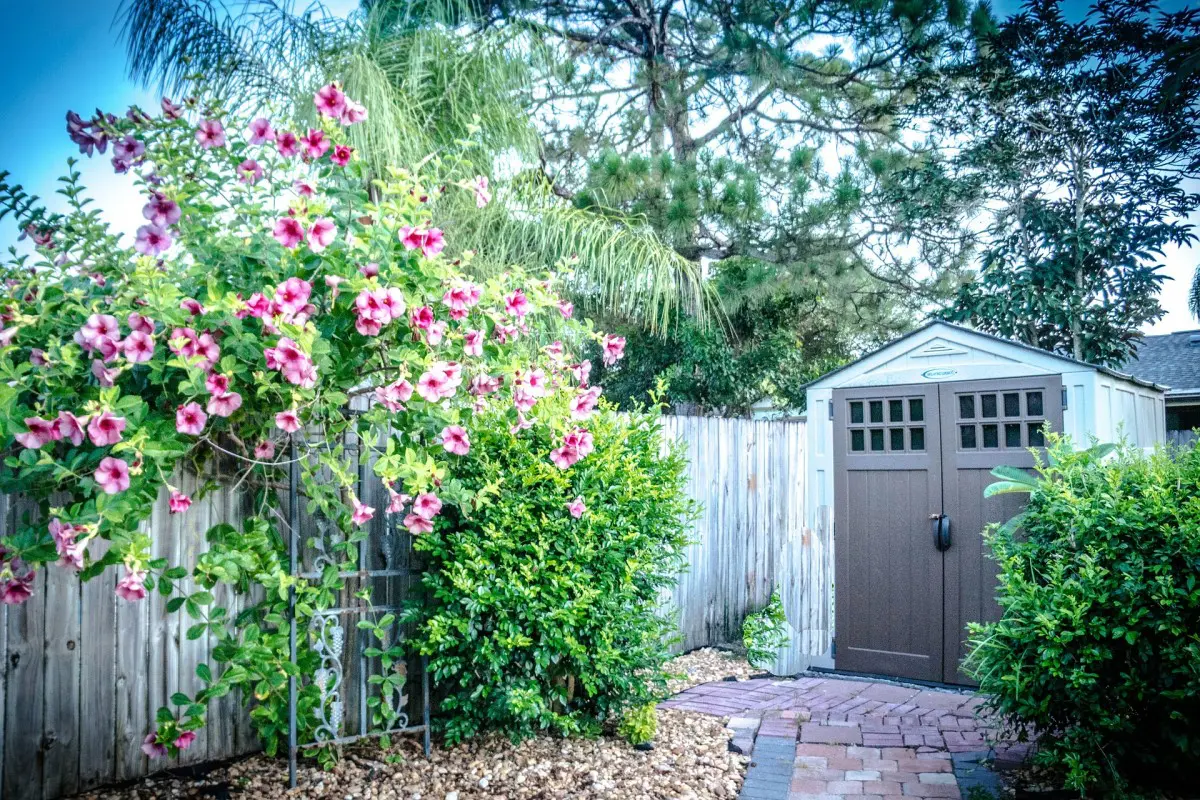
Door placement and size might seem trivial until you try maneuvering a lawnmower through a narrow opening or realize your doors swing into the only available workspace.
For larger equipment, double doors are invaluable. For sheds used as workspaces, doors that don’t intrude on interior space make a significant difference in usability.
By avoiding these common mistakes, you’ll save money, reduce frustration, and end up with a garden shed that truly meets your needs for years to come. Trust me – getting it right the first time is worth the extra planning.