
Table of Contents
This is a collaborative post.
Maintaining your garden equipment is essential for ensuring its longevity and optimal performance. Whether working with hand tools, power tools, or larger machinery, a little care can go a long way in keeping everything in top shape. This article will explore effective maintenance routines for various types of garden equipment, highlight common issues and their prevention, and emphasize the importance of regular inspections and timely repairs.
Getting to Know Your Equipment
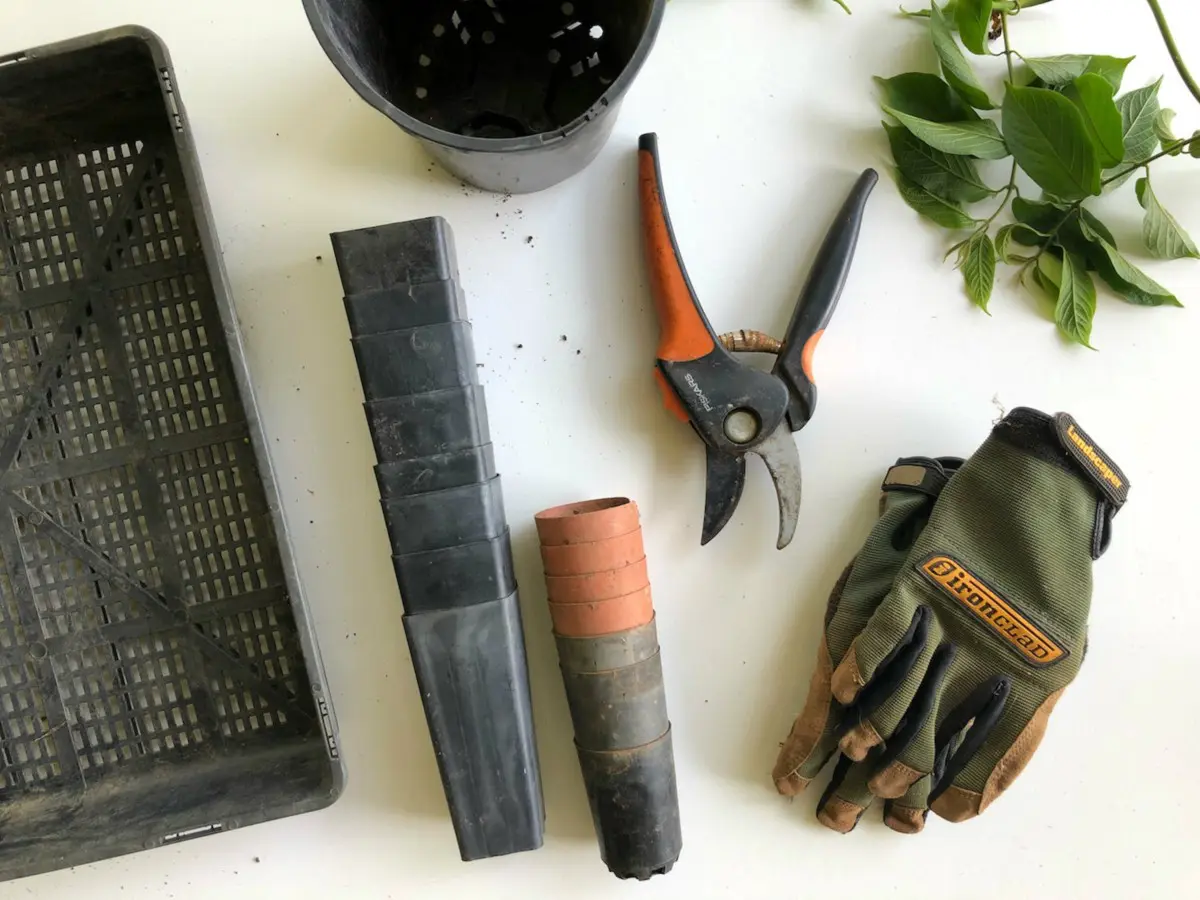
Each piece of garden equipment has unique maintenance needs. Hand tools like shovels, rakes, and pruners require different care than power tools such as lawnmowers or chainsaws. Understanding the specific requirements of each tool is the first step toward effective maintenance.
For instance, hand tools should be cleaned after each use to prevent rust and dirt buildup. A simple rinse followed by drying can keep them in good condition. On the other hand, power tools require more complex maintenance routines, including checking oil levels, sharpening blades, and inspecting electrical components.
Regularly consulting your equipment’s user manual can provide valuable insights into proper maintenance practices tailored to your tools.
Routine Maintenance Practices
A routine maintenance schedule is crucial for keeping your garden equipment in working order. For example, lawnmowers should be serviced at least once a year. This covers tasks such as changing the oil, replacing the air filter, and sharpening the blades. Neglecting these tasks can lead to decreased performance and increased wear over time.
Chainsaws also require regular attention. After each use, cleaning the chain and bar to remove sap and debris that can cause rust or damage is essential. Additionally, checking the chain’s tension before each use ensures safety and efficiency. If you need replacement parts, consider exploring options like Husqvarna aftermarket parts, which offer quality alternatives at competitive prices.
Inspect garden hoses and sprinklers regularly for leaks or blockages. Properly storing hoses—coiled rather than tangled—can prevent kinks that lead to cracks over time. Sprinklers should be cleaned periodically to ensure even water distribution across your garden.
In addition to these practices, consider seasonal maintenance tasks. For instance, before winter sets in, it’s wise to winterize your equipment by draining fuel from gas-powered tools and storing them in a dry place. This helps prevent damage from freezing temperatures.
Preventing Common Issues
Specific problems are common across various types of garden equipment, but many can be easily prevented with diligent care. For instance, one of the most frequent issues with lawnmowers is a clogged deck due to grass buildup. To avoid this, regularly cleaning the underside of the mower after use is essential.
Another common issue is dull blades on cutting tools. Dull knives not only make work harder but also can damage plants. Regularly sharpening blades will enhance cutting efficiency and promote healthier plant growth.
Additionally, battery-operated tools should have their batteries charged according to manufacturer guidelines. Overcharging or leaving batteries discharged for extended periods can significantly reduce their lifespan.
Using fresh fuel is critical for gas-powered tools. Old fuel can lead to starting issues and poor performance. If your equipment isn’t running as smoothly as it used to, consider whether stale fuel might be the culprit.
The Importance of Regular Inspections
Incorporating regular inspections into your maintenance routine is vital for identifying potential problems before they escalate into costly repairs or replacements. Take time at least once a month to check all your equipment thoroughly.
Look for signs of wear and tear, such as frayed cords on electric tools or cracks in plastic components. Pay attention to any unusual sounds or vibrations when operating machinery; these can indicate underlying issues that need addressing.
During inspections, it’s also wise to clean any dust or debris from motors and vents to ensure proper airflow and cooling during operation. This easy step can significantly extend the lifespan of your equipment.
Furthermore, safety features such as guards and emergency shut-off switches should be considered when inspecting power tools. Ensuring these mechanisms function correctly protects your investment and enhances safety while you work.
Timely Repairs
When you notice an issue with your garden equipment during an inspection or routine use, it is crucial to address it promptly. Ignoring minor problems can lead to more significant malfunctions that require expensive repairs or complete replacement.
For instance, if a lawnmower isn’t starting correctly, it could be something as simple as a dirty spark plug or an empty fuel tank. Troubleshooting these minor issues can prevent more extensive problems.
If repairs are beyond your skill level, don’t hesitate to seek professional help. Many local hardware stores offer repair services or can recommend qualified technicians who specialize in garden equipment maintenance.
Furthermore, monitoring recalls on specific models can help you stay informed about potential safety issues requiring immediate attention or repair.