
Table of Contents
This is a collaborative post.
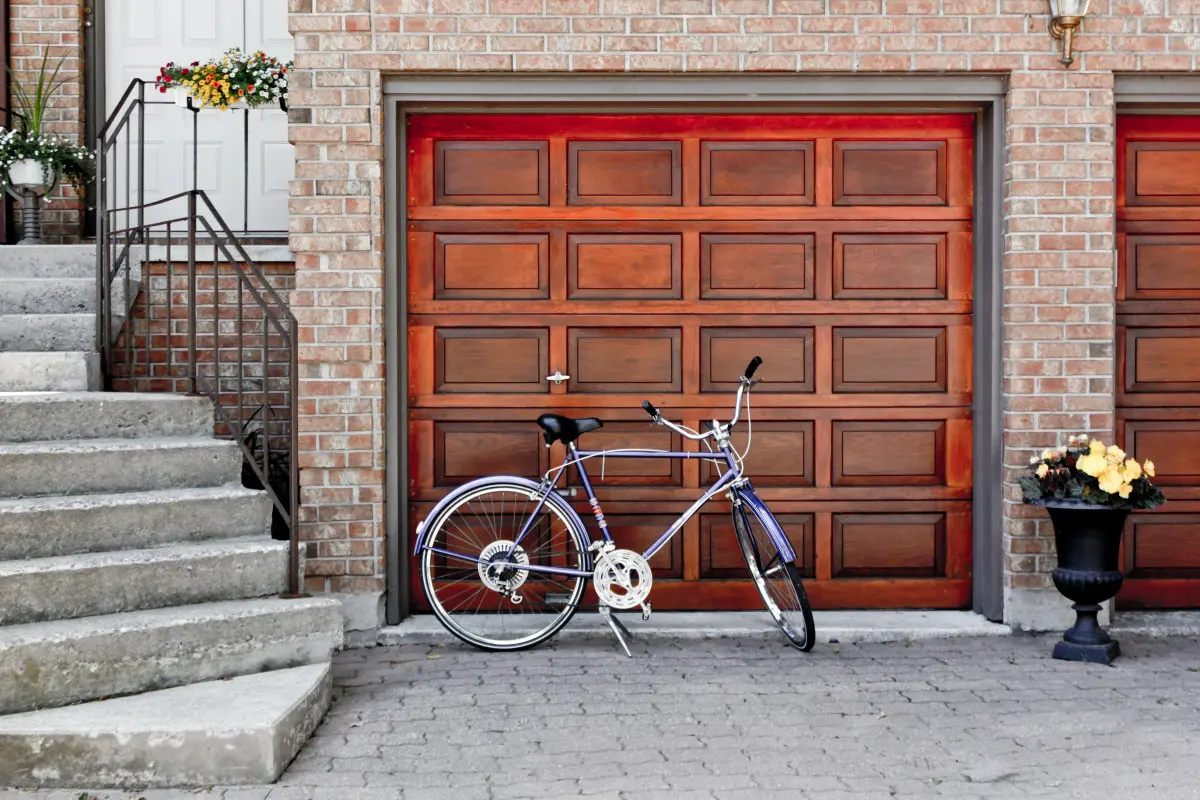
Taking the whole family to school on bikes may sound like a big change, but this healthy choice is easier to accomplish than you might assume. It has wide-ranging benefits that are mental, physical and financial. Here are a few advantages to pulling the step through bike out of the garage instead of the car and cycling with your kids to school in the morning.
Morning Exercise for Better Focus
Studies have shown that exercising early in the morning improves focus and mental performance for the rest of the day. That’s not only important for your busy schedule but also for your kids’ learning aptitude. If you choose to bike in the morning, your kids are guaranteed not to nod off in their early lessons. That increased energy and focus will likely translate into better performance at school.
Lowering Your Whole Family’s Carbon Footprint
Environmental pressures are starting to be felt all over the world. Switching away from fossil fuels is important in years to come in order to halt and reverse damage to the planet’s climate. It also saves money at the gas pump.
By biking to school in the morning, you’re cutting down on the amount of carbon released into the atmosphere. You can take your electric bicycle battery 48v on errands after dropping off the kids to reduce air pollution, carbon emissions and gas costs even further.
Getting Healthier Sleep
It can be difficult to adjust from a summer schedule to the early wake-up times of most American schools. Biking to school helps the whole family sleep better at night by adding exercise to the daily routine. Exercise not only helps you get to sleep faster, it improves the quality of your sleep as well.
Saving Time in Your Day
It can be almost impossible to fit the CDC’s recommended 150 minutes of exercise into a packed weekly schedule. Biking to school adds physical activity without taking extra time out of your day. Some other ways you can fit exercise into a busy day include:
- Going for a sunset bike ride instead of relaxing in front of the TV
- Taking your bike on short errands
- Biking to a relative’s house instead of driving
Making Exercise Fun and Useful
Many people try to start an exercise routine or encourage their kids to exercise, only to abandon the effort after a few weeks. The secret to maintaining a healthy relationship with exercise is weaving it into your lifestyle.
Working out for working out’s sake simply doesn’t work for everyone. Many parents try to get their children into team sports, instead, but a lack of interest or coordination can thwart these efforts. More practical exercises like walking a dog or biking to school are accessible. They’re easy to think of as part of your life, rather than an exercise regimen, which means they’re more likely to stick.
Picking up a city bike for sale can improve your family’s routine this back-to-school season. Start with one or two days a week, and you’ll quickly see the benefits of a morning family bike ride to school.
Safety Tips for Biking with Kids to School
Biking to school can be a fun and healthy way for children to start their day. It encourages independence, promotes physical fitness, and can help reduce traffic congestion. However, safety is paramount when it comes to biking with your kids. Here are some essential tips to keep in mind to ensure a safe and enjoyable ride to school.
Choose the Right Bicycle and Gear
First and foremost, make sure your child’s bicycle is appropriate for their age and size. A properly fitted bike ensures comfort and better control. Additionally, it’s crucial to equip your child with a well-fitting helmet; this is non-negotiable. Look for helmets that meet safety standards and ensure they’re worn correctly.
Consider other protective gear as well, such as knee and elbow pads, especially for younger or less experienced riders. Bright clothing or a reflective vest can make your child more visible to drivers, especially in low-light conditions.
Plan Your Route
Before embarking on your biking journey, take some time to plan the route. Choose streets that have bike lanes or quieter, less trafficked roads. Familiarize yourself with the route and discuss it with your child. Point out landmarks or notable spots, which can help them remember the way and feel more comfortable navigating.
Whenever possible, opt for routes that include sidewalks or bike paths. If you must cross major roads, find designated crosswalks and practice how to safely navigate these areas.
Teach Basic Biking Skills
It’s vital for your child to have a basic understanding of biking rules and skills. Teach them how to start, stop, and signal turns with their hands. Spend some time practicing these skills in a safe area before hitting the road. Explain the importance of keeping a safe distance from vehicles and how to properly deal with other cyclists and pedestrians.
Be sure to cover essential traffic rules, such as stopping at stop signs and red lights, yielding to pedestrians, and knowing the hand signals for turning and stopping.
Set a Good Example
Children learn by watching the adults in their lives, so be a role model when it comes to biking safely. Wear your helmet, follow traffic laws, and demonstrate proper signaling. If your kids see you practicing safe biking habits, they are more likely to adopt those same practices.
Communicate Effectively
Before and during each bike ride, maintain open lines of communication. Talk to your child about what to expect, and encourage them to voice any concerns or questions they might have. Creating a proactive dialogue can help alleviate fears and ensure your child feels confident on their ride to school.
In addition to verbal communication, consider using a system of hand signals between you and your child. This can be particularly helpful if you’re biking in a group or if your child is riding ahead of you.
Stay Engaged
Finally, remain engaged during the ride. Keep an eye on your child and the surrounding traffic, and be prepared to intervene if necessary. Encourage your child to look around and be aware of their surroundings; this practice will help them become more skilled and attentive cyclists.
Regular Maintenance and Checks
Regularly check your bikes to ensure they’re in good working condition. Look for flat tires, brake functionality, and other essential components that need upkeep. A well-maintained bike significantly reduces the chances of accidents.