
Table of Contents
This is a collaborative post.
Travelling mindfully requires rethinking how you reach your destination and what you carry. Building a conscious travel kit can feel overwhelming amid endless greenwashing and conflicting advice. Many products claim to be eco-friendly, but not all deliver real impact. This guide focuses on practical, realistic steps to help you choose ethical products and organise your gear efficiently, so your trips stay light, flexible, and environmentally responsible without overcomplicating your decisions.

Why Does Sustainable Travel Gear Really Matter?
Millions of cheap, single-use items end up in landfills after short trips. The tourism industry contributes significantly to global emissions, which makes even small packing decisions meaningful. Choosing durable, reusable items reduces waste and supports independent makers who prioritise long-term impact over fast production cycles.
Investing in quality gear also supports fair labour practices. A well-made backpack or reusable bottle can last for years, reducing the need for constant replacements. Over time, this approach saves money, minimises clutter, and ensures your purchases align with responsible production standards.
Another important factor is durability during travel itself. Cheap gear often fails at the worst possible moment, forcing last-minute replacements that are neither sustainable nor cost-effective. Reliable items reduce this risk and make your overall travel experience smoother.
What Should Be in Your Reusable Travel Kit?
A strong foundation starts with everyday essentials. A stainless steel bottle keeps drinks cool and eliminates the need for disposable plastic. Pair it with a collapsible coffee cup that takes up almost no space when empty. Adding a compact bento box helps you avoid single-use packaging when buying snacks on the go.
Solid toiletries are another simple but impactful upgrade. Shampoo and conditioner bars remove the need for plastic bottles and are easy to carry. One bar can last dozens of washes, making it both practical and cost-effective. Store them in a reusable silicone case, and add basics like a bamboo toothbrush or reusable razor to keep your kit compact and efficient.
It’s also worth thinking about how you organise these items. Using small pouches or packing cubes helps separate essentials and prevents leaks or damage inside your bag. This makes airport checks faster and daily use much more convenient.
How to Pack Less and Travel Better
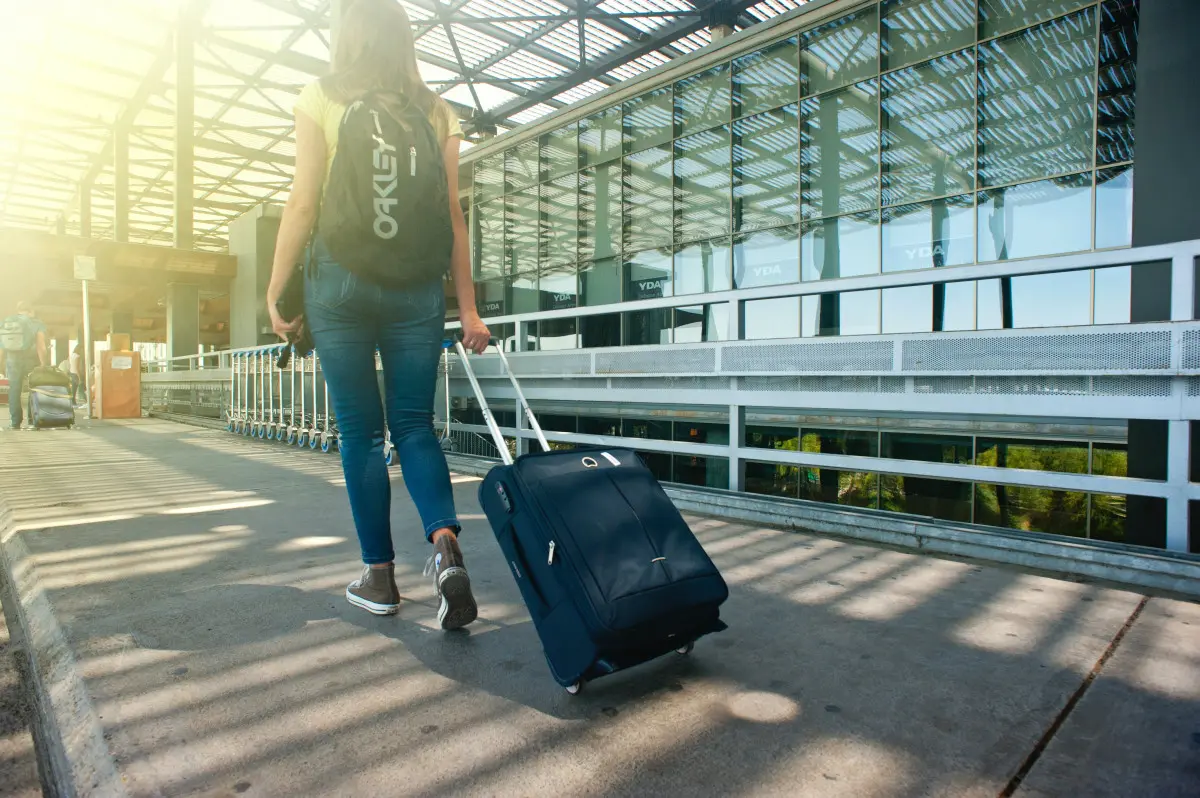
Packing less is one of the most effective ways to travel sustainably. A capsule wardrobe built around versatile pieces allows you to mix outfits easily without overpacking. Neutral colours and lightweight fabrics help you adapt to different situations without carrying extra items.
Managing luggage during the day is just as important. Exploring a city between check-in and departure becomes much easier if you’re not dragging bags around. Using luggage storage services can help you stay mobile and enjoy your time more fully. You can use this official link to find convenient short-term storage locations and move freely without extra weight.
Travelling light not only reduces stress but also makes spontaneous decisions easier, whether that’s visiting a museum, stopping at a café, or changing plans entirely. It also improves your experience with public transport, where space is often limited.
Another overlooked benefit is energy management. Carrying less means you stay less tired throughout the day, which directly affects how much you can explore and enjoy.
Choosing Luggage That Actually Lasts
When selecting luggage, durability matters more than trends. Materials like recycled polyester or heavy-duty organic cotton last longer and perform better over time. Avoid low-quality suitcases that break quickly and contribute to unnecessary waste.
Another effective approach is buying second-hand. Pre-owned backpacks and suitcases are often in excellent condition and significantly cheaper. This keeps products in circulation and reduces demand for new manufacturing. If you travel occasionally, borrowing gear from friends is also a practical and sustainable alternative.
You can also look for modular designs – bags with interchangeable compartments or repairable parts. These extend product life and reduce the need for full replacements.
Simple Zero-Waste Swaps That Make a Difference
Refill systems are becoming more common in many cities. Carrying small reusable containers allows you to refill products instead of buying travel-sized plastic versions. Researching local zero-waste stores before your trip can help you restock essentials without generating extra waste.
Small daily swaps also make a difference. Using beeswax wraps instead of plastic, carrying reusable cutlery, and packing cloth napkins all reduce reliance on disposable items. These adjustments are simple but significantly lower your environmental impact over time.
Planning ahead makes these habits easier to maintain. Preparing a small “daily kit” with these items ensures you always have them available when needed.
Travel Smarter
Exploring local businesses is one of the most rewarding parts of sustainable travel. Choosing independent cafés, workshops, and small shops over large chains supports local economies and offers a more authentic experience.
When buying products abroad, look for certifications such as Fairtrade or organic textile standards. While no system is perfect, these labels provide a useful starting point for identifying brands that meet recognised ethical criteria.
Efficient planning also plays a major role. Organising your routes in advance helps reduce unnecessary movement and saves both time and energy. Prioritising public transport or cycling over private transfers can significantly lower your environmental footprint.
Adopting a minimalist mindset gives you greater flexibility and makes navigating new environments much easier. You move faster, make decisions more freely, and stay focused on the experience rather than your belongings.
In the end, sustainable travel is not about perfection. It’s about making better choices where possible and building habits that improve every journey over time.