
Table of Contents
This is a collaborative post.
Chilli sauce has a bit of a reputation. It conjures images of watery eyes, sweating brows, and daredevil YouTubers knocking back ghost peppers like they’re Tic-Tacs. But for the average person who breaks a sweat at the thought of jalapeños, the question becomes—should you even bother? Is there a place in the world of hot sauce for people who don’t think food needs to fight back?
As it turns out, there might be. Because chilli sauce isn’t just about heat. It’s also about flavor, balance, and the curious pleasure of playing with your palate—without necessarily incinerating it.
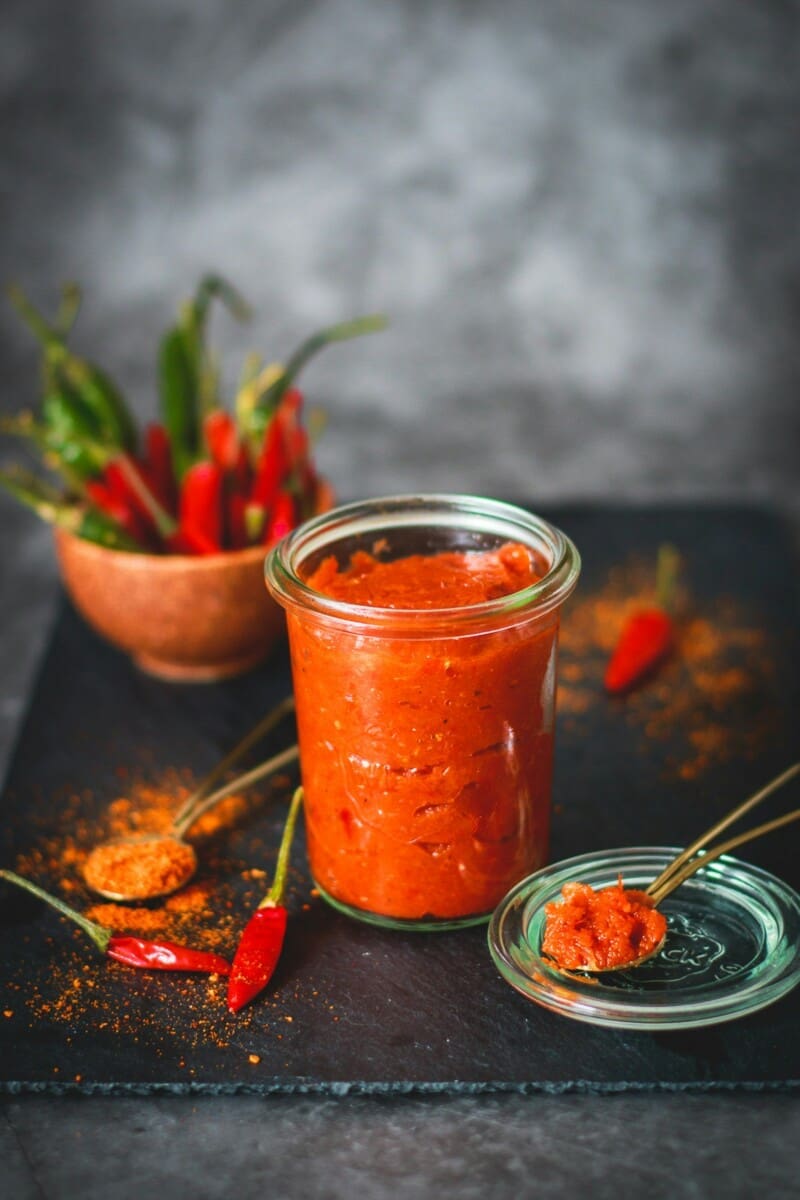
Why chilli sauce isn’t just for spice lovers
The myth of chilli sauce is that it’s all about punishment. It’s not. At least, not always.
While some sauces go heavy on the Scoville scale for bragging rights, others take a more measured approach. These are the ones worth your attention if you’re new to heat. A well-crafted chilli sauce can add complexity to a dish, not just intensity. Sweetness, tang, smoke, even a touch of bitterness—it’s not all fire and brimstone. In fact, some of the best sauces offer just enough heat to make your taste buds perk up without sending you running for milk.
It’s like seasoning: just enough salt brings out the flavor, too much ruins everything. Heat works the same way.
How to start without overwhelming yourself
If your previous encounters with spice have left you traumatised (or just mildly uncomfortable), the idea of voluntarily trying a chilli sauce might seem… misguided. But there are ways to ease into it.
One approach is to start with dishes where the heat is diluted—think scrambled eggs, grilled cheese, even pizza. These foods offer a kind of soft landing. A small dab of sauce becomes part of a wider flavor experience, rather than the main event.
Equally important is picking a sauce that won’t scorch your mouth. For those dipping their toe into the world of heat, try it today with a mild or medium chilli sauce that’s been crafted with balance in mind. Look for labels that highlight flavor profiles like “smoky chipotle,” “sweet mango,” or “tangy jalapeño.” These typically aim to complement food rather than obliterate it.
Also, don’t be ashamed of reading reviews—or even sniffing the bottle before committing. The nose knows.
Understanding what makes a sauce “hot”
Heat in chilli sauce comes primarily from capsaicin, the compound found in chilli peppers. The more capsaicin, the hotter the sauce. But that’s only part of the story.
Texture, acidity, sweetness, and how the sauce is cooked all influence your experience. A vinegar-forward sauce will hit differently than a fermented one. A thick, tomato-based blend can feel milder on the tongue than a thin, oil-based version—even if they technically contain the same amount of heat.
This is why one “hot” sauce might feel like a gentle tap, while another knocks you sideways. It’s not just about the pepper—it’s the whole equation.
And here’s a sneaky little fact: some sauces build heat slowly, while others punch you in the face immediately. That’s why it’s smart to start small. A toothpick’s worth is sometimes all you need to get the full effect.
When to avoid it (and when to double down)
Of course, not everyone reacts the same way to capsaicin. Some people break into hives. Others feel a kind of euphoria. A few unfortunate peeps get hiccups after one bite.
If you’ve had serious negative reactions to spicy foods in the past—burning lips that last hours, uncontrollable sweating, or digestive revenge—then chilli sauce might not be your best friend. Or at least, not yet.
But if your hesitation is more psychological (“What if it ruins my food?” or “What if I look ridiculous?”), there’s no real harm in experimenting. Use a controlled environment—your kitchen, preferably—and pair it with food you already love. A tiny spoonful on the side of your plate, not mixed in, lets you test the waters.
And if it clicks? If you get that zing without the sting? Well then, it’s game on.
Heat can be a gateway—not a wall
Trying chilli sauce for the first time isn’t a commitment to a life of fire and fury. It’s just a way to explore what your palate enjoys. Like olives or dark chocolate, spice can be an acquired taste. It might not thrill you immediately, but over time, you may find yourself seeking out that slow, satisfying burn.
Interestingly, there’s evidence that people can build up a tolerance—or at least, a taste—for capsaicin. It’s not just bravado. The receptors in your mouth adapt slightly with repeated exposure. What was once unbearable might eventually feel like a pleasant hum.
So no, you don’t have to start with ghost pepper extract and a pint of milk. You can start small, pay attention, and—most importantly—enjoy the ride.
Final thoughts: yes, but on your terms
The answer to whether you should try chilli sauce if you’re new to heat is a careful, qualified yes. But only if you want to, and only if you do it right.
Start with flavor-forward options, not gimmicky ones. Use sparingly. Pay attention to how your body responds. Don’t let peer pressure (or social media bravado) turn a culinary curiosity into a regret-filled experience.
Because at its best, chilli sauce isn’t about proving anything. It’s about unlocking something—about exploring a new dimension of flavor that you might just end up loving.