
Table of Contents
This is a collaborative post.
When you become a parent, you may want to set a good example for your children. One of the ways of achieving this can be through leading a healthy life. Making changes now could help you to improve your health, as well as benefit the whole family. As parents, we often recognize the immense influence we have over our children. From the way we communicate to the values we instill, our actions and lifestyle choices serve as powerful examples for our little ones.

Create an exercise routine
It could be hard to teach your children about the importance of exercise if it is not something that you do yourself. Getting into fitness as an adult can seem a lot more difficult than when you were a child. To teach yourself about proper movements, as well as the best exercises for any goals you might have, you might want to speak to highly qualified personal trainers in London. They should be able to answer any of your queries, as well as highlight the benefits of each exercise you do alongside them. You may be able to work personal training sessions around your parenting and other work, to give you some time to work on yourself away from other responsibilities or distractions.
You should also complement working out with regular health checkups. So, if you don’t have doctors yet, you should start looking for an emergency dentist near you, and a physician too.
Here are a few tips on how to:
Family activities
Plan regular family outings and day outs that involve physical activity, such as hiking, biking, swimming or playing sports.
Be active together
Find some time (we all know, finding extra time is hard…. but still!) for exercise within your daily routine. Think about a quick a morning jog, evening walk, or dance/yoga session in the living room, invite your children to join you. Let them see that staying active is a natural part of life.
Explore new hobbies
Introduce your children to various activities that promote physical fitness. Classes such as martial arts, swimming, or dance. And participate alongside them whenever possible. Or practice at home together. They will be happy to share what they have learnt.
Keep your home clean
You may feel like a clean home is more for the benefit of the property itself, but it can have a number of consequences on your health. Taking the kitchen as an example, when this room is dirty you may be more inclined to eat unhealthily than to put the effort into rectifying it. Even if you do attempt to make your own meals, you could be setting yourself up for illness or food poisoning from the various bacteria found. In addition to this, it can also be poor behaviour to model for your children. Cleaning up your home can allow you to stop hoarding old items and waste, and feel more relaxed within the space. This may be something your children can help out with.
Nutrition: a family affair
One of the foundational pillars of leading a healthy life is maintaining a balanced diet. Parents can easily influence their children’s eating habits by creating an environment that promotes nutritious choices. Here are some strategies you might consider:
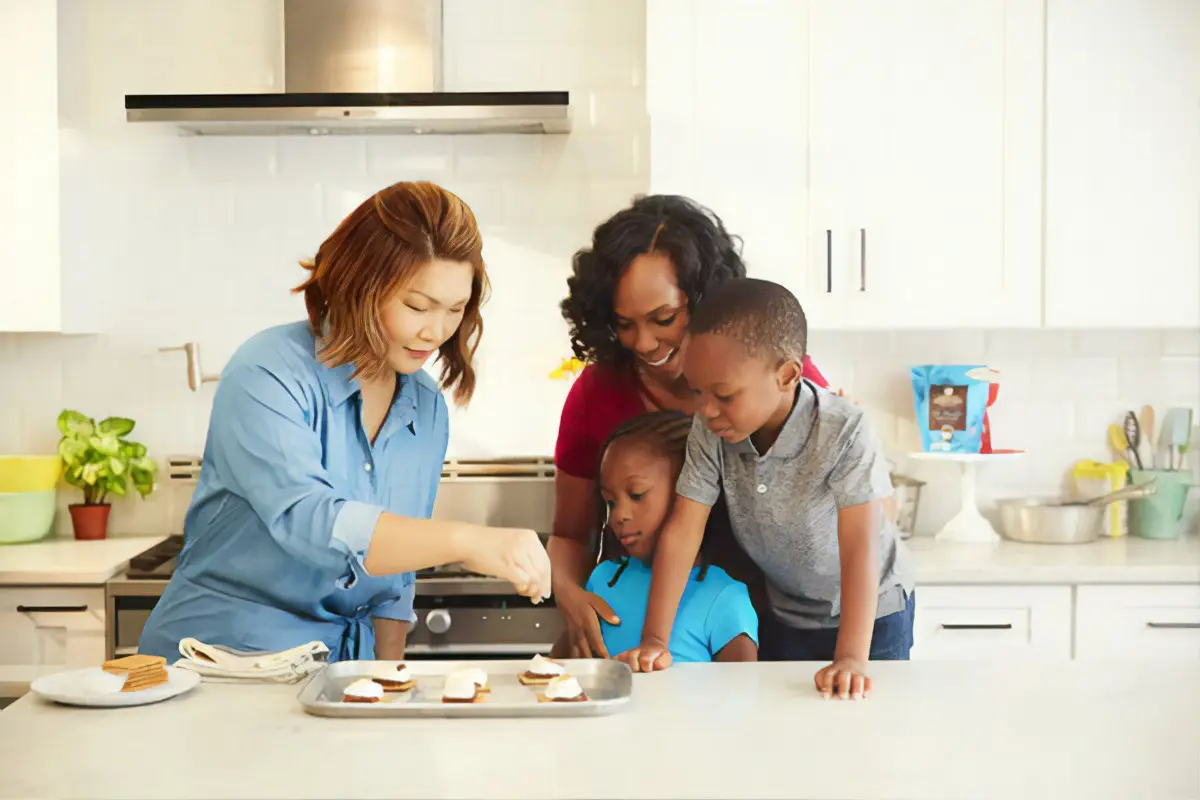
Cook together
Involve your children meal preparing. It’s just that simple! Cooking as a family not only good fun and time spent together, but secretly also teaches kids about nutrition. Focus on preparing meals that include a variety of fruits, vegetables, whole grains, and lean proteins.
Supermarket shopping
Turn shopping for food into a learning experience. Use this opportunity to educate your kids about reading food labels, understanding portion sizes, and making healthier food choices. Encourage them to choose fresh produce or healthy snacks.
Be a role model
Show your children that you value nutritious food. If they see you enjoying a rainbow of fruits and vegetables, rather than opting for processed snacks, they are more likely to mirror your choices.
Limit junk food
While it’s okay to indulge occasionally, make a conscious effort to limit junk food in your household. Stock your pantry and fridge with healthy options to encourage better snacking habits. If there’s nothing else, well they just have to eat the healthy stuff! (Given there aren’t any intolarances or limited diets or neurodivergent food aversion.)
Set regular meal times
Keep family mealtime consistent (as much as possible) , as this encourages healthier eating patterns and strengthens family bonds.
Screen time balance
Monitor your children’s screen time and talk about why it’s important to take breaks and have a healthy relationship with our gadgets. Instead of passive consumption (like watching TV or playing video games), dedicate 1-2 evenings and parts of the weekends to activities that stimulate creativity and engagement, such as reading, crafting, or outdoor play.

Destress
Too much stress can have serious consequences. Not only can it affect your mental wellbeing, but it could also contribute to health conditions such as heart attacks or strokes. You might want to find healthy ways to relax that can allow you to work through any problems without allowing them to severely impact you. Practising mindfulness and not allowing negative emotions to consume you can greatly help. You may find it useful to ask your family to also attempt the same. This can help with workplace struggles, as well as any problems at school your children may be facing.
At this pont we should also add the importance of good sleep habits. It’s good for your children to have a consistent bedtime and that they understand the value of rest for overall health. Healthy stress levels depend on getting enough rest and sleep.
Finding ways to be healthier may require a bit more effort on your part. Not only may you need to learn these yourself, but it could also be a good idea to teach your children about those same habits. The end result can be a happier lifestyle and fewer problems with overall health.