Table of Contents
Gifted products.
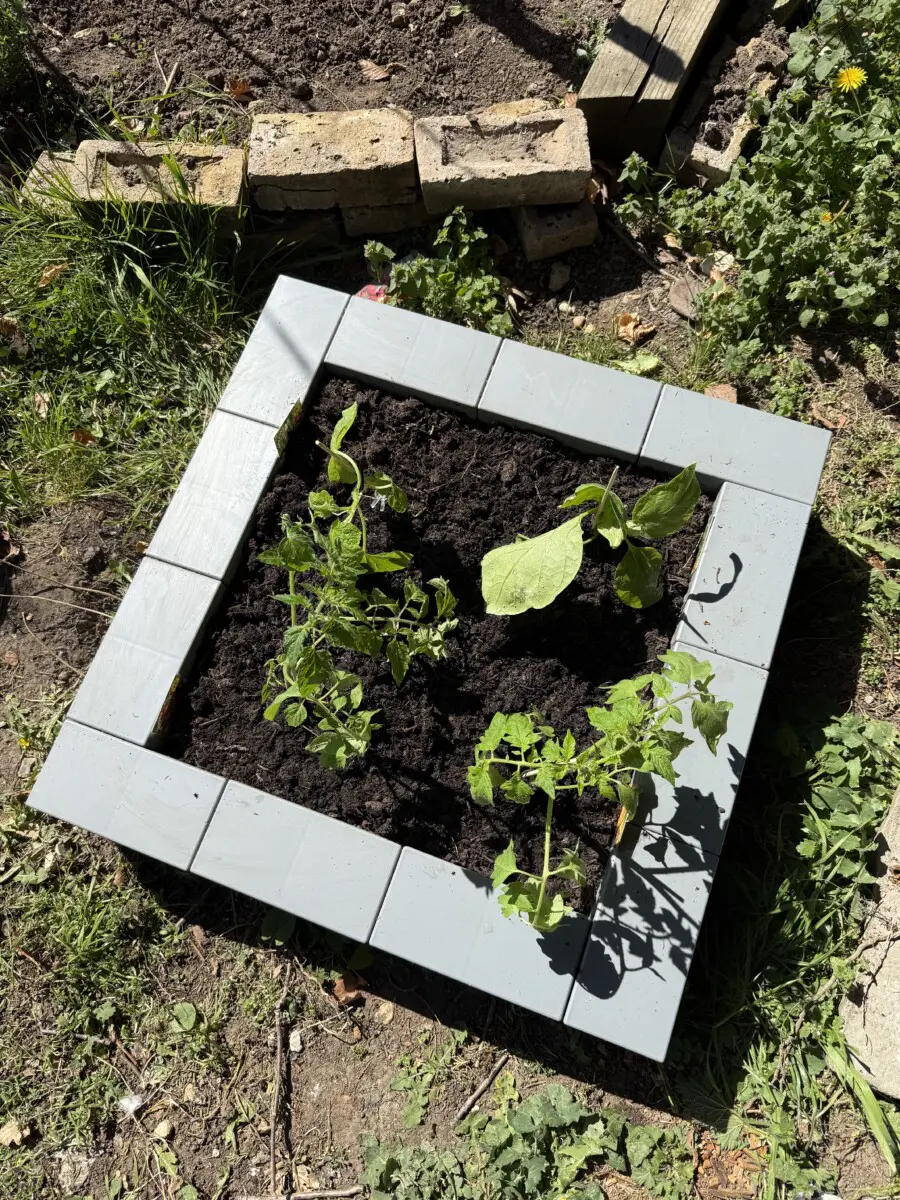
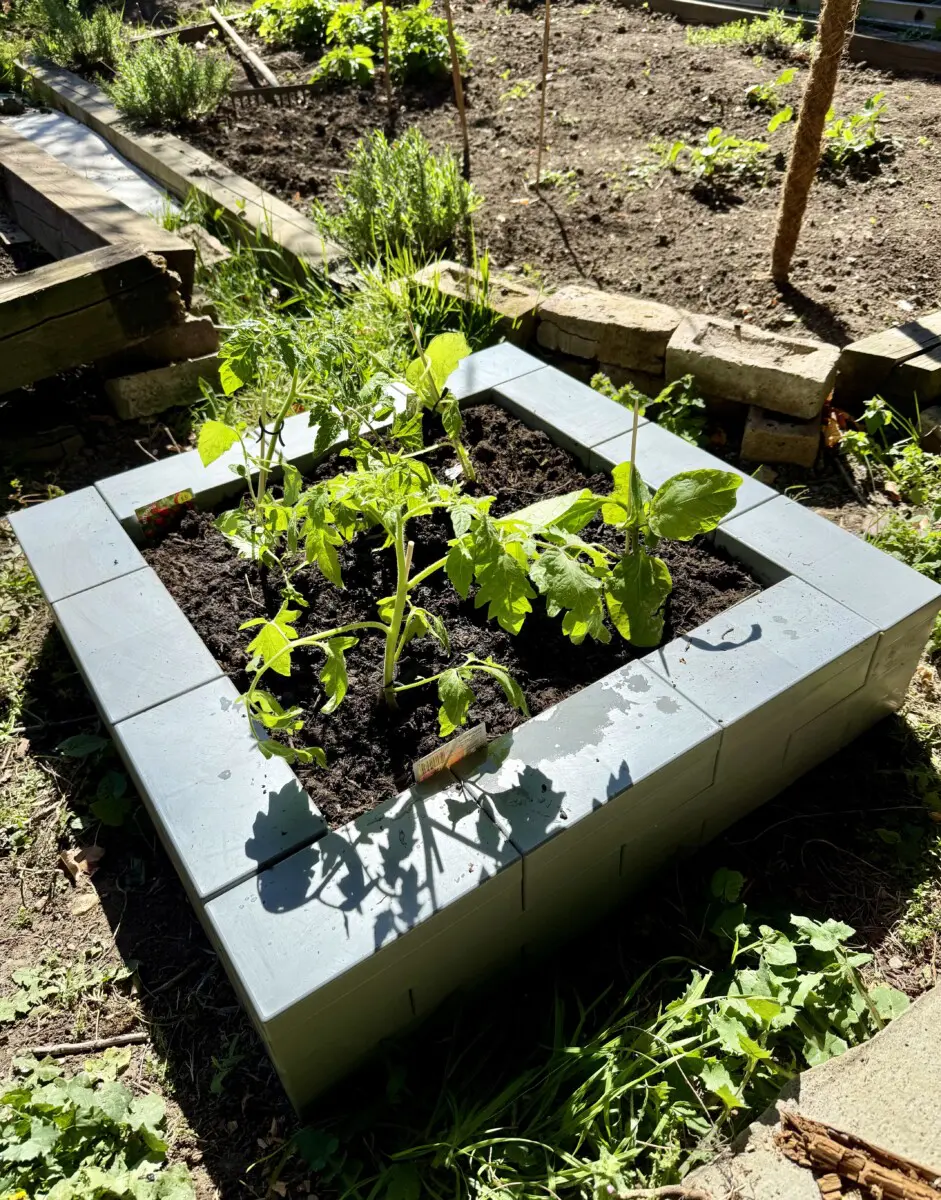
When we moved to our house just over a year ago, it didn’t have anything else in the garden just lawn and an outdoor exercise are (with pull-up bars and things for adults) which we removed and used the wooden pillars to make raised beds with them. I then planted a few different vegetables but only the tomatoes and the strawberries survived the slugmageddon we faced last year and we were not at the slightest prepared for. (This year I already read up on it and thought about environmentally friendly slug protection.) I had further plans with my veggie garden: to maximise space, I wanted more raised beds near the are of the cisterns (we have them for the garden house) because I can’t plant directly into the ground. I got in touch with the company called Ibran, and they kindly sent me a set of their sustainable, recycled plastic poly-bricks raised bed planter kits to test out.
About recycling plastic
The company makes different things from plastic waste, which I am a big supporter of. I always promote reducing plastic and not buying newly manufactured product made from virgin plastic. At the same time I also promote reusing plastic waste, because we need to find ways to keep using the plastic that already exists. We can’t just discard the whole lot into space or burn it. We need to find ways for plastic waste to be recycled safely and give it a new life. Naturally, recycled plastic is not suitable for all walks of life – recently the case of black kitchen spatulas that are made from recycled plastic has been discussed far and wide. I did throw out mines and replaced them with wooden and bamboo ones. However there are many safe ways to use recycled plastic which we should support.
About the PolyBrick Raised Bed Planter Kit
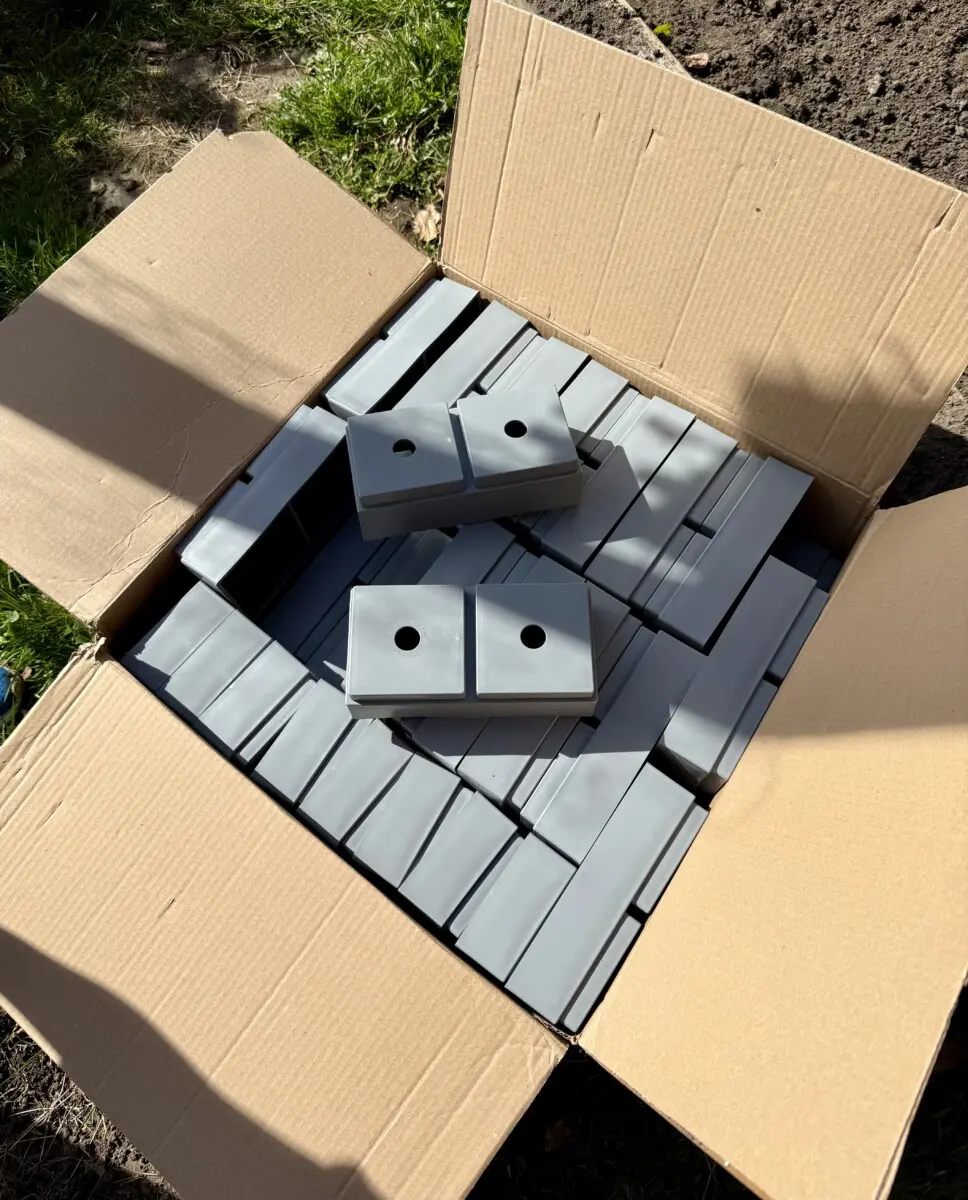
And PolyBricks are one fantastic way to use recycled plastic. They are like giant Lego blocks to build a raised bed with. When assembled, they’ll hold for years and years and, unlike timber or corrugated metal alternatives, won’t rust or decay or leach chemicals into your soil (they are made from toxin-free, 100% recycled polypropylene).
Kits and single blocks are available in a few colours (black, white and grey) so every gardener can design their own garden structure. It helps to maximise garden space and protect your veggies.
What I thought about the PolyBrick Raised Bed Planter Kit
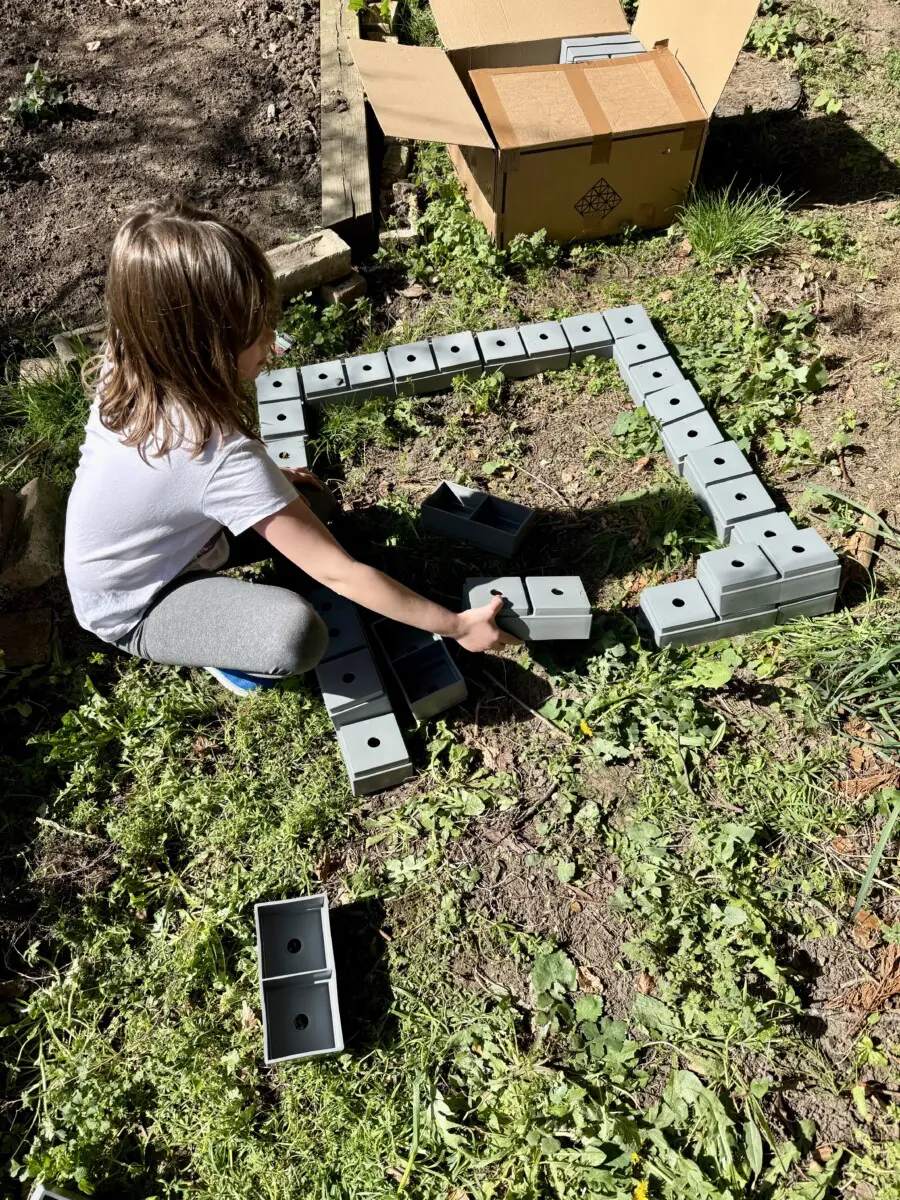
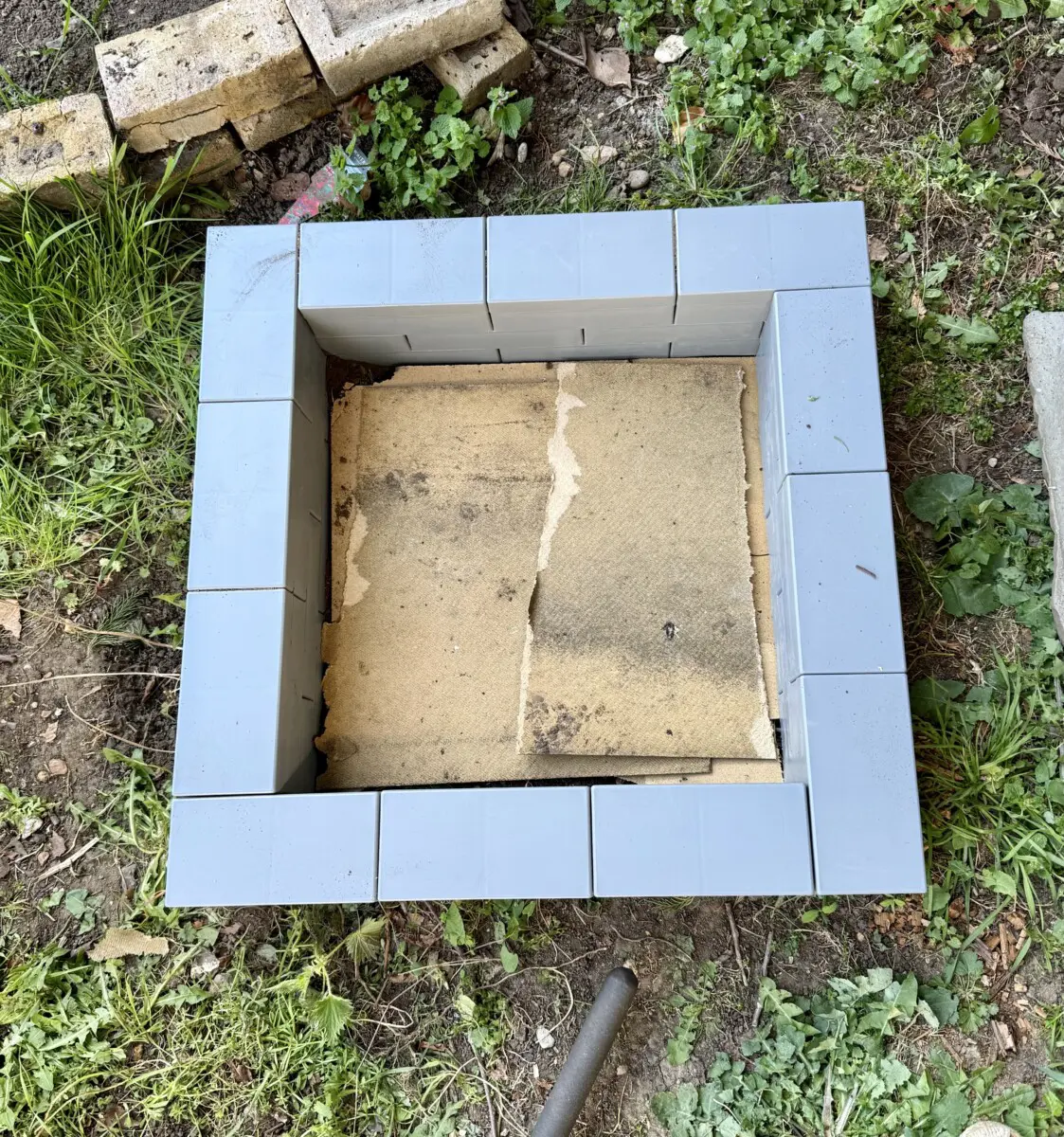
We built it together with the kids – I did think it would be a little easier to put the PolyBrick Raised Bed Planter Kit together, but after 10 minutes struggling with making them click together I discovered the best way to snap them together: just give it a sharp push with my foot and that snaps them together. Separating them is another issue though, as once they built it’s hard to un stuck the bricks. But – that’s actually a good thing because the structure will last and hold together firmly.
All in all, it took probably 25 minutes to build it, so compared to chopping up timber wood and the other alternatives for building a raised bed, this is clearly a lot easier. Perfect too, if you don’t have the skills or the tools to work with timber as well as being timesaving. Bonus, that the children can be involved too.
I’d definitely recommend it.
How to fill a raised bed
Once put together, you can just fill PolyBrick Raised Bed Planter Kit with the usual things when build a raised bed.
Rule of thumb – if the raised bed is about 30cm tall – just use soil. (Or all purpose, peat-free compost). If it’s taller than that, you can layer it.
Bottom layer: weed barrier
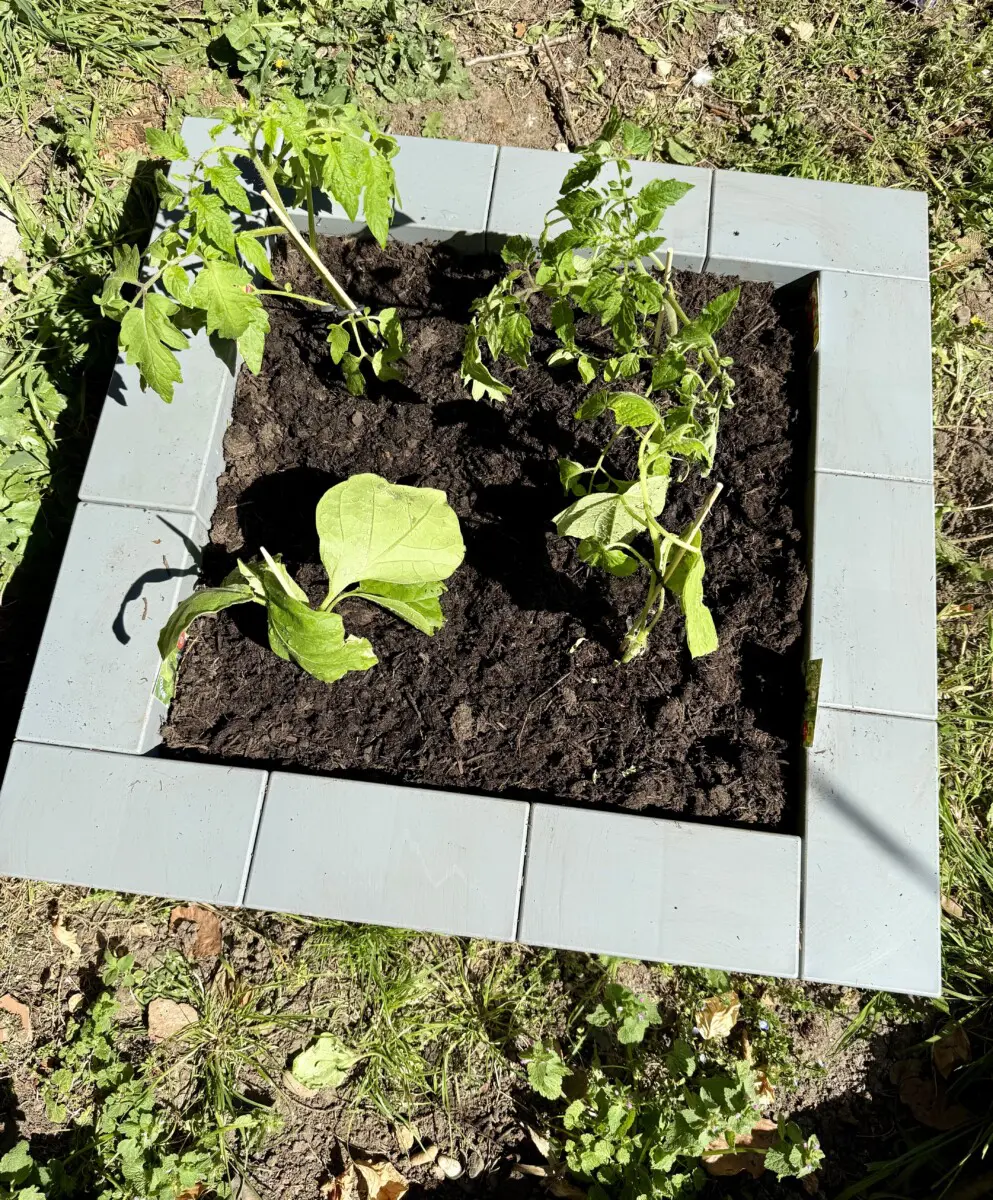
Cardboard or similar to suppress the weeds – we used very old hard board that’s thin enough, because we wanted to sue our new raised bed almost as planter – remember, I mentioned this, it’s close to the cisterns and the soil is not suitable for planting. But a raised bed is fine. Needed to make it deep so the roots can have enough space.
Lasagna method
Then I put a layer of old grass clippings (nitrogen-rich material) then old fallen leaves as we have a lot from our copper beech hedge (carbon-rich material) and homemade compost followed by store bought, peat-free compost.
What to plant in raised beds?
Anything really, your only limit is the space you have. Flowers, vegetables and herbs, you just want to avoid sprawling plants that need more space. You also need to factor in the size of the root, so build your raised bed accordingly. You can also experiment with companion planting: some herbs act as bug repellents and flowers can attract pollinators. Some types of vegetables offer additional nutrients to the soil or can provide shade for the less heat resistant plants.