
Table of Contents
This is a collaborative post.
All home makeovers are thrilling, and expectations are high, yet there are often things overlooked in the process of paint selection, flooring, and plan alterations. Doors and windows are often the last things on the list, even though they are frequently used and visually appealing. Nevertheless, appropriate modifications to these dimensions may also increase home security; their thermal performance and monthly energy consumption can be significantly reduced. The use of advanced glazing systems, composite front doors, and well-insulated frames is a necessary element of a well-implemented restoration rather than an afterthought.
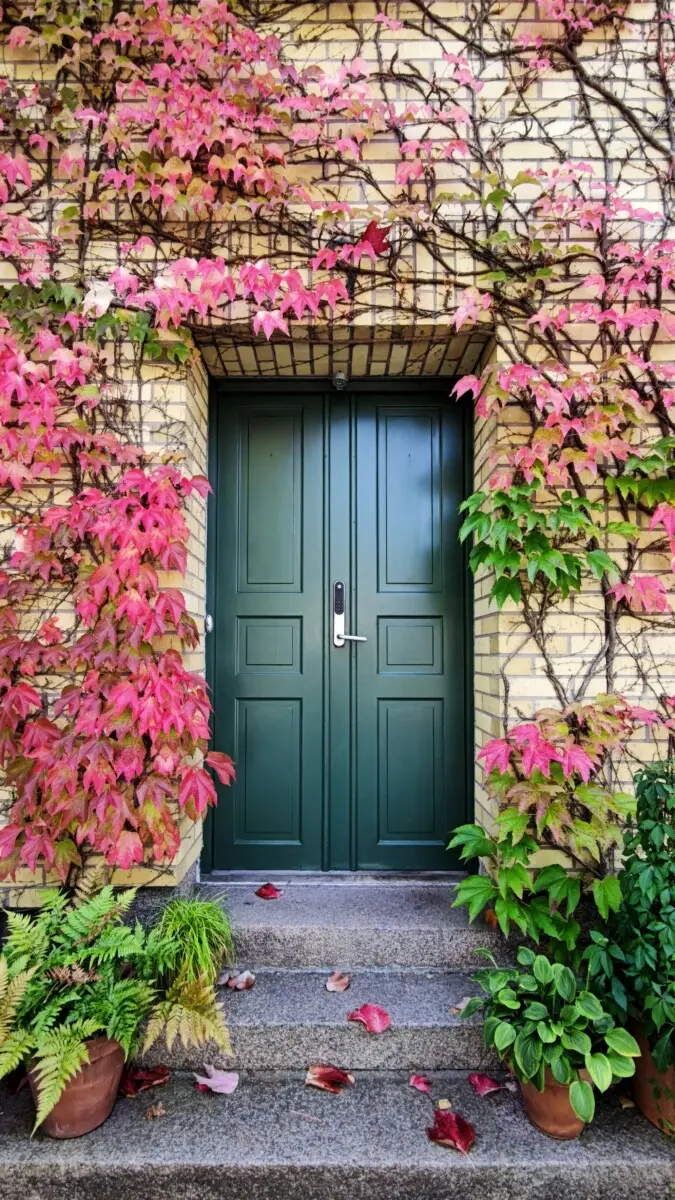
Why Structural Openings Deserve a Starring Role
Walls offer protection, but windows and doors control how the interior and outside interact. The quality and location of these fixtures affect airflow, temperature regulation, light intake, and noise insulation. In addition to compromising comfort, a poorly sealed unit allows draughts to enter, warmth to escape, and costs to rise progressively. Function and form are elevated when these entry locations receive the same level of consideration as bathrooms or kitchens.
Energy Bills Begin at the Threshold
By today’s standards, old windows perform badly, particularly those with warped timber frames or single-pane glass. Without low-emissivity coatings, thermal barriers, or gas-filled cavities, heat loss through glass can be substantial. Doors are subject to the same rule. Over time, energy is lost due to inefficiencies caused by hollow-core alternatives or poorly fitting frames.
A sealed perimeter that holds heat longer and reduces the intrusion of outside temperatures can be created by replacing obsolete units with double- or triple-glazed windows and correctly installed composite front doors. Lower operating expenses and less stress on heating systems result from a more stable indoor climate.
Secure by Design, Not Just by Lock
CCTV and alarm systems are not the beginning of security. Physical deterrents are the first step. Weak materials, antiquated hinge systems, and flimsy locks increase risk. High-performance locking features are combined with durability in modern doors, especially those made of composite materials.
A well-made composite front door has multi-point locking mechanisms by default, is impact-resistant, and won’t distort under pressure or temperature fluctuations. Lockable handles and internal glazing beads make forcible access much more challenging for windows. Setting these upgrades as a top priority throughout a refurbishment not only safeguards assets but also promotes peace of mind.
Visual Impact That Extends Beyond Curb Appeal
Although first impressions are important, modern windows and doors have an impact that goes beyond the front path. From the outside and the inside, a home’s cohesiveness and modernity are influenced by symmetry, proportion, frame colour, and glazing patterns.
A property’s tone can be quickly changed by substituting sleek anthracite-grey frames for worn-out timber sashes, or ornamental alternatives for plain glass. More significantly, well-selected replacements can draw attention to architectural details or harmonise various building components. While outward aesthetics acquire structure and refinement, internal sightlines become clearer.
Light, Sound, and the Feel of a Space
Natural light increases mood, sharpens focus, and lessens the need for artificial illumination. When placed properly, enlarged glazing sections can turn dark hallways or enclosed kitchens into airy, welcoming spaces.
Improved window systems also help with noise management. For residences near roads, schools, or metropolitan areas, acoustic glass or laminated units significantly reduce outside noise. An often-overlooked aspect of domestic comfort is creating a sense of tranquillity through sound insulation.
Ventilation Without Compromise
Trickle-air systems, clever airflow management, and safe night venting are all made possible by modern units without compromising energy efficiency or security. As a result, homeowners can enjoy clean air, which is crucial for maintaining good air quality and avoiding moisture-related problems.
Additionally, strategically placed apertures facilitate passive cooling, reducing the need for mechanical air systems during the hot months. The long-term health of the building is enhanced by controlled ventilation, which also helps create a fresher interior environment.
Longevity and Minimal Maintenance
Time tends to reveal shortcuts. Poor installs or inexpensive fittings frequently deteriorate after a few seasons. Composite doors, on the other hand, are resistant to fading, warping, and dampness. Superior uPVC or aluminium frames don’t need to be treated or repaired every year to maintain their integrity and finish.
Selecting long-lasting parts now lowers maintenance requirements and safeguards future finances. Long-term value is derived from performance consistency across years of weather cycles and daily use rather than just the original cost.
A Renovation That Pays You Back
Rethinking rooms and improving finishes are only two aspects of a well-thought-out makeover. It changes the way a house feels and operates. Stronger insulation, enhanced security, cheaper operating costs, and long-lasting curb appeal are just a few advantages that homeowners can reap by giving windows and doors the attention they deserve early in the building process.
Adding features such as advanced glazing and composite front doors to a restoration project offers far more than aesthetic improvements. It shows a trend toward more resilient, intelligent design decisions.