
Table of Contents
This is a collaborative post.
Outdoor getaways in the UK are challenging, rewarding, and offer a sense of reunion alongside scenic landscapes. The diversity of the UK landscape and activities offers unlimited opportunities for adventure, whether walking along coastal routes, riding forest trails, or going on a sailing boat rental. Nevertheless, this trip should be planned thoroughly to ensure a smooth journey. With proper planning of your schedule, the selection of appropriate equipment, and consideration of the weather, terrain, and group requirements, an ordinary vacation can be turned into an exciting one.
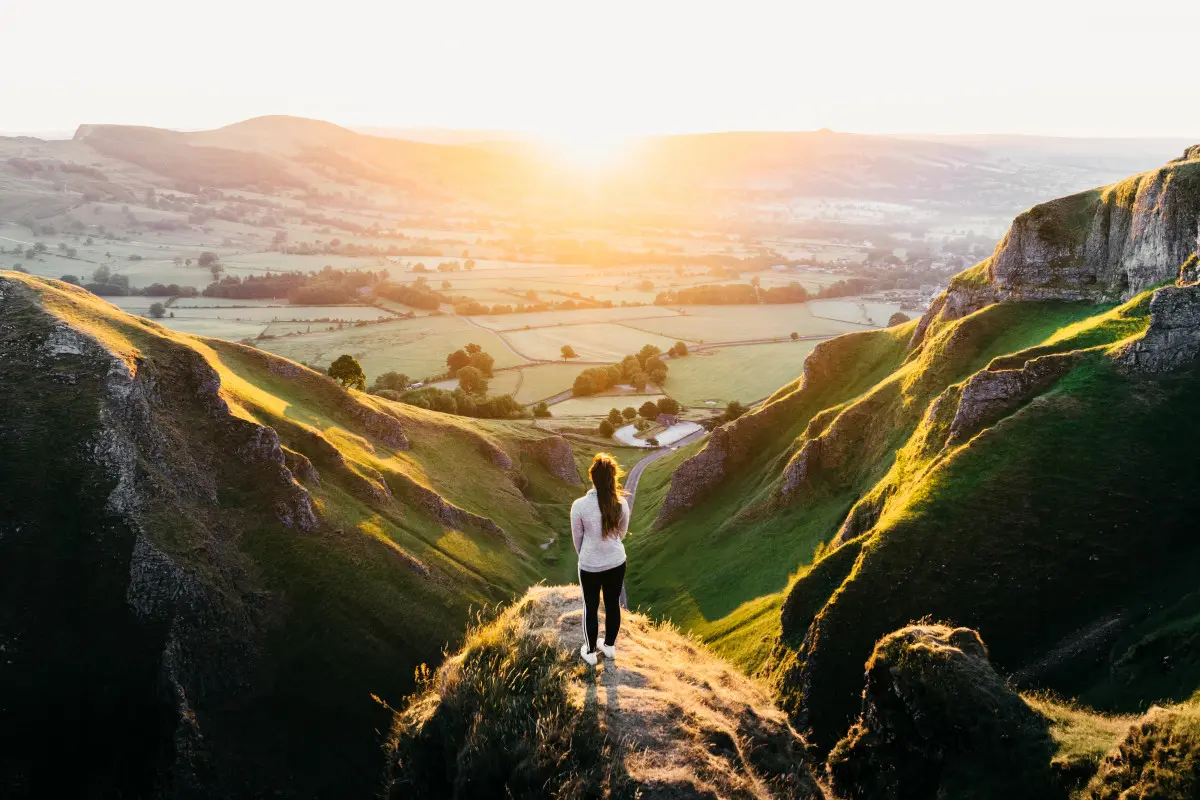
Decide on the Type of Adventure
One of the most important first steps is to decide which type of experience is best for the group or individual. The walks across moors or dales are long-distance, at a steady pace, which some find attractive. There are also those who enjoy adrenaline sports, which include climbing rocky heights or white-water kayaking.
Whereas mountain bikers are interested in rugged uplands with switchbacks and steep drops, those who love the coast might be interested in sea-related recreation such as paddle boarding, cliff diving or a sailing yacht charter in the UK. With activity-specific location customisation, expectations remain reasonable, and safety and fun are kept in mind.
Choose the Ideal Region
Every region, from the windswept bays of Cornwall to the rugged ridgelines of the Cairngorms, has its own unique beauty and challenges. With their lofty peaks and vast vistas, Snowdonia, the Lake District, and the Scottish Highlands are popular destinations for hikers and climbers.
The Solent, the coast of Pembrokeshire, and the Hebridean islands offer accessible routes for hired sailing for those seeking adventures on the water. For those seeking both exploration and retreat, a sailing boat charter offers secluded anchorages, the chance to observe marine life, and the peace of the open sea.
Build a Flexible Yet Structured Plan
Local conditions, fitness levels, and weather can all change rapidly. You may maintain momentum without getting tired by creating a loose framework for your trip with specific objectives and room for detours and rest days.
Draw important locations, routes, and possible campsites or lodgings. Avoid doing strenuous activities back-to-back if the plan calls for long paddles or challenging climbs. In the bush, navigation, packing, and recuperation frequently take longer than anticipated.
Gather the Right Equipment
In outdoor settings, gear can make or break the experience. Waterproof clothing, durable boots, and layered insulation are essential for hill walks and coastal hikes. Helmets, harnesses, ropes, and grippy shoes are a must for climbers.
For cycling adventures, bring repair kits, spare tubes, and hydration packs. Yacht journeys call for deck shoes, compact luggage, and weather-ready apparel. No matter the activity, carry a basic first-aid kit and check that the equipment has been tested or serviced recently.
Prioritise Group Safety and Navigation
There are risks associated with outdoor exploration. A thorough understanding of local hazards, such as rockfall zones, tide patterns, and abrupt temperature drops, ensures risk management. Bring both paper and compass-based navigational aids, and study maps in advance.
Assign responsibilities as needed. Route decisions may be handled by one person, equipment inspections by another, and timekeeping by a third. Resilience in the face of unforeseen circumstances is increased when several people are aware of the entire plan. Everyone stays in sync both before and during the journey thanks to communication.
Budget for Essentials and Contingencies
Although outdoor excursions might appear inexpensive at first, costs mount quickly. Fuel, gear, transportation, and park or conservation area admission costs should all be factored in. The total also includes equipment rentals, guide services, and yacht charters.
Peace of mind is ensured by allowing for delays, weather variations, or emergency supplies. A group’s financial burden can be lessened, and opportunities for better equipment or more engaging routes can be created by sharing expenditures.
Respect Nature and Local Communities
Remote locations are frequently fragile. The scenery and reputation are safeguarded by respecting access rights, minimising noise, and bringing all rubbish home. It is crucial to close gates and stay on designated trails because rural paths cross farms and conservation zones.
Tides change drastically in coastal areas. Habitats can be harmed by off-trail scrambling and beach fires. Except for footprints in snow or sand, leave no trace.
Reflect and Recharge Before Heading Back
The last part of the journey should provide time for introspection. A leisurely stroll in a serene valley, a last night on deck after a boat trip, or a quiet walk down from the mountains allows the mind to process everything encountered.
Equipment is prepared for the next trip by being inspected, cleaned, and stored correctly. Long after everyone has returned home, discussions about special moments or lessons learned enhance the trip’s value.
Turning Exploration into Memory
The most remarkable adventures change the outlook and challenge the body. A walk outdoors has long-term meaning, whether you have rowed a boat through the spray, hiked a granite ridge, or walked the heathered grassland.
With proper planning, an outdoor adventure in the UK may turn into more than just a vacation; it may become a story of exploration. Each way, wave, and climb adds diversity to the story under consideration as long as the correct destination has been selected, logistics are predicted, and uncertainty is embraced.