
Table of Contents
This is a collaborative post.
Some people thrive in the quiet hours of the night, while others feel energised as soon as the sun comes up. But is one lifestyle healthier than the other? Understanding how your natural sleep pattern impacts your health and well-being can provide valuable insight into your daily habits.
Let’s explore the differences between night owls and early risers, their potential health impacts, and practical strategies for adjusting your routine if needed.
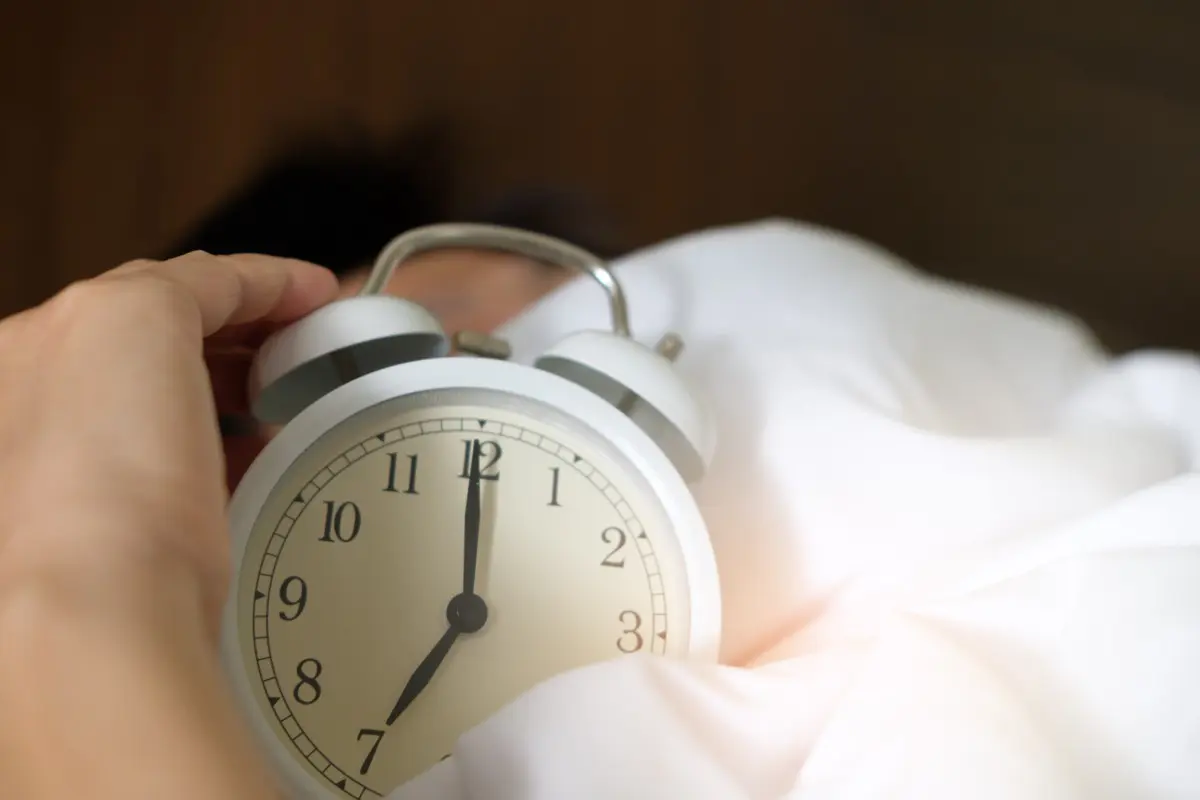
What’s the Difference Between Night Owls and Early Risers?
Chronotypes describe whether you’re naturally inclined to be more active in the morning or evening, and they’re influenced by your internal body clock, or circadian rhythm. Night owls typically feel more productive and alert later in the day, often staying up late into the evening. Early risers, on the other hand, feel most energised in the morning, waking up earlier and winding down as the day progresses.
These patterns influence not just sleep schedules but also daily routines, including eating, working, and exercising. While neither chronotype is inherently better, each comes with its own set of challenges and advantages.
Cognitive Performance: When Are You at Your Best?
Night owls often shine when working on tasks during the evening. Research from Imperial College London found that individuals with evening chronotypes performed 13.5% better on cognitive tests compared to early risers. This suggests that night owls may be more mentally alert and creative during their peak hours.
Early risers, however, benefit from better alignment with societal schedules. The typical 9-to-5 workday or early school start times mean early risers often experience less stress related to adjusting their routines. While night owls may excel at creative or analytical thinking late in the evening, early risers often find it easier to thrive within conventional daily structures.
Health Impacts of Night Owls and Early Risers
Mental Health
Night owls face a higher risk of mental health challenges. A Stanford University study revealed that individuals who stay up late are 20%-40% more likely to experience issues such as anxiety or depression. This misalignment between their internal clock and societal expectations can lead to chronic stress.
By contrast, early risers report better mental well-being, lower rates of depression, and generally more positive moods. Their routines are often better synchronised with natural light cycles and societal demands, which appears to play a role in supporting mental health.
Physical Health
Night owls are also at greater risk for physical health issues. Studies show they’re 46% more likely to develop type 2 diabetes, potentially due to irregular eating patterns, late-night snacking, and disrupted sleep cycles. These habits can interfere with metabolism and long-term health.
Early risers, on the other hand, are more likely to have regular routines that include consistent meal times and exercise. These habits help lower their risk of conditions such as obesity and cardiovascular disease. Their tendency to follow a structured schedule promotes overall better physical health.
How Lifestyle Choices Influence Outcomes
Regardless of whether you’re a night owl or an early riser, lifestyle habits play a significant role in your health. Night owls, for instance, often face challenges such as irregular schedules, higher caloric intake in the evening, and greater consumption of alcohol or nicotine. These behaviours can contribute to poor long-term health outcomes.
Early risers, meanwhile, tend to benefit from structured routines that align with societal expectations. This often includes regular sleep, meal, and exercise schedules, all of which support healthier lifestyles. However, it’s important to note that making intentional changes to daily habits can improve health outcomes for either chronotype.

How to Transition to a Morning Routine
If you’re a night owl but would like to adopt an earlier schedule, making gradual adjustments can help you align better with a morning routine. Here are some practical strategies:
- Shift your sleep schedule slowly. Move your bedtime earlier by 15–30 minutes each night until you reach your desired wake-up time. Gradual changes prevent disruption to your internal clock.
- Expose yourself to morning light. Spend time outside in natural light shortly after waking up, or consider using a light therapy lamp in darker months.
- Set a consistent routine. Stick to the same wake-up and bedtime every day, even on weekends, to help your body adapt.
- Limit evening distractions. Reduce screen time at least an hour before bed, and avoid caffeine, alcohol, or heavy meals late in the evening. Calming activities like reading or meditation can help signal your body that it’s time to wind down.
- Optimise your sleep environment. Keep your bedroom dark, quiet, and cool, and choose a mattress that suits your sleeping position—medium for side sleepers, medium-firm for back sleepers, and firmer for stomach sleepers—for added comfort and support.
Adjusting your routine takes time, so be patient and celebrate small improvements, like waking up slightly earlier or feeling more energised during the day.
Finding What Works for You
Ultimately, whether you’re a night owl or an early riser, understanding your natural sleep preferences is key to building a healthy routine. While early risers may find it easier to stick to structured schedules, night owls can take steps to align their habits with their needs and goals. With the right adjustments, either chronotype can enjoy improved well-being and a more balanced lifestyle.