
Table of Contents
This is a collaborative post.
There’s nothing like a quiet weekend morning that gets interrupted by the sight of a snake coiled near the garden shed. Most people panic. Others reach for a broom or their phone. In Australian suburbs, especially in urban communities near bushland, reptiles showing up in backyards isn’t rare. Knowing how to respond without escalating the situation or getting bitten must be your focus.
Not all reptiles are dangerous, of course. Some are just passing through. Others are just following the scent of food or warmth from a sunlit path. Distinguishing between which one is harmless and which is potentially harmful isn’t something to guess. It’s a skill that takes training and regular exposure, which is why it’s best left to professionals.
One does not need to become an amateur herpetologist. You only need to realize that reptiles are a part of the natural ecosystem, and those that reach areas where they shouldn’t be must be safely relocated. This is also as much for the safety of the animal as you. So the next time you spot a snake or a weird-looking lizard under your garden bench, here’s what to do.
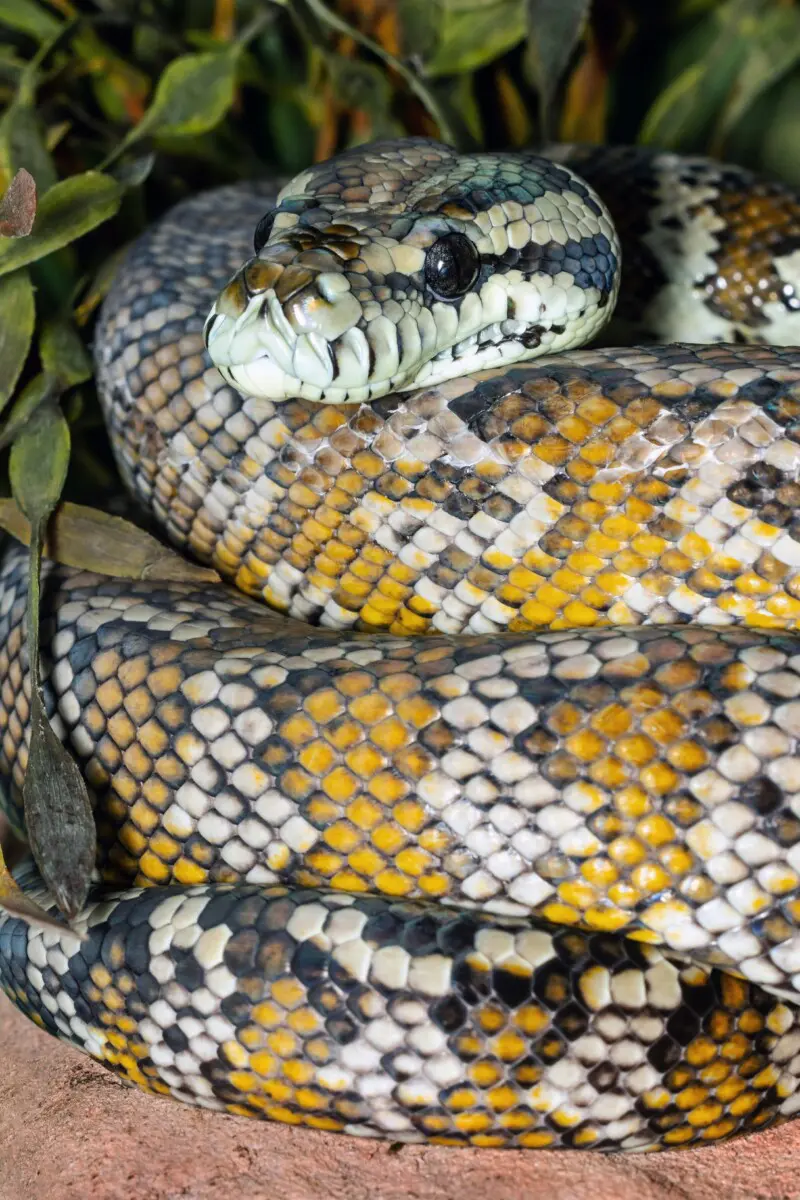
Pause First, Then Assess
The first response should always be to stop. Don’t move toward the animal, even out of curiosity. Sudden movements might stress the reptile or cause it to seek cover somewhere harder to access. You don’t want it to go under a deck or into the home.
Keep pets and kids away. Dogs may instinctively bark, chase, or try to interact with the snake. Cats may observe from a distance, but if they feel playful, it may be hard to stop them from getting close. Both of these scenarios increase the risk of bites, especially from species that see the commotion as a threat.
Stay at a distance, at least three to four meters. That gives you room to observe safely and enough time to back away if needed. From this distance, try to note a few details. Is the reptile moving or coiled? What colour or markings can you see? Where exactly is it located?
What NOT to Do
This can’t be overstated, but do not try to capture, kill, or even poke the animal. Even experienced handlers wear protective gear and use tools when relocating reptiles. Improvising with household objects like rakes or buckets often results in injury to both the human and the animal.
Also, avoid loud noises, water sprays, or smoke. These might drive the snake to hide further or retaliate. Many bites happen because someone underestimated the reptile’s ability to strike quickly.
Call a Local Expert
If you’re in a metro area like Sydney, help is closer than you think. Professional handlers are trained in identifying species, securing them without harm, and relocating them where they won’t pose a risk. A quick search for Snake Catcher Sydney will bring up licensed operators who respond fast, and some even 24/7.
When calling, be ready to describe what you saw and where it is. That helps the catcher prepare with the right tools and approach.
While You Wait, Create a Buffer
You don’t need to trap the reptile. Just keep the area quiet and keep people out. Most reptiles, especially snakes, don’t want conflict. They prefer to avoid interaction and will remain still unless provoked.
To make sure others don’t accidentally walk into the situation, do the following:
- Mark off the area with chairs or garden tools if needed.
- Let other household members know and keep doors closed.
- Keep pets secured inside.
- Tell your neighbor with whom you share a fence about the reptile’s visit so that they can take precautions.
- When the snake remover arrives, give space and let them do their job. They’ll be able to confirm what kind of reptile it is and whether further prevention steps are needed.
Prevention Is the Long Game
Having a reptile handler remove the animal is only one part of the solution. To reduce the chance of repeat visits, make the yard less appealing as a habitat.
Start by cleaning up unused wood piles, sealing gaps under sheds, and trimming vegetation near fences. Don’t leave pet food out overnight, and check for possible entry points into garages or ground-level vents.
Even decorative rock gardens or compost piles can create ideal hiding spots. Consider minor landscaping changes that limit cool, covered spaces. Households in high-risk zones can discourage entry with snake-proof fencing.