
Table of Contents
This is a collaborative post.
Keeping your family safe outdoors starts before you step out the door. Safety is not only about avoiding danger. It is about staying prepared, being aware of surroundings, and responding quickly when something unexpected happens. Whether you are planning a short walk or a full-day hike, the right steps reduce risk and make every trip more enjoyable.
Preparation is the foundation of safety. Every outdoor environment presents its own set of challenges. Some areas have uneven ground. Others include water bodies, steep slopes, or exposure to changing weather. These conditions can become dangerous when families skip planning or ignore safety basics.
The key to outdoor safety is simple. Know where you are going, take the right equipment, agree on a set of rules, and stay connected throughout the trip. These habits not only protect your loved ones. They create a calm, confident mindset that improves every outdoor experience.
Why Safety Outdoors Matters
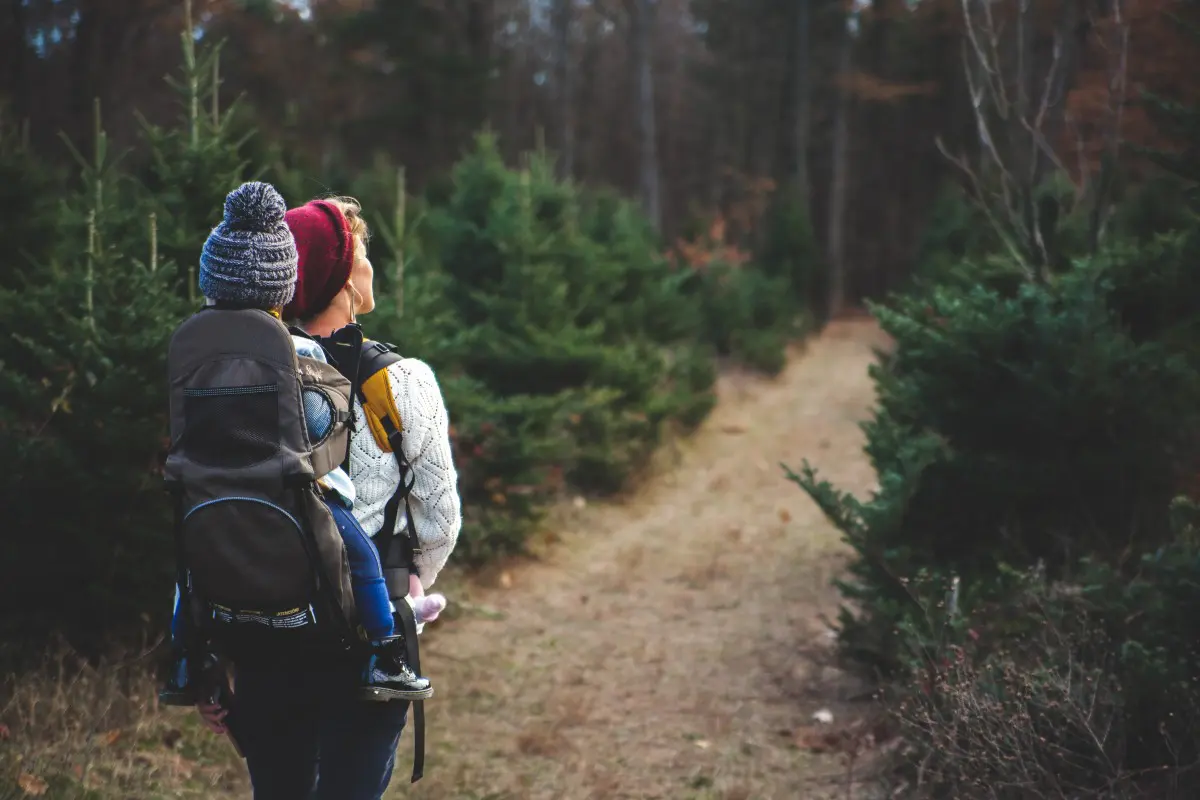
Nature is not a controlled space. There are no walls, no locked doors, and no on-demand help. Because of that, outdoor safety becomes essential for families. Children are still learning to judge risks. Seniors may have slower reflexes. Everyone needs a shared understanding of how to stay safe.
Outdoor trips carry common risks. People trip on rocks, slip on wet paths, or wander too far from the group. Weather can shift in minutes. What begins as a warm, sunny outing can turn into heavy rain, wind, or extreme heat.
By taking safety seriously, families lower stress. Parents worry less when they know each child understands the rules. Children feel more secure when they see adults staying calm and alert. A safe trip builds confidence, teaches responsibility, and turns outdoor time into positive memories.
Recognizing Real Outdoor Risks
Understanding outdoor risks is the first step in managing them. The three most frequent threats are injury, disorientation, and exposure. Injuries often come from falls, insect bites, or collisions with objects. Disorientation happens when someone gets lost or loses sight of the group. Exposure includes sunburn, cold shock, or dehydration.
Children face higher risks than adults. Their smaller bodies lose heat faster. They may not notice warning signs or know when to stop. Without adult supervision, even a short absence can become dangerous.
Environmental threats add another layer of concern. Animals may appear without warning. Insects may hide in grass, leaves, or branches. Unfamiliar people may approach children who seem alone. Visibility drops quickly at dusk or in fog. In such cases, reaction time matters.
Families reduce these threats by recognizing them early and staying alert. Clear communication, assigned roles, and basic gear all contribute to faster responses.
How to Prepare Before You Go?
Create a Simple Safety Plan
A good safety plan includes clear roles and steps for different situations. Choose a lead adult for navigation, someone to carry first aid supplies, and another to track younger children’s. Agree on rules like staying within sight, checking in at regular intervals, and what to do if someone gets separated.
Make sure everyone knows the emergency contacts and how to use a whistle or signal. Mark meeting points on a physical map or a phone. If a group member is lost, everyone should know where to go and who to alert.
Pack the Right Essentials
Every person should carry their own small pack. Include a bottle of water, a flashlight, an ID card, a whistle, and a healthy snack. For longer trips, add sunscreen, insect repellent, a lightweight rain jacket, and a power bank.
Parents or group leaders should carry a first aid kit, extra water, a multi-tool, and emergency blankets.
Use Location Tracking Tools
In open areas or unfamiliar paths, location tracking becomes critical. GPS tracking devices give real-time updates on each family member’s position. These devices help locate someone who strays from the group. They also reduce the time spent searching or worrying.
Families with young children, elderly members, or large groups benefit most from real-time tracking. Even a short delay in finding someone can lead to unnecessary risk or panic.
Check Weather and Terrain Ahead of Time
Always check the weather before leaving. Look for temperature changes, storm warnings, wind speed, or air quality alerts. Bring appropriate clothing and prepare for sudden changes. Terrain matters just as much. Steep slopes, loose gravel, or water crossings affect how you plan and move.
Research the area. Read recent reviews or trail reports. Know whether the path has phone signal coverage or access to help. Avoid areas that have reported flooding, landslides, or wildlife sightings.
How to Dress for Outdoor Safety?
Dress in layers so you can adjust to temperature shifts without delay. Start with a moisture-wicking base layer to keep sweat off your skin. Add a warm middle layer and a windproof or waterproof outer layer depending on the weather.
Use bright or reflective clothing to stay visible. This is important on trails, near roads, or in crowded areas. Visibility helps others find you in case of separation.
Footwear must match the activity. Use closed-toe shoes with strong grip and ankle support for hiking. Choose breathable shoes for dry weather and waterproof ones when rain is expected. Avoid sandals or flat shoes during rough walks.
Helmets are required for biking or climbing. Gloves reduce scrapes and improve grip. Knee pads and elbow pads help in activities that involve falls or sharp surfaces.
Safety Rules by Activity
Hiking
Stick to marked trails. Avoid shortcuts or off-path exploring unless you know the area well. Rest every hour, drink water often, and stay together. Children should walk with an adult or in pairs.
Teach them to recognize trail markers and follow signs. Instruct everyone to stop at every junction until the whole group arrives.
Camping
Choose a campsite on level ground. Avoid low areas that may flood or attract animals. Keep food in sealed containers away from sleeping areas. Set up tents with enough space between them for movement and safety.
Campfires must stay small and supervised. Never leave a fire burning without someone nearby. Clean up tools and keep sharp objects in one safe place.
Biking
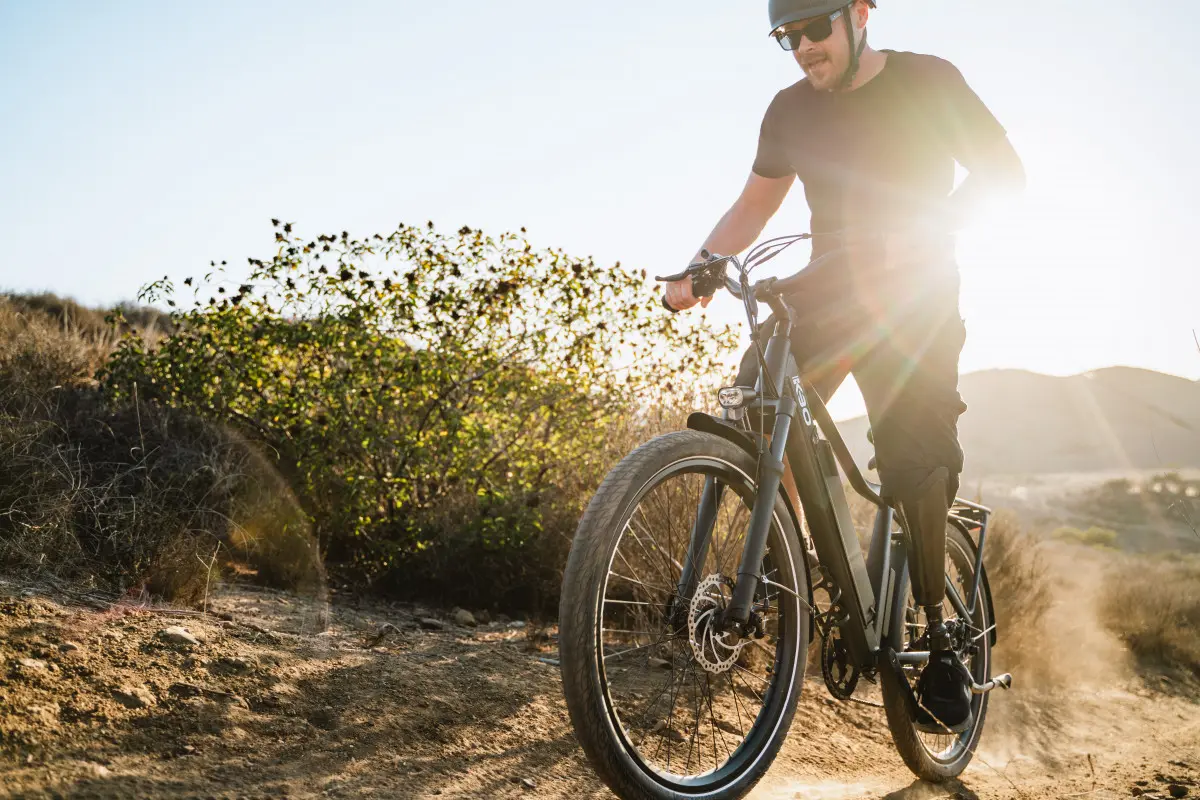
Before starting, check every bike. Confirm that brakes, tires, and reflectors work. Everyone must wear a helmet. Ride in designated lanes or trails, not in traffic or unknown areas.
Carry a repair kit, a phone holder, and water. Adults should ride behind children to keep them in view.
Swimming
Stay within marked swim zones. Always supervise children near water even if they know how to swim. Use life jackets in rivers, lakes, or oceans. Avoid swimming in areas with unclear depth or strong currents.
Before entering the water, test the surface for rocks or drop-offs. Watch for signs of tiredness or cramping and exit early if needed.
Stay Safe with Simple Habits
The habits that prevent most outdoor problems are easy to build. Check gear before each trip. Review the plan together. Keep the group close and communicate often.
Teach children how to respond calmly if they get lost. Show them how to use a whistle, follow trail signs, or return to the last known meeting point. Practice a signal system for quick attention. Use short calls, hand signs, or colored flags depending on the setting. Encourage curiosity and fun, but always link it to awareness. Nature offers freedom, but safety gives you the ability to enjoy it fully.
Outdoor Safety is Not Complicated, But it Is Essential
Outdoor safety is not complicated, but it is essential. The steps are simple. Plan ahead, carry the right gear, set clear rules, and stay connected. These habits reduce risk and create a sense of calm for the entire group.
Families that take safety seriously move more confidently through nature. Children feel secure. Adults feel prepared. Everyone enjoys more and worries less.
Each safe outing builds habits that last a lifetime. Preparation turns into instinct. Awareness becomes second nature. With every trip, safety becomes part of the journey, not just a checklist before it begins.