
Table of Contents
An inflatable kayak for families asks very little of you before the water even comes into view. No roof rack, no trailer, no specialist vehicle. Just a bag in the boot, a pump, and a stretch of calm water waiting somewhere in the UK. For parents trying to spend weekends more intentionally, that simplicity matters. What follows is practical guidance on why this kind of paddling suits a low-impact family life, where to go first, what to bring, and where the honest limits lie.
Why inflatable kayaks suit a low-impact family lifestyle
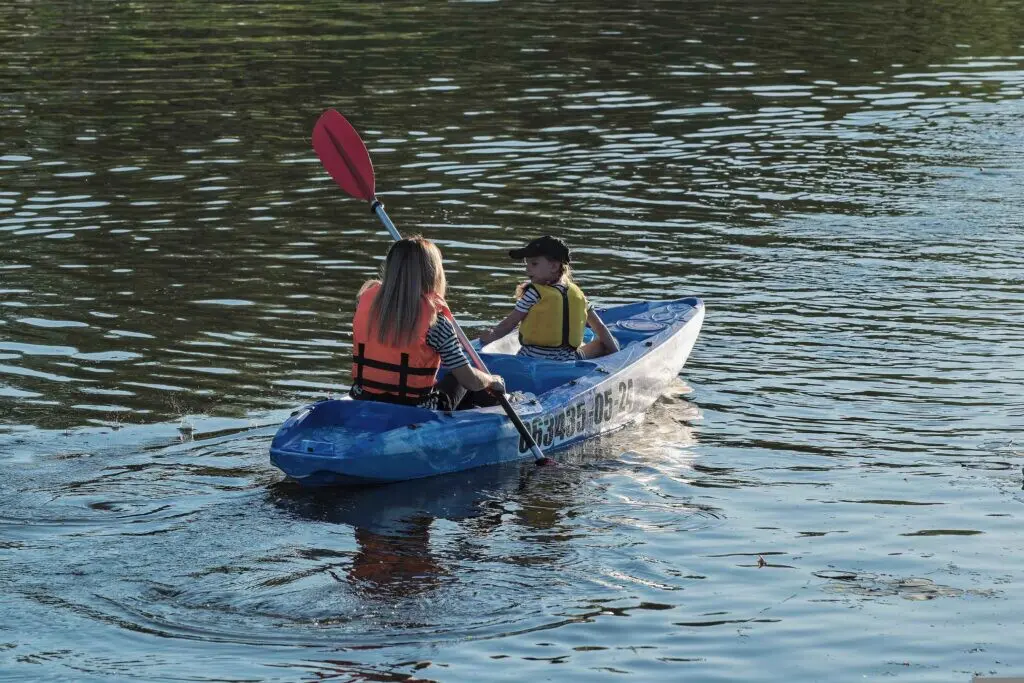
Between trips, the whole setup lives in a cupboard. No storage fees, no garage space sacrificed, no equipment dominating the hallway. When the weekend arrives, it comes out, inflates in roughly ten minutes, and fits two adults and a child without fuss. On the water, the environmental footprint is zero. No engine, no fuel, no noise disturbing the reed beds. Sustainability here is not a marketing claim but a straightforward consequence of how the thing works. Paddle power only. The water stays undisturbed, and so does everything living in it. Families who care about making lower-impact choices will find this an easy fit. The kit itself lasts years with basic care, which matters more than any single eco-credential. Buying less, using longer, storing small: that is the practical version of sustainable outdoor gear. If you want a second opinion before buying, Vildmark has an independent Razor Kayaks review of the Edge Pro 1.
Connecting children with nature through paddling
Something shifts when a child is sitting six inches above the water rather than walking a path three metres from the bank. A heron stands motionless in the shallows and the kayak drifts close enough to see the yellow of its eye. Light moves across the surface in a way that is genuinely difficult to describe to someone who has not sat still on sheltered water long enough to notice it. Screen-free time outdoors has a different quality when there is also something to do with your hands and somewhere to go. Paddling gives children a task, a direction, a small sense of agency. The Lake District offers exactly the kind of quiet, enclosed water where this works best: Derwentwater on a still morning, mist still sitting in the fells, the only sounds the dip of paddles and a distant sheep. Nature does not require a commentary. Children find things themselves when they are close enough and quiet enough to look.
UK destinations for first family paddles
Choosing the right water matters more than any piece of kit. For a first outing, the goal is calm, sheltered water with easy launch points and no tidal complications. Coniston Water in the Lake District is a reliable choice: long, relatively narrow, and protected from the worst of the wind by the surrounding fells. Derwentwater, also in the Lake District, offers multiple launch points and the kind of scenery that makes even a short paddle feel like a proper day out. Loch Morlich in the Cairngorms sits inside a national park with a sandy beach launch that makes getting on the water straightforward for families with young children. The Helford River in Cornwall, on a quiet midweek morning before the sailing traffic builds, has an atmosphere entirely its own. For families considering a longer stay near the water, lakeside accommodation in the Lake District puts excellent paddling on the doorstep and suits an unhurried approach to outdoor family time. For UK families researching which kayak handles these conditions well, Razor Kayaks designs specifically for British waters, where wind and chop can arrive quickly even on inland lakes.
The kit conversation: what families need for a safe and easy trip
Keep this list short. The families who enjoy paddling most are the ones who did not overpack. A buoyancy aid for every person on the water, sized by weight rather than age for children. This is not optional and not negotiable. A child’s buoyancy aid bought to fit a ten-year-old may not work correctly on a seven-year-old of the same height. Check the weight range on the label. One shared dry bag handles phones, keys, a spare layer, and snacks. Everything else can stay in the car. A pump that does not require twenty minutes of effort makes the whole morning feel lighter (hand pumps with a pressure gauge are worth the small extra cost). That is genuinely all that fits comfortably in a family boot alongside the deflated kayak and a picnic bag. Dress for the water temperature, not the air temperature. On a bright April morning in the Lake District, the water is cold enough to matter if someone goes in. When choosing a model, specialist British brands such as Razor Kayaks design for inland-water conditions in particular, which tends to mean steadier tracking when a breeze picks up and a less fussy pump routine for parents who would rather be on the water than next to it.
Inflatable kayak for families: honest limits and what to avoid
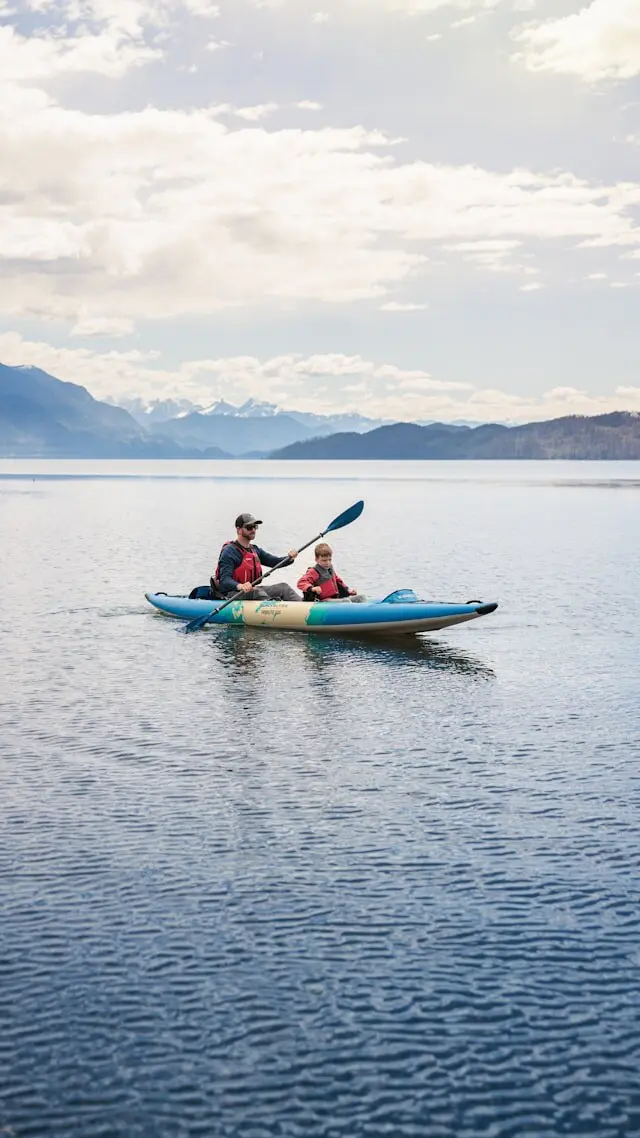
This kind of kayak is not the right tool for every situation. Tidal estuaries change fast and punish misjudgement. Surf beaches are not appropriate for this kind of craft. Fast-moving rivers require skills and experience that take time to build properly. Calm, sheltered water is where this works. Check the forecast the evening before and again on the morning. Wind matters more than rain. A light drizzle on Coniston is perfectly manageable; a force four wind turning the surface choppy is a reason to postpone and find a café instead. Respecting those limits is part of the low-impact philosophy: the water will be there next weekend. One honest downside worth naming: inflation takes time and effort, and with young children who are already excited and impatient, that ten minutes can feel longer than it is. Having a routine helps. Assign jobs. It becomes part of the trip rather than a delay.
A new family rhythm: more nature, less screen time
After a few outings, something shifts in how weekends feel. The question stops being “what shall we do?” and becomes “which water this time?” That is a small but real change in a family’s relationship with the outdoors. Regular paddling does not require a grand commitment to lifestyle change. It just requires a cupboard with a bag in it and a willingness to leave the house. The screen-free hours accumulate without anyone making a point of it. Children start noticing weather, tides, seasons. They begin to have opinions about which lake they prefer. For families looking to spend more time in nature without complicated logistics or significant expense, this kind of paddling remains one of the most practical answers available. Pack it, go, come home tired in the best way.