
Table of Contents
This is a collaborative post.
If you wish there were more hours in the day, using automation around your home can help. After you’ve set it up, you can use voice commands to run all kinds of home tasks from entertainment to help with remote work.
There are lots of ways to automate your home. If you’re just getting started with home automation, there are a few easy places to start.
What is home automation?
Home automation is revolutionizing the way we interact with our living spaces, making them smarter, ultimately more efficient, and incredibly convenient. The concept involves the integration of technology into home systems, enabling users to control everything from lighting and heating to security and entertainment through smart devices and applications.
At its core, home automation aims to enhance both comfort and energy efficiency. Imagine arriving home after a long day and having your house automatically adjust the thermostat to your desired temperature while the lights gently illuminate your path. These systems can learn your preferences and routines, thereby adjusting settings accordingly and helping to save energy in the process.
Safety and security are also paramount in home automation. Modern systems often include smart cameras, motion sensors, and automated door locks that can be monitored and controlled remotely. This provides homeowners with peace of mind, knowing they can keep an eye on their property from anywhere in the world. Alerts can be sent directly to your phone, keeping you informed of any unusual activity.
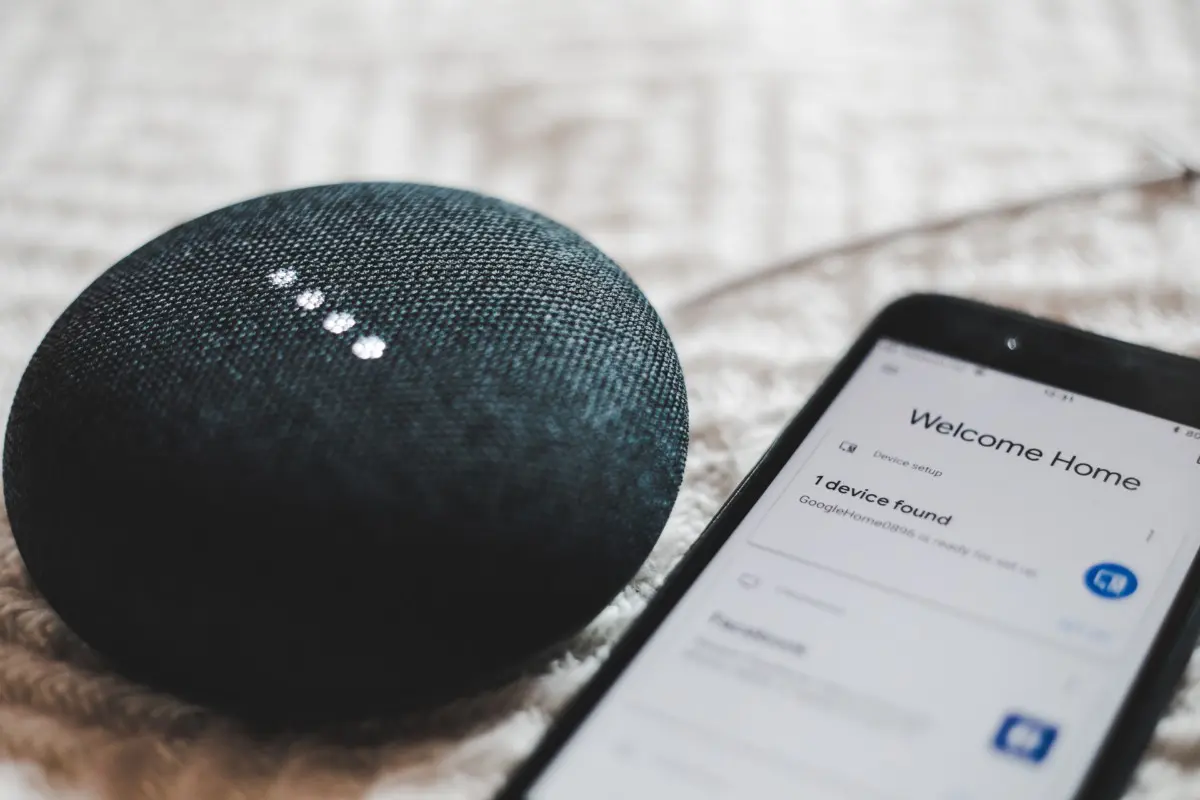
Furthermore, home automation enables integration with voice assistants like [item], allowing you to control your home simply by speaking commands. This hands-free approach adds another layer of convenience, especially when your hands are full or when you want to create a specific ambiance with just your voice.
The scalability of home automation is another appealing aspect. Whether you are starting with a single smart light bulb or planning a comprehensive automated system for a newly built home, there is flexibility in how you can implement the technology. Many devices and systems are now designed to work harmoniously, regardless of the brand, providing a cohesive smart home experience.
While the initial investment in smart home technology can vary, the long-term benefits, including energy savings and increased property value, often outweigh the costs. Many homeowners find that the increased convenience and enhanced quality of life makes home automation a worthwhile investment.
As technology continues to evolve, the possibilities for home automation will expand. From energy management solutions to advanced security features, the future of home automation promises to make our living environments not just smarter, but also more engaged and responsive to our needs.
For your first device, there are a few things to consider.
- Cost. There are smart devices for almost any budget.
- Setup. Start with intuitive devices before buying more complex devices to set up.
- Lifestyle. Choose a device that fits your lifestyle.
- Research. Read reviews and buyer’s guides before you buy.
For your first smart home device, there are a few good choices to start you on the automation journey.
Smart Speaker
A smart speaker is an easy way to start automating at home. These speakers work with voice commands and can be used to play music and podcasts, set timers, and control other smart devices.
Smart Lightbulb
Smart lightbulbs are a cheap place to start. You can use voice commands to turn lights on and off, dim lights or schedule lights to come on while you’re away. Pair bulbs with your smart speaker to turn lights down at bedtime, or your garage door opener so your lights come on when you get home.
Smart Plug
Smart plugs are an affordable option. They’re also very easy to use and can be used with almost any appliance to turn it into a smart device. You can set timers and schedule lights. Pair them with smart speakers to control lamps, or fans, for example.
Smart Thermostat
A smart thermostat is a great way to make your home more energy-efficient while also making it more comfortable for you. You can set it to adjust the temperature when you’re asleep or away to save money. Some of the more advanced smart thermostats will learn your preferred temperature and program themselves. You could pair this with smart plugs to work alongside fans, temperature sensors to monitor different rooms, or smoke detectors to disable equipment in an emergency.
Video Doorbell
Video doorbells work like security cameras for your front porch. Using the doorbell, you can see and speak to anyone who comes to the door without having to open it. This is great for directing delivery drivers even if you’re not at home, preventing delivery theft, and choosing when you want to answer the door. Pair your doorbell with a smart lock to give access to friends and family, smart lighting to welcome you home, or a smart display to monitor your front porch.
Smart Lock
Use a smart lock to arm or disarm your home security system, track when people come in and out, and do away with the hidden spare key. Remotely unlock the door when your hands are full. Pair your smart lock with a garage door opener to lock the door when you head out, smart lighting to turn on when you’re away, or your security system to disarm when you come home.